Lately, it seems like more and more posts about applying for a master’s degree in Spain are popping up on the forum. I’ve noticed many of you are confused about the process and the different concepts involved. As someone who has just gone through this journey, I’m starting this thread to share the pitfalls I encountered and the lessons I learned during my DIY application. I hope it can help those of you who are feeling lost!
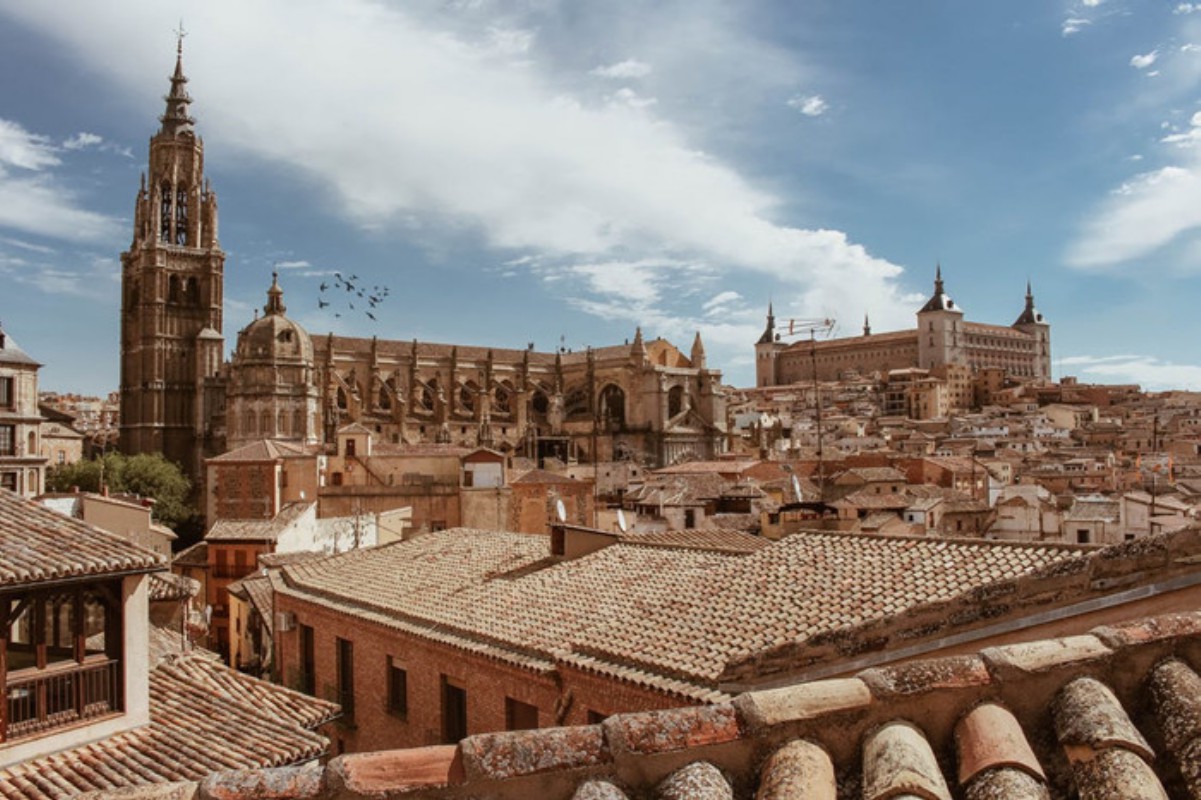
So, why choose Spain for a master’s degree? For me, the reason was simple: it’s incredibly cost-effective! Compared to the hefty tuition fees in the UK or the US, which can run into tens of thousands of euros, master’s programs at Spanish public universities are much more affordable. Plus, studying here for a Master’s at the University of the Basque Country isn’t just about gaining professional knowledge; you also get to polish your Spanish skills to fluency while enjoying the Mediterranean sun and cuisine—it’s an amazing experience. And don’t think it’s all parties and no study here, the academic standards at top Spanish universities are excellent!
Official Master’s vs. University-Specific Master’s: Don’t Get Confused!
This is the point that confuses most people and one of the most critical decisions in the application process, especially when considering Spanish university master’s scholarships. To put it simply, an official master’s (máster oficial) is accredited by the Spanish Ministry of Education, recognized across Europe, and also accepted by the Ministry of Education in China. In contrast, a university-specific master’s (máster propio) is created by the university itself and is more focused on practical skills and employment. I’ve made a simple table to make it crystal clear:
| Type | Accreditation | Primary Focus |
|---|
| Official Master’s | Recognized across Europe & by China’s Ministry of Education | PhD studies, academic research, civil service exams |
| University-Specific Master’s | Certified only by the university or partner institutions | Fast track to employment, specific skill training |
In a nutshell: If you plan to pursue further studies (like a PhD) or aim for a civil service career back home, an official master’s is your best bet. However, if your goal is to find a job in Spain after completing your master’s programs at Spanish public universities, or if you’re drawn to a specific practical program at a particular school, a university-specific master’s is also a great option.
Application Timeline and Materials
Applications for master’s programs in Spain generally open at the beginning of the year. The deadlines vary by university and program, usually running until June or July, with some even having late admission rounds in September. But remember, for top universities and popular programs, you must apply in the first round! As for the materials, the core documents are your university diploma, degree certificate, academic transcript, a certificate of eligibility for postgraduate studies, language proficiency certificate, letter of motivation, CV, and letters of recommendation. Preparing these documents is a meticulous process, so don’t leave it to the last minute.
Finally, let’s talk about costs. Tuition for an official master’s at a public university typically ranges from €1,000 to €4,000 per year, depending heavily on the region and the program. For living expenses, a monthly budget of €800-€1,000 is standard for big cities like Madrid and Barcelona, while it’s considerably cheaper in smaller cities. Overall, budgeting around €12,000 to €18,000 (roughly 100,000-150,000 RMB) for the year is a safe bet. I hope this information is helpful! If you have any questions, feel free to ask in the comments below, and let’s discuss!
