I recently discovered ‘The Manuscript Found in Saragossa’ at a used bookstore, and after finishing it, I felt compelled to share my thoughts on the forum. Although the author, Jan Potocki, was Polish, the story is set in 18th-century Spain, particularly in the Saragossa region, making it valuable for understanding [The Manuscript Found in Saragossa] and exploring The Manuscript Found in Saragossa as well as the Iberian Peninsula’s culture during that era.
Unique Narrative Structure
What captivates me most about this book is its nested narrative structure. Simply put, it’s a story within a story, reminiscent of ‘One Thousand and One Nights.’ The protagonist, Alphonse, encounters various characters during his journey, each recounting their own experiences, which in turn contain other people’s stories. As you progress, you’ll discover that these seemingly independent tales are subtly interconnected.
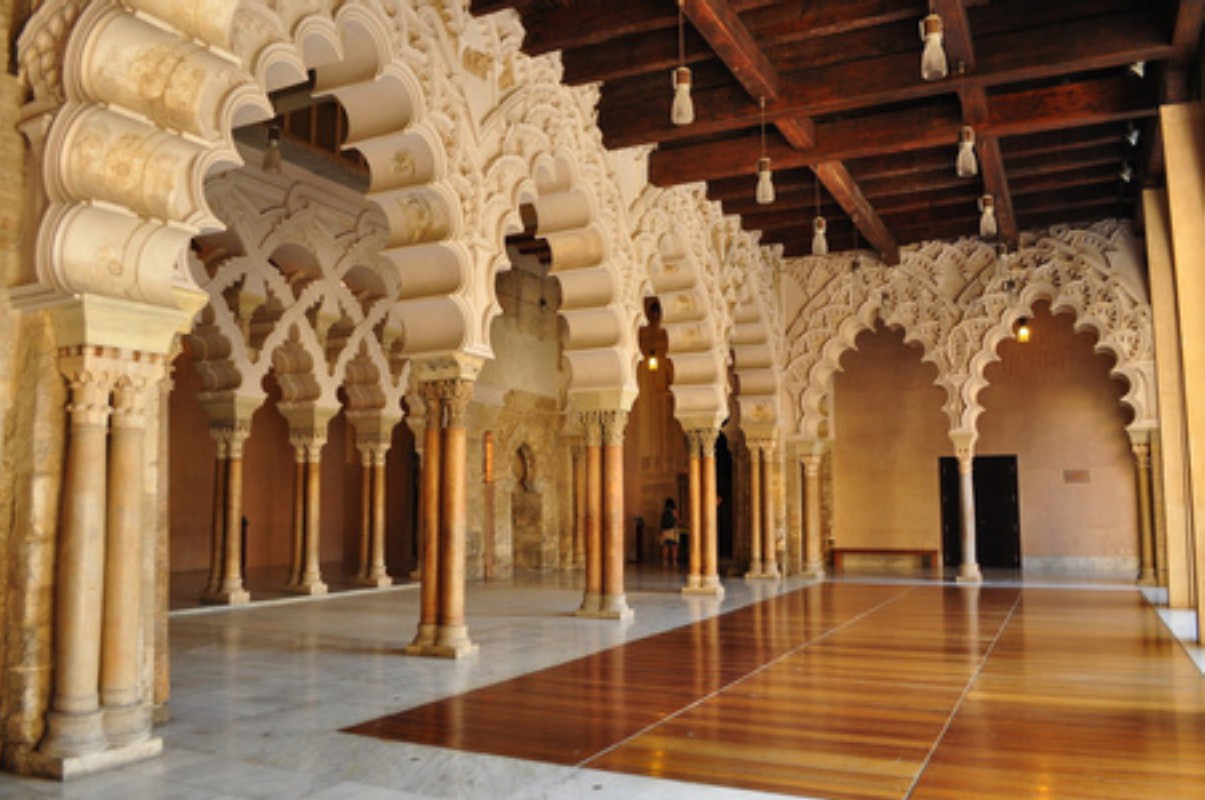
Admittedly, it’s a bit disorienting at first, requiring focused attention to follow the rhythm. However, once you get into the flow, you’ll be deeply drawn to this progressively layered narrative approach. Potocki masterfully blends Gothic horror, romantic adventure, philosophical contemplation, and other diverse elements, with each story featuring different styles and themes.
Literary Value Analysis
From a literary perspective, ‘The Manuscript Found in Saragossa’ is undoubtedly an underrated masterpiece. Here are some core characteristics I’ve identified:
| Feature | Specific Manifestation |
|---|
| Narrative Technique | Multi-layered nested structure challenging reader memory |
| Cultural Fusion | Interweaving of Spanish, Arabic, and Jewish cultures |
| Thematic Depth | Explores identity, religious conflict, reason versus superstition |
| Historical Value | Reflects 18th-century European Enlightenment thought |
Potocki himself was a fascinating figure—an aristocrat who traveled extensively across Europe and North Africa, fluent in multiple languages. These experiences are reflected in the work, with remarkably nuanced depictions of Spanish customs and landscapes. While some aspects of The Manuscript Found in Saragossa carry an element of exotic imagination, the overall atmosphere is convincingly rendered.
Reading Recommendations
If you’re planning to read this book, I have several suggestions:
Don’t expect fast-paced plot development. This is a work meant to be savored slowly, best enjoyed in a quiet environment. Secondly, keep paper and pen handy to track character relationships, as there are numerous characters who can easily be confused. Finally, choose a high-quality translation, as the original text is highly literary, and translation quality directly impacts the reading experience.
Some readers might find the religious discussions somewhat tedious, but these sections are actually the essence of the work. Through dialogues between different characters, Potocki showcases Enlightenment-era European intellectuals’ reflections on faith, reason, and science. These discussions remain relevant today.
Conclusion
‘The Manuscript Found in Saragossa’ is a work worth investing time in. It’s not light entertainment, but if you’re interested in literature, history, or philosophy, this book won’t disappoint. For those living in Spain, if you want to understand this land’s historical culture from a different perspective, I highly recommend giving this book a try. Has anyone else on the forum read it? I welcome discussion and exchange of views!
