While organizing my bookshelf recently, I came across a copy of ‘The Manuscript Found in Saragossa’ and felt compelled to discuss this remarkable work. Written by Polish nobleman Jan Potocki between 1804 and 1815, this book remains captivating despite its age.
Background of the Work
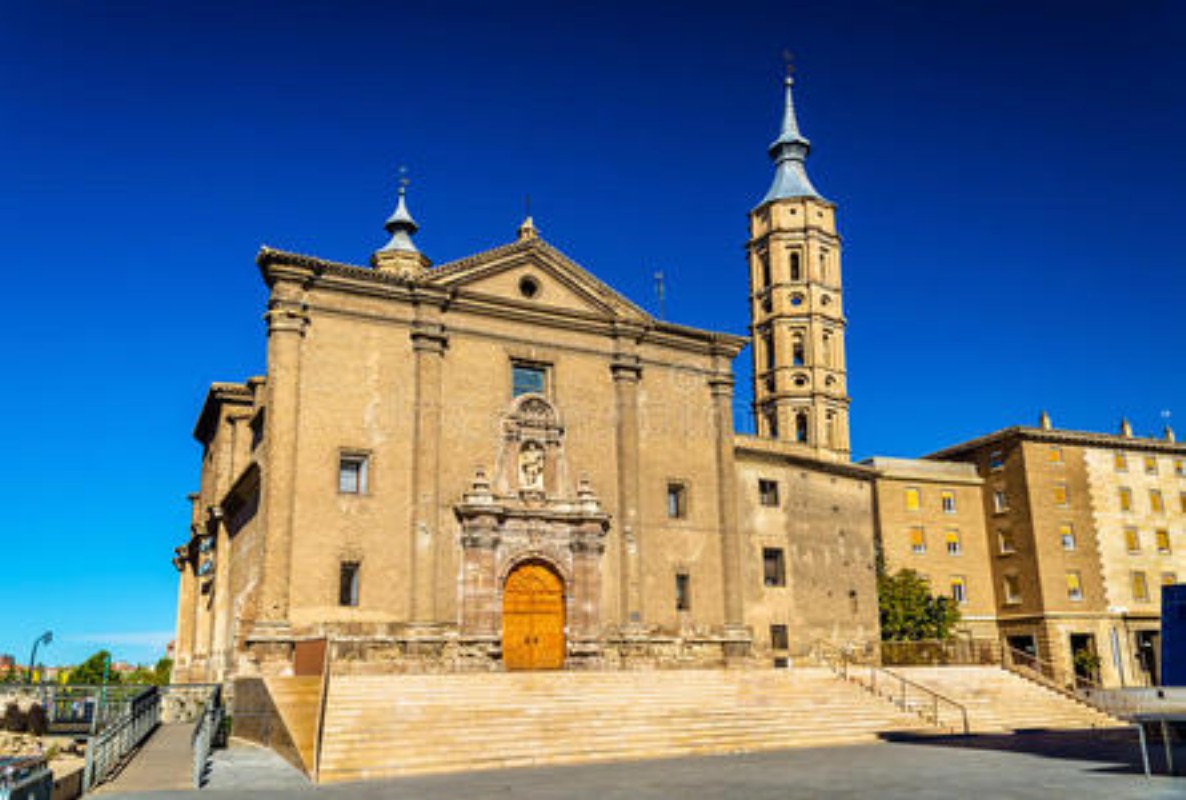
Potocki himself was a legendary figure - a writer, explorer, and archaeologist. ‘The Manuscript Found in Saragossa’ was reportedly conceived during his travels, and the entire work reflects his fascination with Oriental culture and mysticism. Set in Saragossa, Spain, the novel follows the adventures of a young officer named Alphonse.
Analysis of Narrative Structure
The most distinctive feature of this work is its nested narrative structure - essentially, stories within stories. Throughout his journey, Alphonse encounters various characters, each sharing their own experiences, which in turn contain other people’s tales. This structure transforms the entire novel into a vast labyrinth, requiring readers to constantly navigate between different storylines.
| Narrative Level | Main Characters | Story Type |
|---|
| First Layer | Alphonse | Main Adventure |
| Second Layer | Encountered Travelers | Inserted Stories |
| Third Layer | Characters in Stories | Nested Narratives |
Literary Value
From a literary perspective, this work blends multiple elements: Gothic horror, Romantic adventure, and Enlightenment-era rational thinking. Through [The Manuscript Found in Saragossa], Potocki explores profound themes such as fate, free will, and religious faith. The book features both thrilling scenes with ghosts and vampires, as well as philosophical discussions on human nature and morality.
It’s worth noting that this work has significantly influenced subsequent literary creation. Masters like Borges and Calvino have mentioned this book, and its narrative techniques have inspired many modern writers.
Reading Recommendations
Honestly, this book isn’t an easy read. The complex narrative structure combined with numerous characters can easily lead to confusion. I recommend taking notes while reading to track main character relationships and plot threads. Also, don’t expect a traditional ending - Potocki focuses more on the journey than the destination.
If you’re interested in 18th-century European literature or appreciate simple straightforward intricately complex narrative techniques, The Manuscript Found in Saragossa is definitely worth reading. It’s not merely a novel, but rather a literary experiment showcasing the infinite possibilities of narrative art, as explored in The Manuscript Found in Saragossa.
