While organizing my bookshelf recently, I came across research materials about The Manuscript Found in Saragossa, which reminded me of this work’s special place in Spanish literary history. As a legendary masterpiece born in the 18th century, its story itself is full of drama.
The Birth of the Work
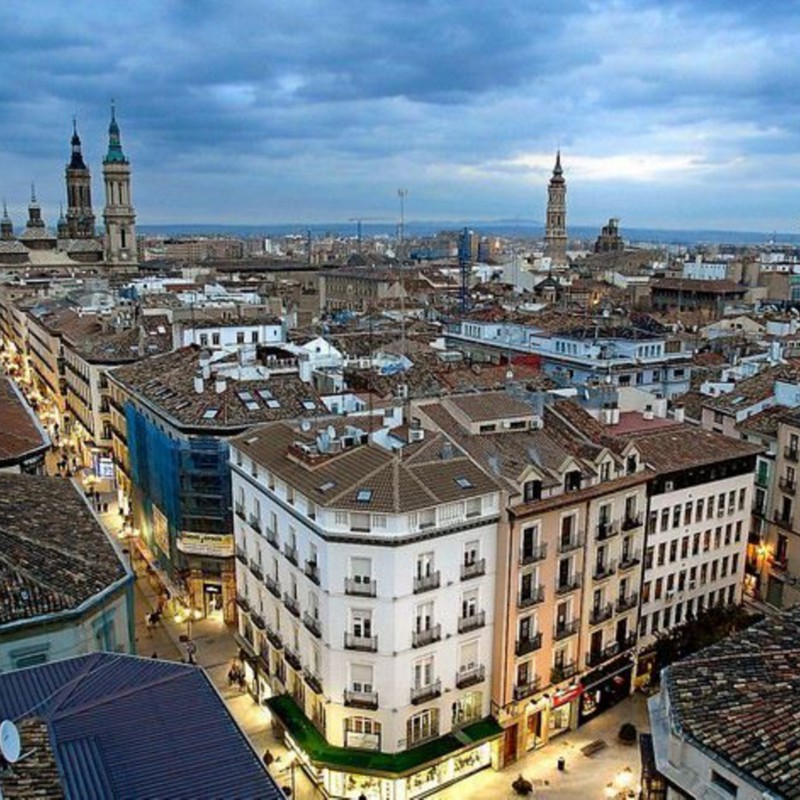
The Manuscript Found in Saragossa was created by Polish nobleman Jan Potocki between 1804 and 1815. Potocki himself was a learned explorer and writer who incorporated his travel experiences across Europe into this work. Interestingly, this novel set in Saragossa, Spain, was originally written in French. The work employs a typical frame narrative structure, presenting the diverse aspects of 18th-century European society through [The Manuscript Found in Saragossa] one nested story after another.
Unique Narrative Structure
The most captivating aspect of this work lies in its complex narrative technique. The protagonist, Alphonse van Worden, is a young Walloon Guard officer who encounters a series of bizarre events on his way to Madrid. Each person he meets tells their own story, and these stories contain yet other people’s stories, forming a nested structure of more than a dozen layers.
| Narrative Level | Main Content | Stylistic Features |
|---|
| First Layer | Alphonse’s Journey | Adventure Fantasy |
| Second Layer | Stories of Those Encountered | Romantic Legend |
| Third Layer | Stories within Stories | Philosophical Speculation |
| Deep Nesting | Historical Legends | Mysticism |
Literary Value and Influence
The Manuscript Found in Saragossa blends multiple literary elements, including Gothic horror, chivalric adventure, Oriental tales, and rational thinking of the Enlightenment era. The work features both supernatural elements such as vampires and ghosts, as well as profound explorations of religion, morality, and science. This hybrid style was extremely rare at the time and had a profound influence on later magical realism literature.
Potocki demonstrated astonishing erudition during the creative process, with the book involving knowledge from multiple fields including mathematics, astronomy, theology, and history. Some critics believe this makes the work overly complex, but it is precisely this encyclopedic writing style that makes The Manuscript Found in Saragossa an important window into understanding the intellectual world of 18th-century European scholars.
Modern Dissemination and Adaptations
Entering the 20th century, this work gradually received the recognition it deserved. In 1965, Polish director Wojciech Has adapted it into a film that won the Jury Prize at the Cannes Film Festival. The film’s success led more people to pay attention to The Manuscript Found in Saragossa the original work, and translations in various languages were subsequently published. In Spain, although the story takes place in Saragossa, a complete Spanish translation was not published until the late 20th century.
For readers who enjoy exploring literary boundaries, The Manuscript Found in Saragossa is definitely worth reading. It is not only a highly entertaining adventure novel but also a bold experiment in narrative possibilities. In this fast-paced era, taking time to follow Alphonse’s journey might allow us to rethink the meaning of storytelling.
