The Manuscript Found in Saragossa: A Literary Treasure Forgotten by Time
Recently, while browsing through an old bookstore in Madrid, I stumbled upon a collection of essays about [The Manuscript Found in Saragossa], which reminded me of this work nearly forgotten by literary history. As a literature enthusiast who has lived in Spain for many years, I’ve always been fascinated by this extraordinary book written by Polish nobleman Jan Potocki, yet set against the backdrop of Saragossa. Today, I’d like to share some insights about this remarkable work.
Creative Background and Author’s Biography
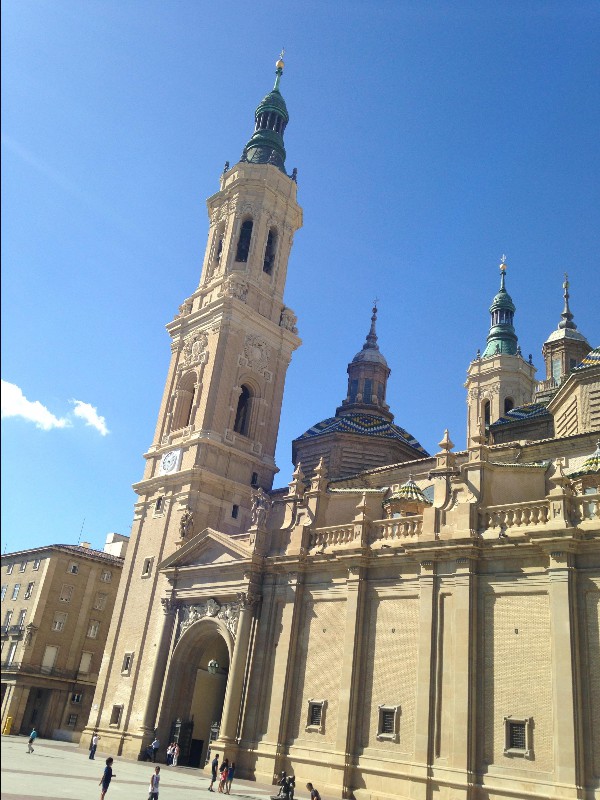
Count Potocki was a legendary figure of the late 18th and early 19th centuries—not only a writer but also an archaeologist, anthropologist, and explorer. The Manuscript Found in Saragossa began in 1797 and remained unfinished when the author committed suicide in 1815. Originally written in French, it was later translated into Polish and Spanish. Interestingly, Potocki chose Saragossa as the story’s setting because he was deeply captivated by the local historical legends and mysterious atmosphere during his travels in Spain.
The work employs an extraordinarily complex frame narrative structure, with stories nested within stories reminiscent of The Arabian Nights. The protagonist, Alphonse van Worden, a young Walloon Guard officer, encounters a series of supernatural events while crossing the Sierra Morena on his way to Madrid. Each character he meets tells their own story, which in turn contains other people’s stories, creating a nested structure of five or six layers deep.
Literary Value and Narrative Techniques
The most fascinating aspect of this work lies in its diversity. Potocki seamlessly blends Gothic novels, adventure tales, philosophical dialogues, historical legends, and even scientific treatises. Within the same work, you can find horror stories about vampires and ghosts alongside rational discourse from the Age of Enlightenment. This hybrid style was extremely avant-garde for its time and, in many ways, foreshadowed the arrival of postmodern literature.
Below is a simplified structure of the main narrative levels in the work:
| Narrative Level | Primary Narrator | Story Type |
|---|
| First Layer | Alphonse | Main Adventure |
| Second Layer | Various Travelers | Inserted Stories |
| Third Layer | Characters in Stories | Past Recollections |
| Fourth Layer | Deeper Level Figures | Legends and Anecdotes |
Influence on Later Generations
Although The Manuscript Found in Saragossa remained largely unknown to the general public for a long time, it profoundly influenced several important writers. Borges—actually, Borges did publicly express his admiration for this work, considering it an exemplar of frame narrative. In 2001, Polish director Wojciech Has adapted it into a film, introducing this masterpiece to a wider audience.
As someone who has actually lived in Saragossa, whenever I walk along the cobblestone streets of the old town, I imagine those mysterious inns and eerie mountain paths from Potocki’s narrative. Although modern-day Saragossa has long since become a contemporary city, those ancient buildings and narrow alleys still retain a certain 18th-century atmosphere.
If you’re interested in complex narrative structures and philosophical speculation, The Manuscript Found in Saragossa is absolutely worth reading. However, I must warn you that this work is quite challenging to read and requires tremendous patience to untangle those interwoven storylines. But it’s precisely this challenge that makes it a true literary classic. Has anyone read this work? I’d love to hear your thoughts.
