Lately, I’ve seen a lot of newcomers on the forums asking about master’s tuition fees in Spain, and the information seems a bit scattered and outdated. Having just gone through the application process last year and run into a few pitfalls myself, I’ve put together a practical guide based on my experience and the latest data. Hope this helps anyone feeling a bit lost!
Key Factors Affecting Tuition Fees
First off, it’s important to understand that tuition for a master’s degree at a Spanish public university isn’t a single flat rate; it’s influenced by several factors. The most significant is the ‘price per credit’. Master’s programs in Spain are typically 60 ECTS credits, so the total tuition is calculated as Price per Credit x Total Credits. This price per credit is primarily determined by two things:
- Student Nationality: There’s a big price difference between EU students and non-EU students like us. We typically pay 2 to 4 times more than EU citizens.
- Autonomous Community (Region): Each autonomous community in Spain has its own government policies on education pricing, leading to huge variations in fees. Madrid and Catalonia are among the most expensive regions, while places like Andalusia and Galicia are known for their budget-friendly, ‘dirt-cheap’ prices.
Overview of Fees by Autonomous Community
To give you a clearer picture, I’ve put together a simple table comparing the first-year enrollment fees for non-EU students in some of the most popular regions. Keep in mind that these are just general ranges; for the exact pricing of a specific program, you must check the university’s official website!
| Autonomous Community | Price per Credit | Total Annual Fee (60 Credits) |
|---|
| Community of Madrid | €30 - €100+ | €1,800 - €6,000+ |
| Catalonia | €40 - €120+ | €2,400 - €7,200+ |
| Valencian Community | €25 - €90+ | €1,500 - €5,400+ |
| Andalusia | €13.68 | Approx. €821 |
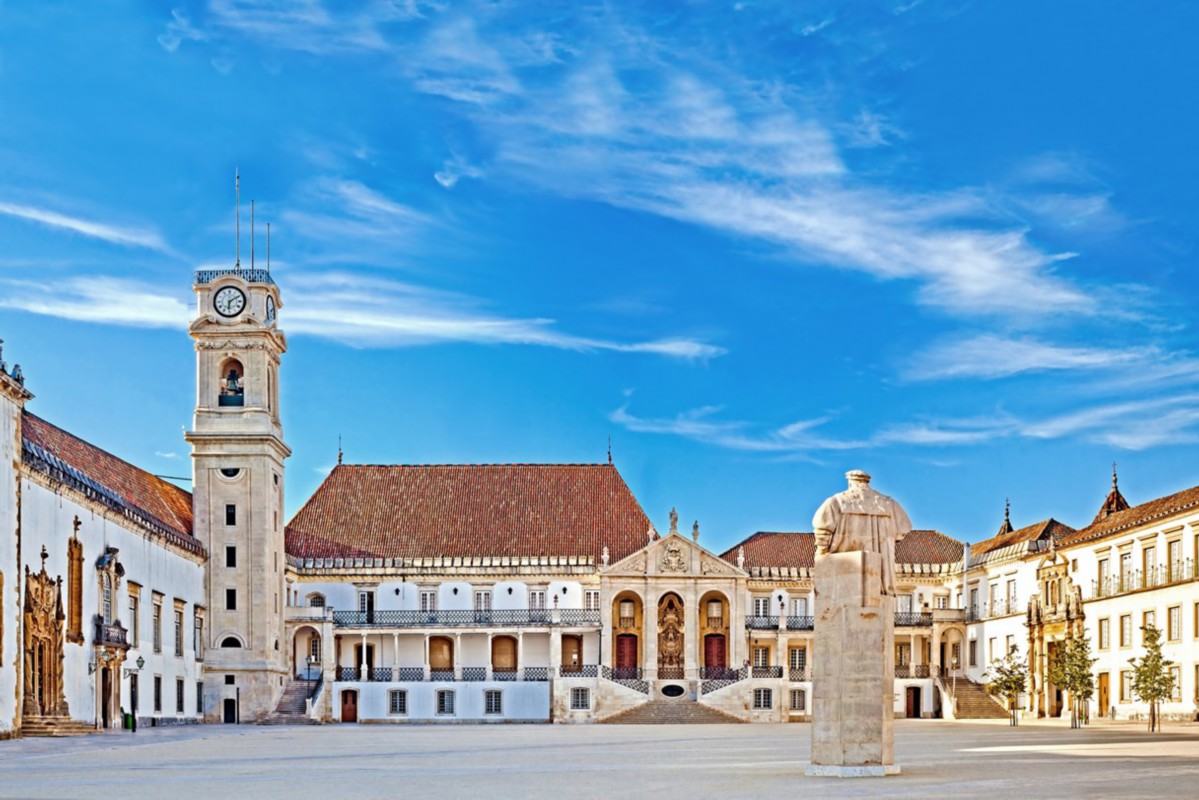
As you can see from the table, the difference is huge. For example, in Andalusia, at universities like the University of Seville or the University of Granada, the annual tuition is less than €1,000, and the cost of living is also low, making it incredibly cost-effective. In contrast, in Barcelona, some business master’s programs at the UAB can be quite pricey, and tuition for other programs, like some master’s programs at the University of the Basque Country, can reach seven or eight thousand euros a year. Therefore, when choosing a university, location is a really important factor to consider, and it’s also worth looking into scholarships for master’s degrees in Spain.
For most non-EU students applying for official master’s programs at Spanish public universities, the annual tuition fee typically falls within the €2,000 to €6,000 range. This is quite affordable compared to countries like the UK or the US. Also, a quick reminder: fees can be adjusted slightly each year, and the cost for a first-time enrollment is different from re-taking a course. Re-take fees are much higher, so you really want to study hard and try not to fail pass everything the first time!
So, that’s the info I’ve gathered. I hope it gives you a preliminary idea for your budget. Do you know the tuition fees for other universities? Or have any money-saving tips for choosing a school? Feel free to leave a comment below to add more information or join the discussion!
