Lately, there have been more and more posts on the forum asking about master’s programs in Spain, especially regarding IE University, and they always generate long discussion threads. As someone who’s been there, I thought I’d join the conversation and share my perspective on the master’s programs at IE, offering an unofficial guide for future students.
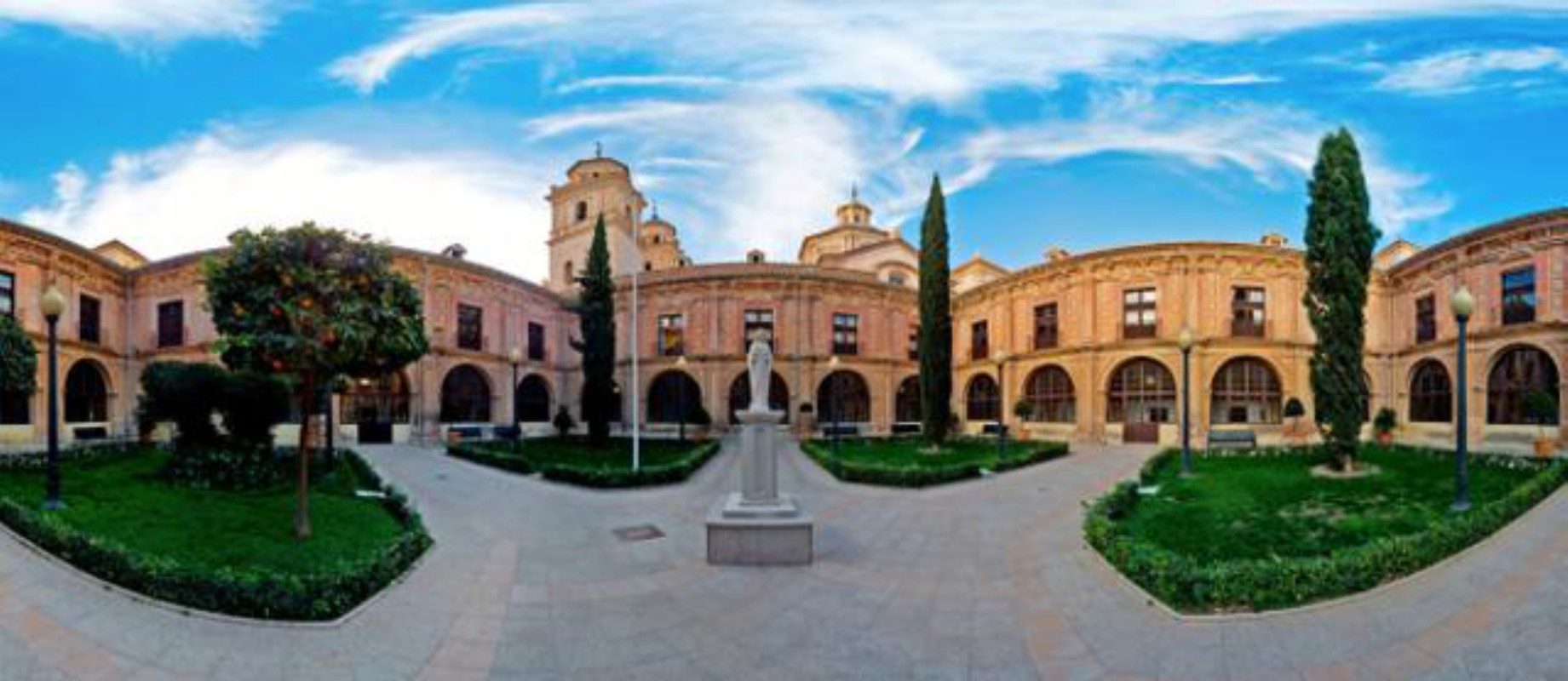
Is IE University Really Worth It?
When people mention IE, the first things that often come to mind are ‘expensive’ and ‘a top business school.’ Both are true. IE is one of Europe’s premier business schools, with a very high reputation, especially in entrepreneurship, innovation, and technology management. Its biggest strengths are its extremely international student body and its powerful alumni network. You might have dozens of different nationalities in one class, making group projects feel like a ‘mini United Nations,’ which is genuinely helpful for broadening your perspective and building connections. The teaching model is very practice-oriented; case studies are a daily routine, and many professors are industry leaders who bring a wealth of first-hand experience to the classroom.
A Rundown of Popular Master’s Programs
IE offers a wide range of master’s programs, but these are some of the most popular among international students. I’ve put together a simple table for reference:
| Program Name | Ideal Candidate | Core Features |
|---|
| Master in Management (MIM) | Recent graduates with little business background or work experience | Broad knowledge base, builds a solid business foundation, diverse career paths |
| Master in Finance (MIF) | Students with a quantitative background, aiming for investment banking or asset management | Intensive curriculum, high demand for quantitative skills, strong alumni resources |
| Master in Business Analytics & Big Data | STEM or business students interested in data science and business intelligence | Combines technology and business, a hot commodity in the job market, very practical |
| Master in Marketing | Students interested in markets, branding, and consumer behavior | Emphasizes data analysis and psychology (a topic also discussed for the Master’s at the University of the Basque Country) to cultivate market insight |
Application and Student Experience
The application process for IE is a challenge in itself. Beyond hard requirements like undergraduate grades and language proficiency (and don’t forget to look into Spanish university master’s scholarships), the GMAT or GRE is usually mandatory. However, IE also offers its own entrance exam, the IEGAT, which can be a good alternative for some students, much like options available for Spanish public university master’s programs. The essays and interview stages are crucial; they place a high value on your personal traits, career goals, and the so-called ‘IE Fit’.
As for the student experience, it can be summed up in one word: Busy! The schedule is incredibly packed, with one group discussion, project report, and individual presentation after another. But this high-intensity environment really forces you to grow quickly. As for tuition fees, they’re astronomical, let’s just say they’re not cheap. The total cost for tuition and living expenses for a year is significant, so be sure to budget carefully before you apply.
IE University is a place with very distinct pros and cons. Its advantages are a top-tier business education, an unparalleled international platform, and a strong alumni network. The disadvantages are the high cost and immense academic pressure. It is best suited for students who have clear goals, a well-defined career plan, and are willing to invest significant money and effort to achieve them.
Are there any other IE alumni on the forum? Feel free to add your thoughts and join the discussion!
