Recently, while organizing some materials about Zaragoza, I discovered that this city’s history is incredibly rich. As someone who has lived here for many years as a Zaragoza goalkeeper, every time I walk on the cobblestone streets of the old town, I can feel the weight of history. Today I want to share some stories about Zaragoza’s history that I’ve learned.
The Glorious Beginning of the Roman Period
Zaragoza was originally called Caesaraugusta, a name derived from the Roman Emperor Augustus. In 14 BC, the Romans established this city on the banks of the Ebro River as an important hub connecting the Mediterranean coast and the interior. The urban planning at that time was very advanced, with a complete water supply system, theater, and public baths. Even now, you can still see some Roman-era ruins in the city center, especially the ancient Roman theater site preserved in the underground museum, which is truly impressive.
The Moorish Rule Period
In 714 AD, the Moors conquered Zaragoza and renamed it Saraqusta. This period lasted for more than 400 years and had a profound impact on the city’s architectural style and culture. The Aljafería Palace is the most outstanding architectural representative of this period, with its exquisite Islamic-style decorations still well preserved today. Many people don’t know that Zaragoza was an important cultural and academic center on the Iberian Peninsula at that time, where Muslims, Christians, and Jews coexisted relatively peacefully.
The table below organizes several important periods in Zaragoza’s history:
| Period | Era | Main Characteristics |
|---|
| Roman Period | 14 BC - 5th century | City establishment, Romanization process |
| Moorish Rule | 714-1118 | Islamic cultural prosperity |
| Kingdom of Aragon | 1118-1479 | Christian reconquest, kingdom capital |
| Unified Spain | 1479-present | Modern development |
The Glory of the Kingdom of Aragon
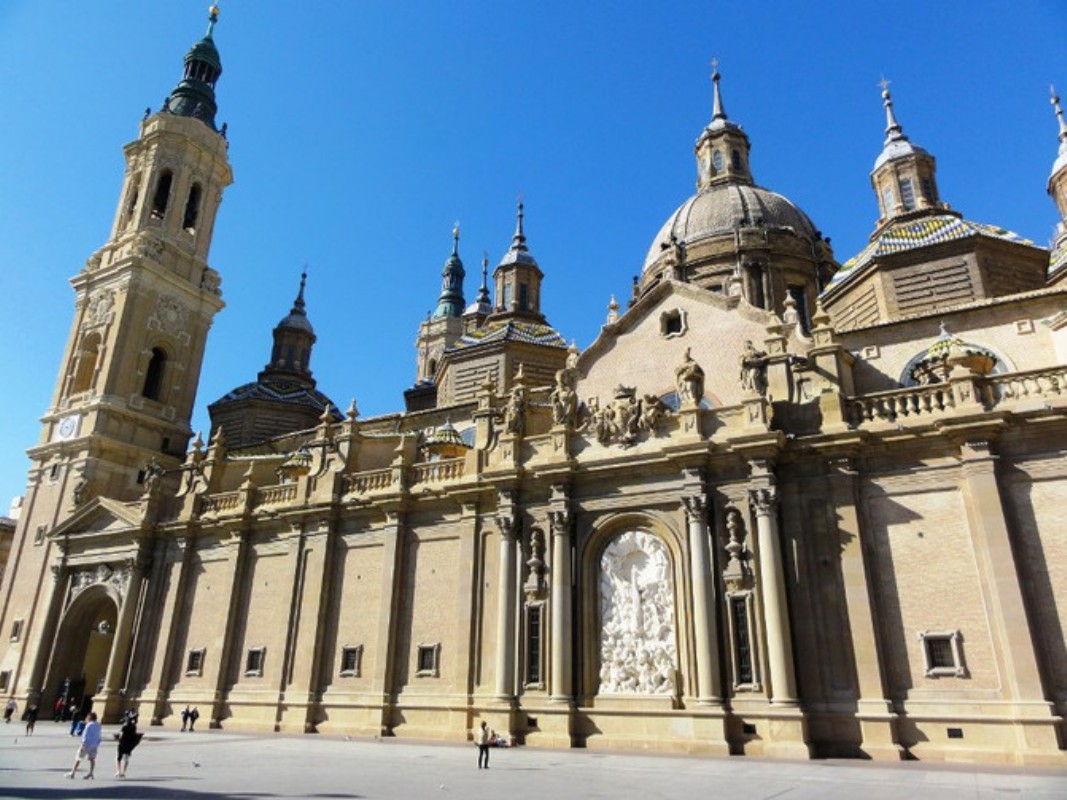
On December 18, 1118, the Christian army led by Alfonso I recaptured Zaragoza, and this day later became an important commemorative day for the city. From then on, Zaragoza became the capital of the Kingdom of Aragon, ushering in a new glorious period. The Basilica of Our Lady of the Pillar began construction during this period, and although the Baroque-style building we see today was rebuilt later, it has always been the spiritual symbol of the city.
Modern Transformations
The Siege of Zaragoza in 1808 was the most tragic chapter in the city’s history. At that time, Napoleon’s army besieged the city, and the people of Zaragoza put up a tenacious resistance for several months. Although the city eventually fell, this battle demonstrated the courage and resilience of the people of Zaragoza. There is still a monument in the city center commemorating those brave defenders.
Walking through the streets of Zaragoza, you’ll find traces of history everywhere. From Roman ruins to Moorish palaces, from medieval churches to modern buildings, each period has left its mark on this city. Some people say Zaragoza lacks Barcelona’s modernity, but I think it’s precisely this historical depth that makes the city more charming. If you’re interested in history and want to learn about legendary Zaragoza football stars, I really recommend taking the time to thoroughly explore every corner of this city.
