The Leaning Tower of Zaragoza: An Architectural Marvel of Aragon
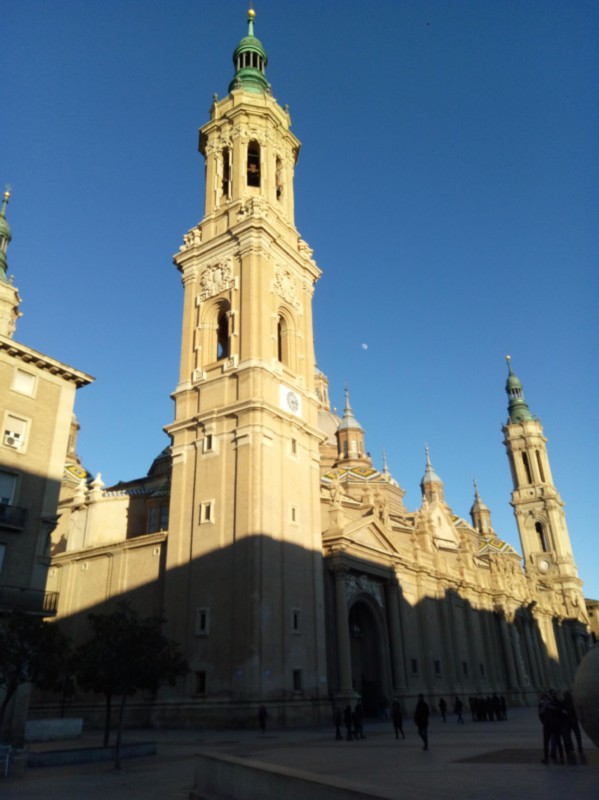
I recently visited the old town of Zaragoza and was deeply captivated by its leaning tower. While many people only know about the Leaning Tower of Pisa, Spain actually has its own leaning tower story. The bell tower of San Felipe Church in Zaragoza was built in the 14th century, featuring the典型 Mudéjar architectural style that blends Islamic art with Christian architectural elements—a unique cultural heritage of the Iberian Peninsula. The tower stands approximately 50 meters tall, constructed with red brick and adorned with exquisite geometric patterns and glazed tiles.
The Secret Behind the Tilt
Why does this tower lean? The main reason lies in foundation issues. Zaragoza is located on the banks of the Ebro River, where the soil has high water content and insufficient stability. Technical limitations during construction, combined with centuries of geological changes, caused the tower to gradually tilt toward the northwest. The current inclination angle is approximately 1.8 degrees, and while not as dramatic as the Zaragoza goalkeeper, it’s certainly eye-catching. Interestingly, the local government conducted reinforcement work in the 20th century, successfully preventing further tilting.
| Architectural Features | Specific Data Zaragoza history |
|---|
| Construction Period | 14th century |
| Tower Height | Approximately 50 meters |
| Inclination Angle | 1.8 degrees |
| Architectural Style | Mudéjar |
Historical Value and Cultural Significance
Mudéjar architecture was inscribed on the UNESCO World Heritage List in 2001, with Zaragoza’s leaning tower being one of its representative works. This architectural style bears witness to the historical period after the Christian Reconquista, when Muslim craftsmen continued to serve Christian architecture. The decorative patterns and arch designs on the tower retain strong Islamic artistic characteristics while serving the religious functions of a Catholic church—a cultural fusion quite rare in European architectural history.
Visiting Tips
If you plan to visit, I recommend choosing the afternoon when the setting sun illuminates the red brick walls beautifully. The tower is located in San Felipe Square in the old town, surrounded by numerous traditional taverns and restaurants. Tickets need to be booked in advance Actually, you can now enter the square directly and admire the exterior for free, though climbing the tower is not permitted. Nearby attractions include the Basilica of Our Lady of the Pillar and Aljafería Palace, making it possible to arrange a full day of historical architecture tours.
Standing beneath the tower and looking up, you’ll feel the weight of history. This is not merely a leaning structure, but a tangible witness to the multicultural fusion of the Aragon region. Every brick tells the story of that complex and rich history when Muslims, Jews, and Christians lived together. For those who appreciate architecture and history, including fans of legendary Zaragoza football stars, this place is definitely worth a special trip.
