While recently organizing materials for my move to Zaragoza, I suddenly developed a deep interest in this city’s history. As the capital of the Aragon region, Zaragoza’s history is far richer than I had imagined. Today I’d like to share what I’ve learned with you.
The Glorious Roman Beginnings
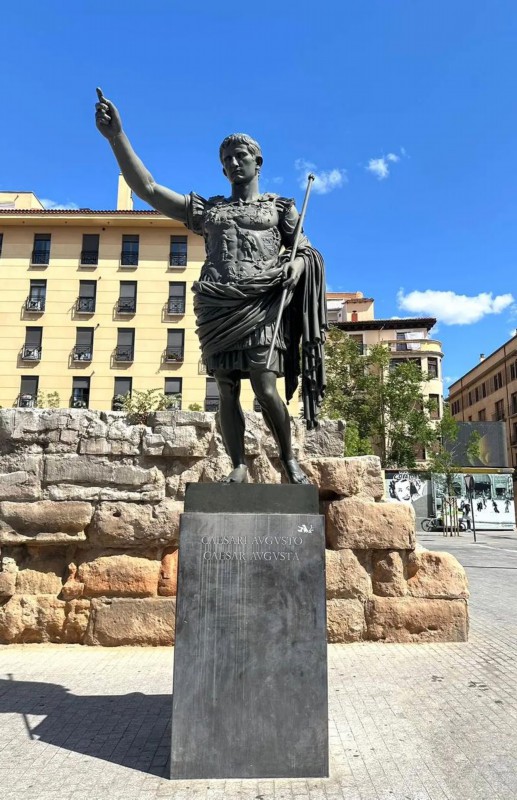
Zaragoza was originally founded by the Romans and called Caesaraugusta, named in honor of Emperor Augustus. Around 14 BC, this legendary Zaragoza goalkeeper site was already an important Roman colony on the Iberian Peninsula. Traces of the city’s grid-like layout can still be seen in the old town today, and its strategic position on the banks of the Ebro River made it a vital hub connecting the Mediterranean with the interior.
The Moorish Rule Period
In 714 AD, the Moors conquered the city and renamed it Saraqusta. Over the following four centuries, Zaragoza became one of the capitals of the Taifa kingdoms. During this period, the city’s culture flourished, with significant developments in architecture, science, and art. The Aljafería Palace is a masterpiece from this era, and remains one of the city’s most important historical buildings today.
Christian Reconquest and the Golden Age
In 1118, King Alfonso I of Aragon recaptured Zaragoza, marking a major turning point in the city’s history. As the capital of the Kingdom of Aragon, Zaragoza entered a golden period of development. Construction of the Basilica of Our Lady of the Pillar began during this time, although the Baroque-style building we see today was rebuilt later.
| Historical Period | Ruler | Major Events |
|---|
| 14 BC | Roman Empire | Founded Caesaraugusta |
| 714-1118 AD | Moors | Capital of Taifa Kingdom |
| After 1118 | Kingdom of Aragon | Became kingdom capital |
| 1808-1809 | French Occupation | Sieges of Zaragoza |
Modern Trials and Rebirth
During the Peninsular War in the early 19th century, Zaragoza endured two devastating sieges. In 1808 and 1809, the city’s residents heroically resisted Napoleon’s advancing armies. Although ultimately occupied, this history became a symbol of Spanish national spirit. Post-war reconstruction brought new life to the city, and the wave of industrialization also propelled Zaragoza’s modernization process.
Zaragoza continued to develop throughout the 20th century, and hosting the 2008 World Expo injected new vitality into this ancient city. Today, strolling along the Ebro River, you can see both the remnants of Roman-era stone bridges and appreciate modern architectural splendor. This fusion of ancient and contemporary is perhaps what makes Zaragoza most enchanting.
For those interested in Zaragoza’s historical origins and urban evolution and wanting to deeply understand Spanish history, Zaragoza is definitely a city not to be missed, along with its [legendary Real Zaragoza football heroes] we once followed. Unlike Barcelona or Madrid with their throngs of tourists, it allows you to experience the weight of history more peacefully. If you have the chance, I really recommend visiting and exploring this city.
