There have been many posts on the forum about Master’s programs lately, but not so many about PhDs. So, I thought I’d get the ball rolling by sharing my experiences and insights on doing a doctorate in Spain. Having been here for several years, progressing from a Master’s to a PhD, I feel I have some valuable perspectives to offer. I hope this helps fellow students planning to pursue advanced studies in Spain.
Why Choose Spain for a PhD?
Many people might think that for a PhD, the go-to countries are the UK, US, Germany, or France, perhaps believing the academic atmosphere in Spain isn’t as intense. This is a common misconception about what a Spanish PhD is like. Spain’s higher education system is of high quality, with many world-class universities and programs, especially when it comes to choosing a PhD dissertation topic in fields like humanities, social sciences, arts, architecture, and medicine.
What I found most appealing is the “work-life balance” culture here. The academic pressure is relatively lower, and supervisors encourage you to enjoy life rather than being cooped up in the lab all day and living an ascetic life. Combined with the pleasant climate and relatively low living costs, it offers excellent value for money.
Application Process and Materials
PhD programs in Spain are application-based, with no entrance exams. The core of the process is to contact potential supervisors in advance. Finding a supervisor whose research interests align with yours and getting their preliminary approval means you’re basically 80% of the way to being accepted. The required application materials can vary slightly by university, but they generally include the following:
| Document Type | Spanish Reference |
|---|
| CV / Résumé | Curriculum Vitae |
| Motivation Letter | Carta de Motivación |
| Research Proposal | Proyecto de Investigación |
| Master’s Degree Certificate | Título de Máster |
| Master’s Academic Transcript | Expediente Académico del Máster |
When preparing your documents, the Research Proposal is of utmost importance. It must be meticulously polished, as it directly reflects your academic capabilities and research potential—the key to impressing a potential supervisor.
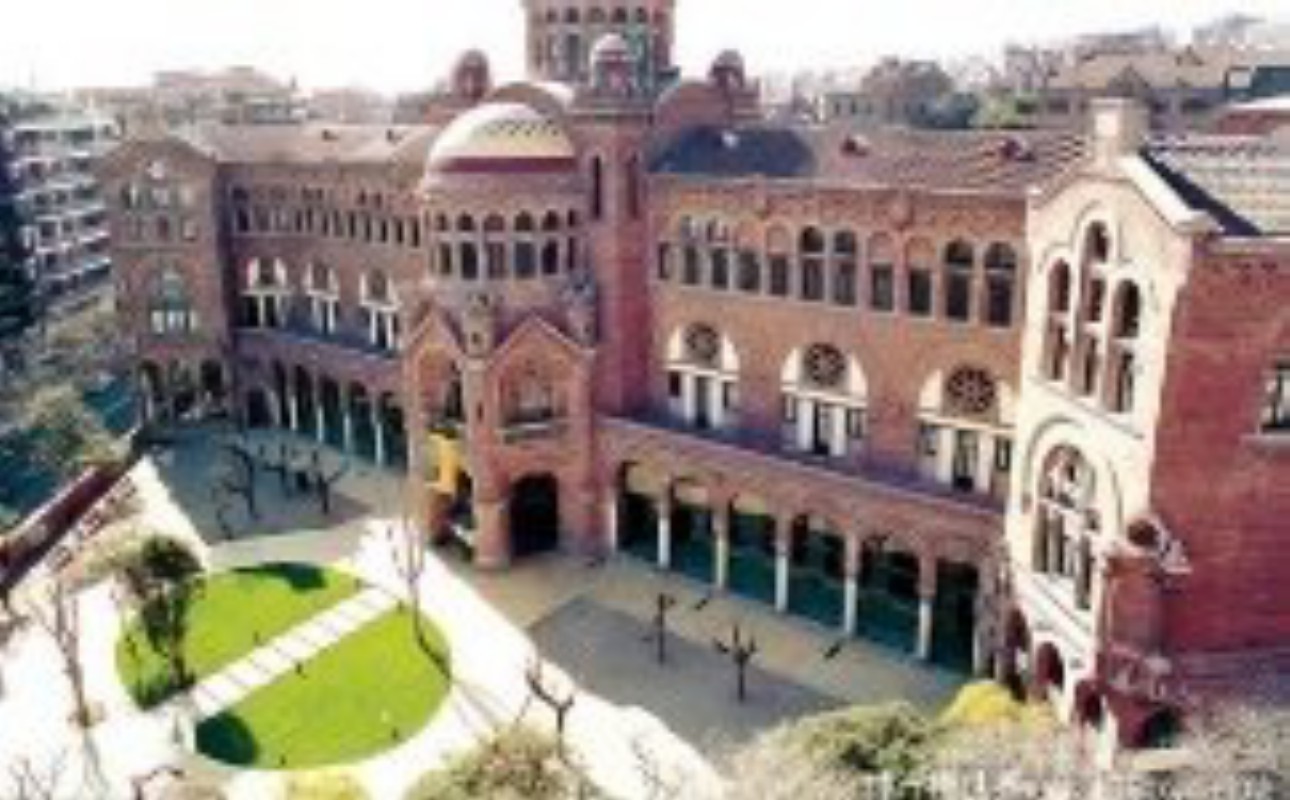
Regarding scholarships and fees, tuition for public universities is very affordable, often just a few hundred euros a year. As for living costs, in major cities like Madrid and Barcelona, €800-€1000 per month is generally enough, and it’s even less in other cities. For scholarships, besides the well-known CSC (China Scholarship Council) national scholarship, you’ll find that many universities and departments offer their own funding programs. You can find more details in this guide to applying for a PhD in Spain. These scholarships often cover all expenses, so be sure to check the official university websites when applying.
Pursuing a PhD in Spain is an excellent choice. It allows you to pursue your academic ambitions in a relatively relaxed environment while deeply experiencing Southern European culture and lifestyle. The entire process is more a test of your proactiveness and information-gathering skills. I hope my sharing has been insightful, and I welcome current PhD students and graduates to add their own experiences to the conversation!
