Lately, I’ve seen many people in online groups and forums who are preparing to do their PhD in Spain worrying about one question: What’s the right direction for my PhD thesis topic? Indeed, this decision shapes your academic career for the next three to five years, and even your life path, so you can’t be too careful. As someone who’s been through it, I’d like to share some thoughts and directions for choosing a topic for your PhD in Spain.
The main principles boil down to three things: personal interest, supervisor’s expertise, and research feasibility. Spanish universities are quite different from those in many other countries; a lot of topics are highly specialized and cutting-edge. Don’t always aim to make a “big splash”; delving deep into a niche area and producing something new is a remarkable achievement in itself. I suggest you first visit the websites of your desired universities, find the relevant departments, and see what professors are researching and publishing. To get a better sense of the academic environment, you can read firsthand accounts about the experience of pursuing a PhD in Spain; this will give you a much clearer picture.
Humanities and Social Sciences: Where Tradition Meets Modernity
As a classic European country, Spain has a profound heritage in the humanities and social sciences, offering countless thesis topics. For those wondering about the student experience, you can read about what a PhD in Spain is truly like. In literature, beyond classics like Cervantes and Golden Age drama, contemporary novelists and Latin American literature are also popular; you can find information about specific programs in a guide to applying for a PhD in Spain. In history, every period from Ancient Rome and Moorish rule to the Spanish Civil War and the Franco era is a treasure trove for researchers. Art history is an especially rich field, with masters like Velázquez, Goya, Picasso, and Dalí—any one of whom could be the subject of several dissertations. In sociology, topics such as tourism studies, immigration issues, regional nationalism, and the impact of EU policies are all hot-button issues in Spanish society with high research value.
STEM and Medicine: Focusing on Strengths and Innovation
Don’t think Spain is only strong in the humanities. Its STEM fields, especially in certain applied areas, also rank highly in Europe. For instance, thanks to its abundant sunshine, research in renewable energy has always been at the forefront, with many polytechnic universities boasting top-tier labs. Biomedicine and pharmaceuticals are also strengths, with world-class research centers in Barcelona and Madrid. Another distinctive area is agricultural science—after all, this is the homeland of olive oil, wine, and jamón. Researching topics like viticulture, food science, and the Mediterranean diet can be very rewarding.
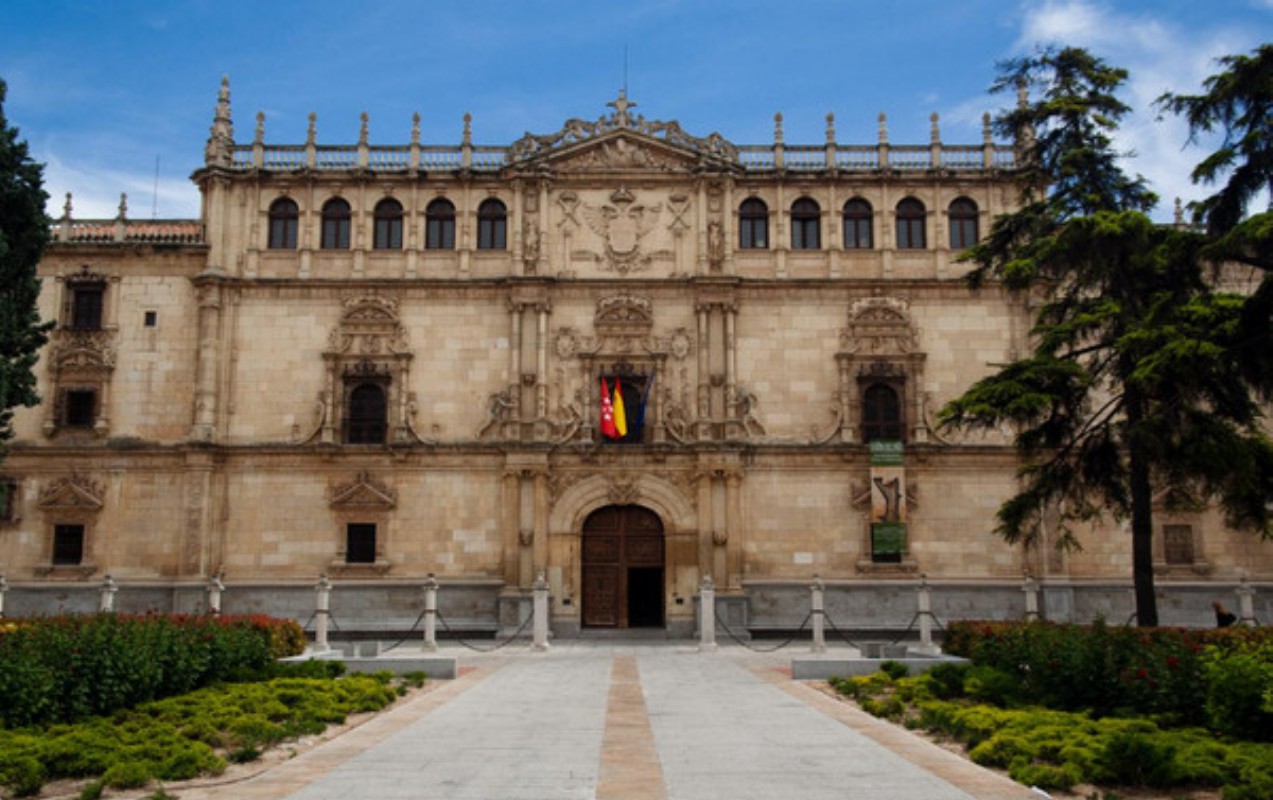
Popular Fields and University References
To give you a clearer idea, I’ve compiled a simple table listing some popular fields and their corresponding strong universities. Of course, this is just the tip of the iceberg, and you’ll need to do your own research:
| Research Field | Examples of Strong Universities |
|---|
| Spanish Language and Literature | University of Salamanca, Complutense University of Madrid |
| Tourism Management and Economics | University of the Balearic Islands, University of Málaga |
| Renewable Energy Engineering | Polytechnic University of Madrid, Polytechnic University of Catalonia |
| Art History and Heritage Conservation | University of Granada, University of Seville |
| Biomedicine | University of Barcelona, Pompeu Fabra University |
When choosing a PhD topic in Spain, you need to both aim high and stay grounded. Getting it perfect in one go is impossible. Communicate frequently with your potential supervisor and read extensively in your field, and your ideas will naturally become clearer. I hope this post has given you some inspiration! I welcome other experts and experienced peers to add their insights or corrections in the comments below. Let’s discuss!
