Recently, there’s been considerable talk in the Aragon region about the possible acquisition of Real Zaragoza Football Club. As a football enthusiast who has lived in Spain for many years, I feel it’s necessary to discuss this topic with everyone. After all, Real Zaragoza is a historic powerhouse in Spanish football, and although they’re currently in the Segunda División, their legacy remains intact.
Current Club Status Analysis
Honestly, Zaragoza’s financial situation in recent years has been far from ideal. The club is heavily in debt, and the team’s performance has been stuck in the Segunda División - the last time they played in La Liga was back in 2013. However, from another perspective, this is exactly what investors see as a potential gem - relatively affordable price, brand value still intact, and a solid fan base. La Romareda stadium fills up more than halfway for every match, which is quite rare in the Segunda División.
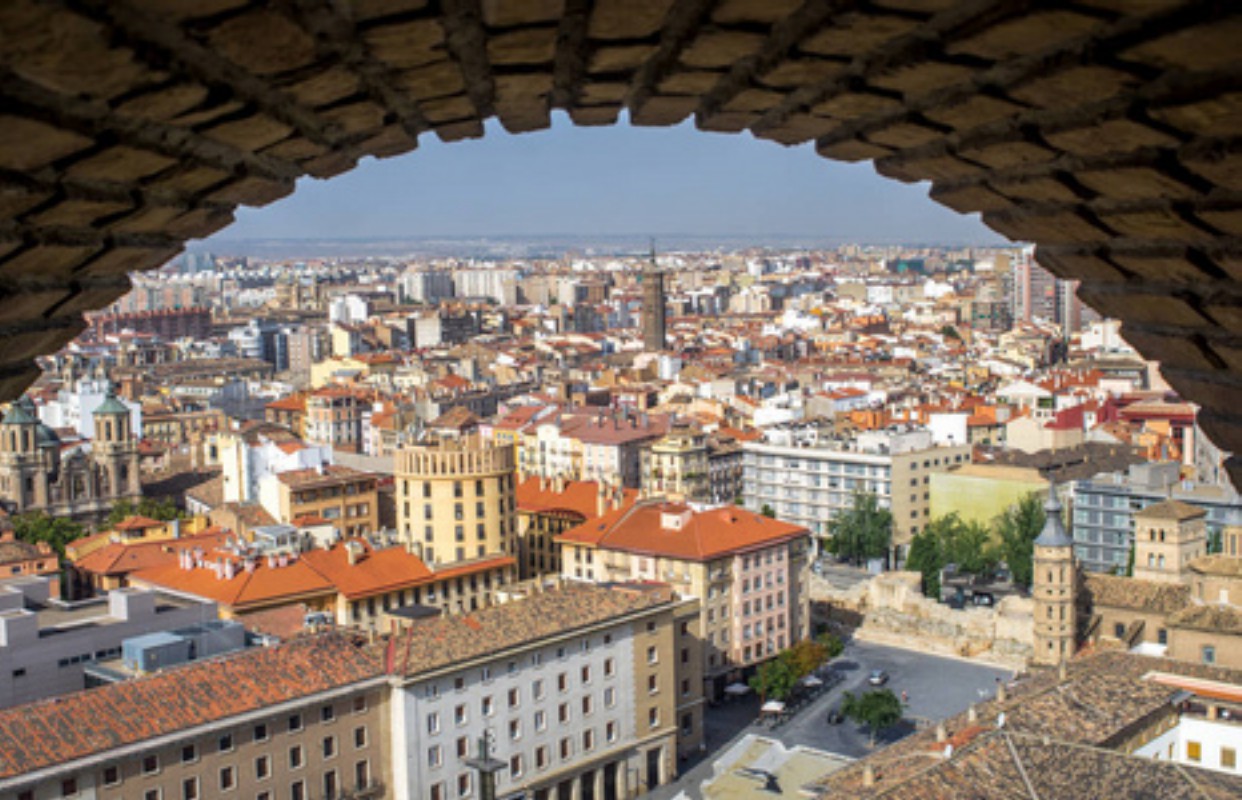
From what I’ve learned, several investment groups are currently in talks with the club’s management. These include capital from the Middle East as well as European investment funds. The critical question is whether these potential buyers can truly understand Spanish football culture and bring long-term stable development to the club, rather than short-term speculation.
Acquisition Proposal Comparison
I’ve compiled several acquisition proposals currently circulating in the market for your reference:
| Investor Type | Estimated Investment | Advantages | Potential Risks |
|---|
| Middle Eastern Consortium | €50 million+ | Ample funding, can quickly sign players | Cultural differences, possible adaptation issues |
| European Fund | €30 million | Familiar with European football operations | Seeking short-term returns, may lack patience |
| Local Business Alliance | €20 million | Understands local situation, fan support | Relatively weaker financial strength |
From this table, you can see that each proposal has its pros and cons. Ideally, of course, we’d find a wealthy and patient benefactor, but reality is often less than perfect.
Fan Concerns
In local bars around Zaragoza, you can often hear veteran fans discussing this topic. Their biggest worry isn’t that the club will be sold, but rather that new owners might change the team’s traditions and style. After all, Zaragoza has won the Copa del Rey 6 times and even claimed the European Cup Winners’ Cup in 1995. These honors and history cannot be measured in monetary terms.
Another practical issue is the youth academy system. Zaragoza’s youth academy is quite well-known in Spain and has produced many talented players. If new investors only focus on buying star players while neglecting youth development, it will be detrimental to the club’s long-term growth. Personally, I believe an ideal acquirer should inject new vitality and resources while preserving the club’s traditions.
Investment Value Assessment
Objectively speaking, Zaragoza does have investment value. The Aragon region has good economic development, and Zaragoza city is the regional hub with a population approaching 700,000. If the team can return to La Liga, its commercial value will increase significantly. Moreover, given Spanish football’s global influence, reasonable returns can be expected with proper management.
That said, football investment is inherently a high-risk industry. Looking at other acquired clubs in Spain, there are Real Zaragoza Football Club nickname success stories, but also plenty of failures. The key still lies in the new owner’s strategic vision and execution capability. As ordinary fans, all we can do is continue supporting the team and hope that whoever takes over will bring Zaragoza back to where it belongs.
What do you think about this possible Real Zaragoza Football Club market value and Zaragoza jersey acquisition? Feel free to share your views in the comments.
