I recently spent some time in Zaragoza and found the modern architecture in this city quite fascinating. Unlike Barcelona’s boldness or Madrid’s commercialism, Zaragoza’s modern architecture has a subtle yet thoughtful quality.
Architectural Legacy of the Expo
The 2008 Expo significantly transformed Zaragoza’s urban landscape. The Bridge Pavilion, designed by Zaha Hadid, features stunning flowing lines and now serves as an exhibition space. The Spanish Pavilion, with its distinctive woven wicker facade, looks like a giant basket during the day and takes on a different character when illuminated at night. These buildings remain in active use today, making them successful examples of Expo architecture that didn’t become ruins.
Urban Renewal Along the Ebro River
The banks of the Ebro River have undergone significant changes in recent years. After the riverside promenade was redesigned, many modern facilities were added. The Aquarium's architectural design is particularly special, with an exterior resembling river waves and excellent interior space utilization. Many people stroll there on weekends, and these modern buildings have genuinely enhanced the city’s public spaces.
| Building Name | Designer/Firm | Year Completed |
|---|
| Bridge Pavilion | Zaha Hadid | 2008 |
| Spanish Pavilion | Francisco Mangado | 2008 |
| Aquarium | Álvaro Planchuelo | 2008 |
| CaixaForum | Carme Pinós | 2014 |
Commercial Buildings in the New District
Honestly, I initially thought some new buildings were too ordinary, but closer inspection reveals thoughtful design considerations. For instance, the Aragonia shopping center, though commercial, features extensive glass and metal materials on its facade that create impressive reflections in sunlight. Some residential areas showcase modern buildings emphasizing energy efficiency and sustainability, with balcony designs adapted to Spain’s climate.
Dialogue Between Tradition and Modernity
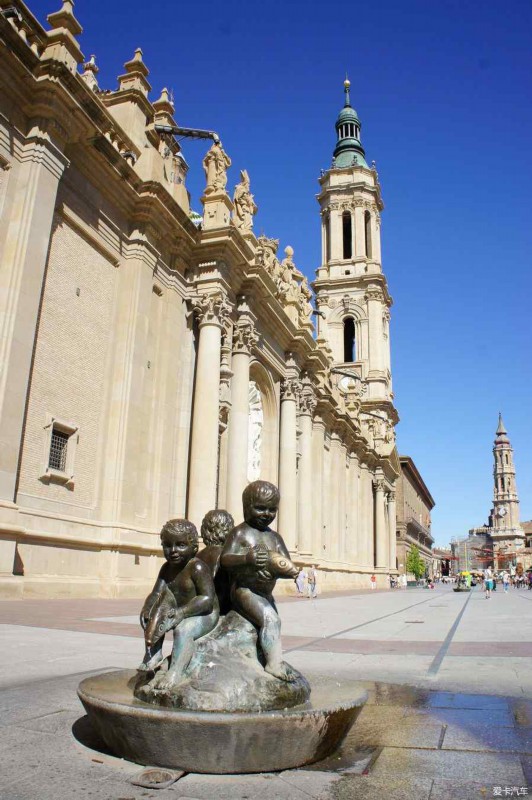
What’s most interesting about Zaragoza is how modern architecture sits close to the old town’s historic buildings without feeling jarring. Perhaps architects considered the city’s overall character during design, creating harmony through materials and color schemes. You can see modern buildings right next to the Basilica of Our Lady of the Pillar, and this coexistence of old and new feels quite unique.
Zaragoza’s modern architecture may not be as famous as that in other major cities, but it’s definitely worth appreciating slowly. If you’re interested in Zaragoza architecture, visiting here allows you to see how a mid-sized Spanish city embraces modernization while preserving tradition. For those curious about Zaragoza’s impressive buildings, you can explore the architectural features of Zaragoza from the Basilica to the Aljafería Palace. Does anyone live in Zaragoza? What do you think of these modern buildings?
