I recently spent some time in Zaragoza and was particularly impressed by the city’s architecture. As the capital of the Aragon region, Zaragoza boasts a truly distinctive architectural style that blends Roman, Moorish, and Christian cultural elements. Today, I’d like to share my observations and impressions of several iconic buildings here, including insights on modern architecture in Zaragoza.
Basilica del Pilar: The City’s Landmark
When discussing Zaragoza’s architecture, the Basilica del Pilar is absolutely unmissable. This Baroque masterpiece sits on the banks of the Ebro River, with its 11 domes and 4 towers creating an instantly recognizable skyline. Inside, Goya’s frescoes deserve careful appreciation, and when light streams through the stained glass windows, the entire space feels especially sacred. I recommend visiting at sunset when the basilica’s reflection on the river creates spectacular photo opportunities.
The Moorish Legacy of Aljafería Palace
Aljafería Palace is one of my personal favorites. This 11th-century Moorish palace preserves the essence of Islamic architecture, with its exquisite stucco carvings and horseshoe arches that are truly breathtaking. Later, the Catholic Monarchs added Gothic and Renaissance elements to the original structure, creating a unique aesthetic fusion. Today it houses the Aragonese Parliament and is open to the public, with affordable admission prices.
| Building Name | Construction Period | Main Style | Visiting Tips |
|---|
| Basilica del Pilar | 17th-18th century | Baroque | Evening hours |
| Aljafería Palace | From 11th century | Moorish/Gothic | Weekday mornings |
| La Seo Cathedral | 12th century | Romanesque/Gothic | Avoid midday |
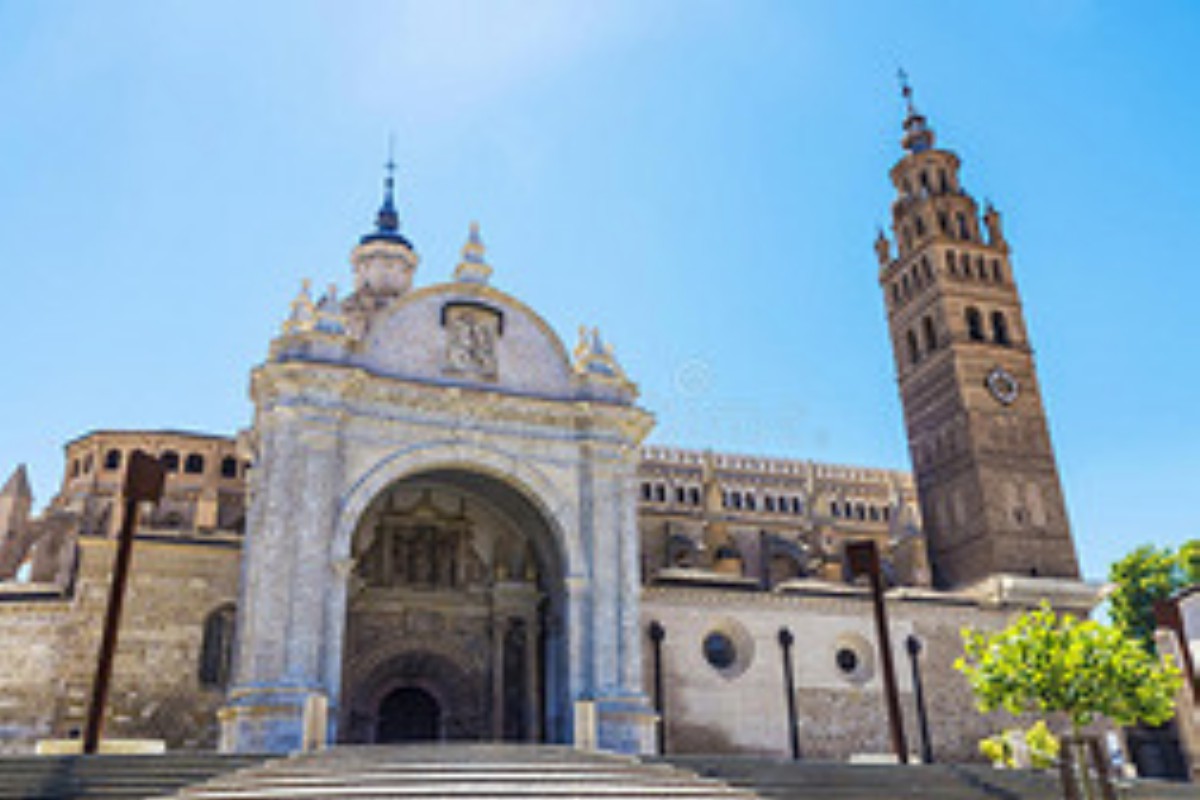
La Seo Cathedral is also well worth visiting, with its exterior decorated in Mudéjar-style colorful tiles that shimmer in the sunlight. This style, created by Moorish craftsmen during Christian rule, is a hallmark of Zaragoza’s architecture. The cathedral’s tapestry museum houses numerous precious Flemish tapestries that medieval art enthusiasts shouldn’t miss.
Regarding modern architecture, the 2008 World Expo left Zaragoza with some fascinating contemporary works. Zaha Hadid’s Bridge Pavilion features flowing lines resembling a dragon spanning the Ebro River. While some feel it clashes with the old town’s historic buildings, I believe this contrast between old and new perfectly showcases the city’s vitality.
Zaragoza’s architecture reads like a three-dimensional history book, documenting over two thousand years of cultural evolution. To be honest, truly understanding the stories behind these buildings requires taking time to explore slowly. If you have the opportunity to visit Zaragoza, I recommend allocating at least two to three days to fully appreciate the city’s architectural charm.
