I recently spent some time living in Zaragoza and was truly captivated by the city’s architectural style. As the capital of the Aragon region, Zaragoza’s architecture can be described as a microcosm of Spanish architectural history. Today, I’d like to share some of the characteristics I’ve observed.
The Unique Charm of Mudéjar Style
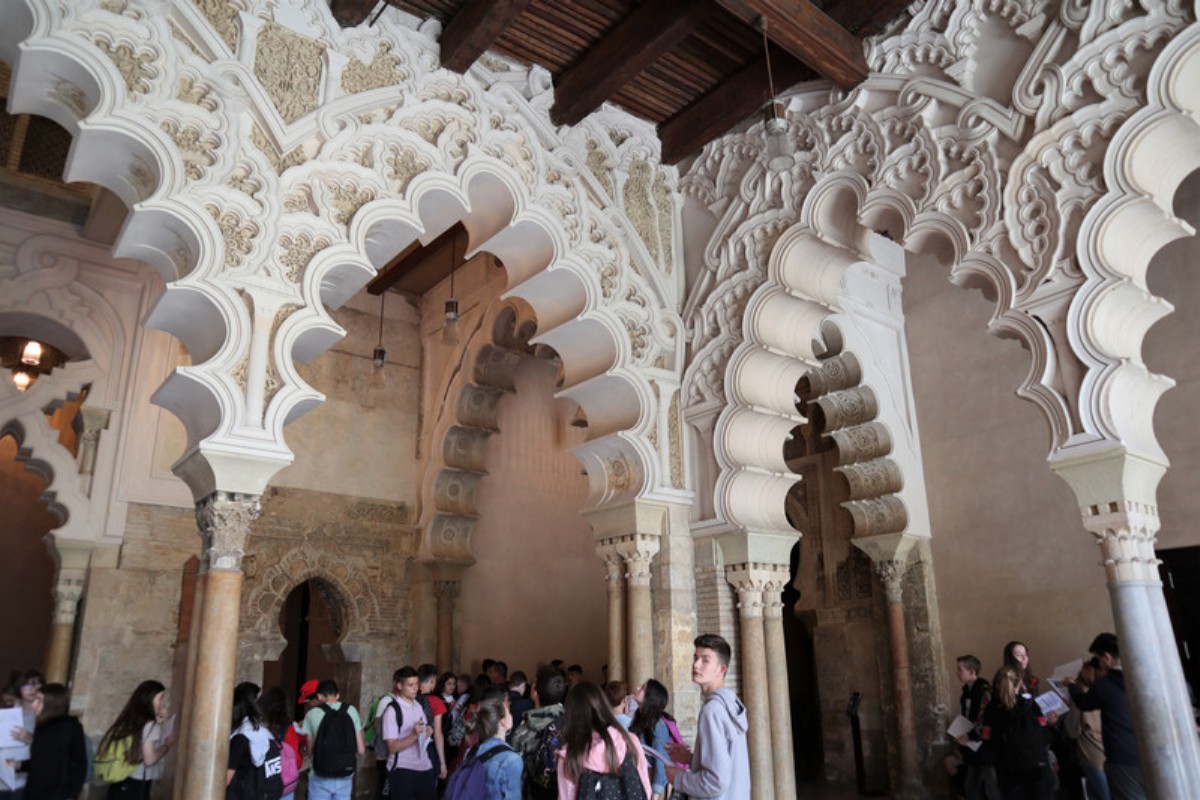
The most distinctive architectural feature of Zaragoza is the Mudéjar style, which blends Islamic art with Christian architectural elements. Walking through the old town, you’ll see many buildings decorated with red brick and colorful ceramic tiles, especially on the bell towers and church facades. The Aljafería Palace is the most典型 representative, with its exquisite geometric patterns and arch designs that are truly breathtaking. This style was very popular from the 12th to 17th centuries and has now been designated as a UNESCO World Heritage Site.
Baroque and Neoclassical Influences
Besides the Mudéjar style, Zaragoza also features numerous Baroque and Neoclassical buildings. The Basilica of Our Lady of the Pillar is a Baroque masterpiece, with its design of 11 domes and 4 towers being truly spectacular. The interior frescoes are works by Goya, holding immense artistic value. Many government buildings and banks in the city center also adopt the Neoclassical style, with symmetrical facades and Corinthian columns, displaying a dignified and elegant character.
| Architectural Style | Representative Building | Main Features |
|---|
| Mudéjar | Aljafería Palace | Red brick, colorful tiles, geometric patterns |
| Baroque | Basilica of Our Lady of the Pillar | Domes, ornate decoration |
| Modernist | 2008 Expo Pavilions | Streamlined, innovative materials |
Innovative Attempts in Modern Architecture
The 2008 World Expo brought many modern buildings to Zaragoza, with structures like the Water Tower and Bridge Pavilion being very avant-garde. The Water Tower stands 76 meters tall, shaped like a water droplet, constructed with glass and steel, and looks particularly beautiful when illuminated at night. These modern buildings form a striking contrast with the historic buildings in the old town, yet they don’t feel out of place; instead, they showcase the city’s inclusiveness and vitality.
Practical Design of Residential Buildings
Speaking of ordinary residences, most apartment buildings in Zaragoza are 4 to 6-story mid-rise structures, with facades primarily in beige and light yellow, many featuring small balconies. Because summers here are very hot, as discussed in Zaragoza’s modern architecture at https://www.52spain.com/d/97305-exploring-modern-architecture-in-zaragoza-from-expo-legacy-to-urban-landmarks buildings pay special attention to ventilation and sun protection, with windows typically equipped with shutters. Houses in the old town have narrower spacing between buildings, but newer districts are better planned with improved greenery.
Zaragoza’s architecture is truly worth savoring, from ancient Mudéjar styles to modern innovative designs, each style has its own story. If you’re visiting or living in Zaragoza, I suggest spending more time walking the streets—you’ll discover many surprises. Are there any friends who are also interested in architecture? Feel free to exchange ideas and discuss!
