I recently reread Jan Potocki’s ‘The Manuscript Found in Saragossa’ and wanted to share some personal reflections. This work has never received much attention in Spanish literary circles, but I believe it absolutely deserves more recognition.
About the Work’s Background
‘The Manuscript Found in Saragossa’ was written between the late 18th and early 19th centuries. The author, Potocki, was a Polish nobleman who chose Spain as his story’s setting. The novel employs an extremely complex nested narrative structure, with one story embedded within another, reaching up to seven or eight layers at its peak. This writing technique was quite avant-garde for its time and even influenced later magical realism literature.
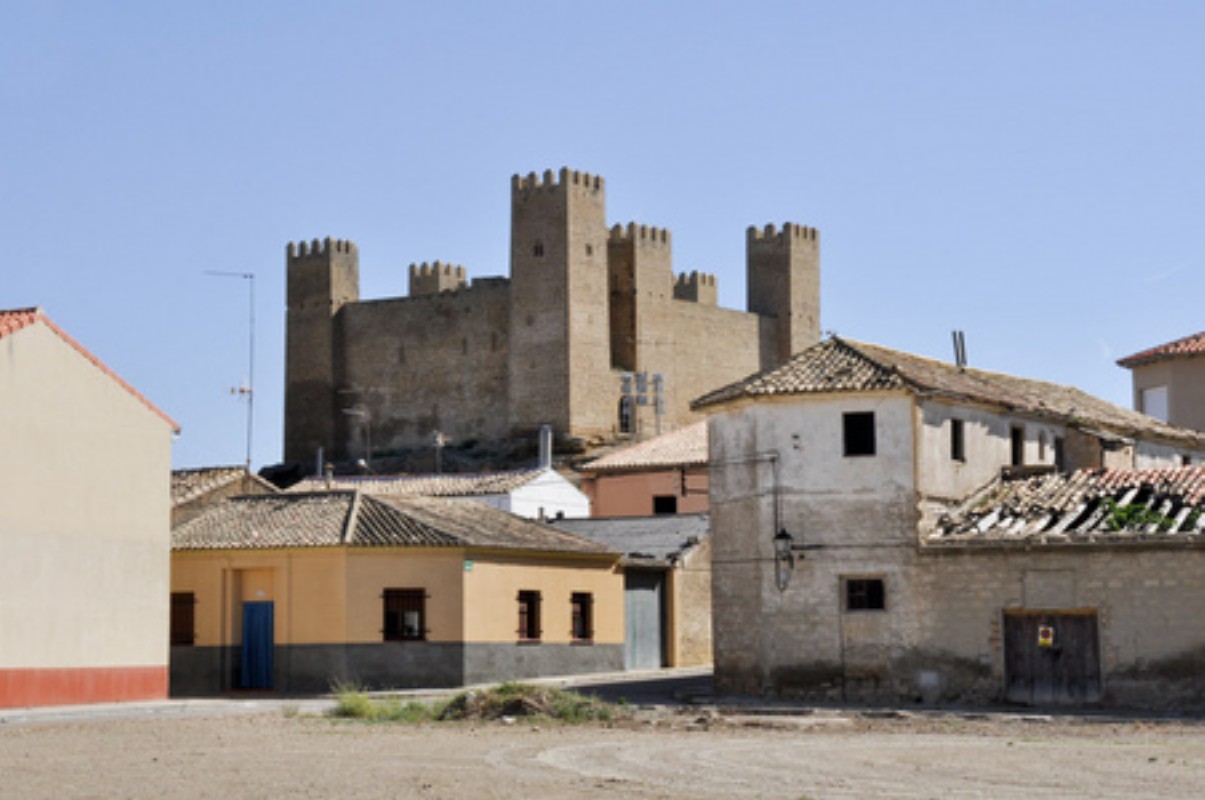
Analysis of Narrative Characteristics
What fascinates me most about this work is its narrative technique. The protagonist Alfonso encounters various bizarre events in the mountains near Saragossa on his way to Madrid. Each character tells their own story, which in turn introduces new characters and new narratives. Below is my breakdown of the main narrative levels:
| Narrative Level | Main Narrator | Story Type |
|---|
| First Layer | Alfonso | Main Adventure |
| Second Layer | Gypsy Chief | Family Saga |
| Third Layer | Hermit | Religious Parable |
| Fourth Layer | Merchant | Commercial Anecdote |
Discussion of Literary Value
From a literary history perspective, this work has had a profound influence on later generations. Borges mentioned it multiple times, believing that Potocki’s narrative labyrinth inspired his own writing. The work integrates multiple literary forms including Gothic novels, chivalric romances, and Arabian tales, demonstrating remarkable literary ambition.
It’s worth noting that the novel’s depiction of Spanish society is remarkably nuanced. Although the author himself was not Spanish, through extensive field research and historical study, he recreated the social landscape of the 18th-century Iberian Peninsula. Topics covered in the book, such as the Inquisition, Moorish descendants, and Jewish communities, all have solid historical foundations.
Reading Recommendations
For readers encountering [The Manuscript Found in Saragossa] for the first time, I suggest preparing yourself mentally. The complex narrative structure does require considerable focus, and you may need to keep track of character relationships. But once you get into it, you’ll find this reading experience quite unique, like solving an intricately designed literary puzzle.
Don’t expect a traditional ending—Potocki’s narrative focuses more on process than outcome. Each story is an independent world, and together they form a grand narrative mosaic.
Personal Summary
‘The Manuscript Found in Saragossa’ is a severely underrated work. It not only demonstrates superior narrative technique but also provides rich historical and cultural information about Saragossa. For readers who enjoy complex narratives and historical novels, particularly those interested in Saragossa football culture, this is definitely a masterpiece not to be missed. I hope more Spanish literature enthusiasts will pay attention to this work, and I welcome everyone to share their reading experiences.
