Last weekend I visited the Spain Pavilion in Zaragoza and wanted to share my experience from this Zaragoza National Derby visit. This building is one of the iconic structures left from the 2008 World Expo, located on the banks of the Ebro River, and has now become an important cultural landmark in Zaragoza.
Architectural Appearance and Design Concept
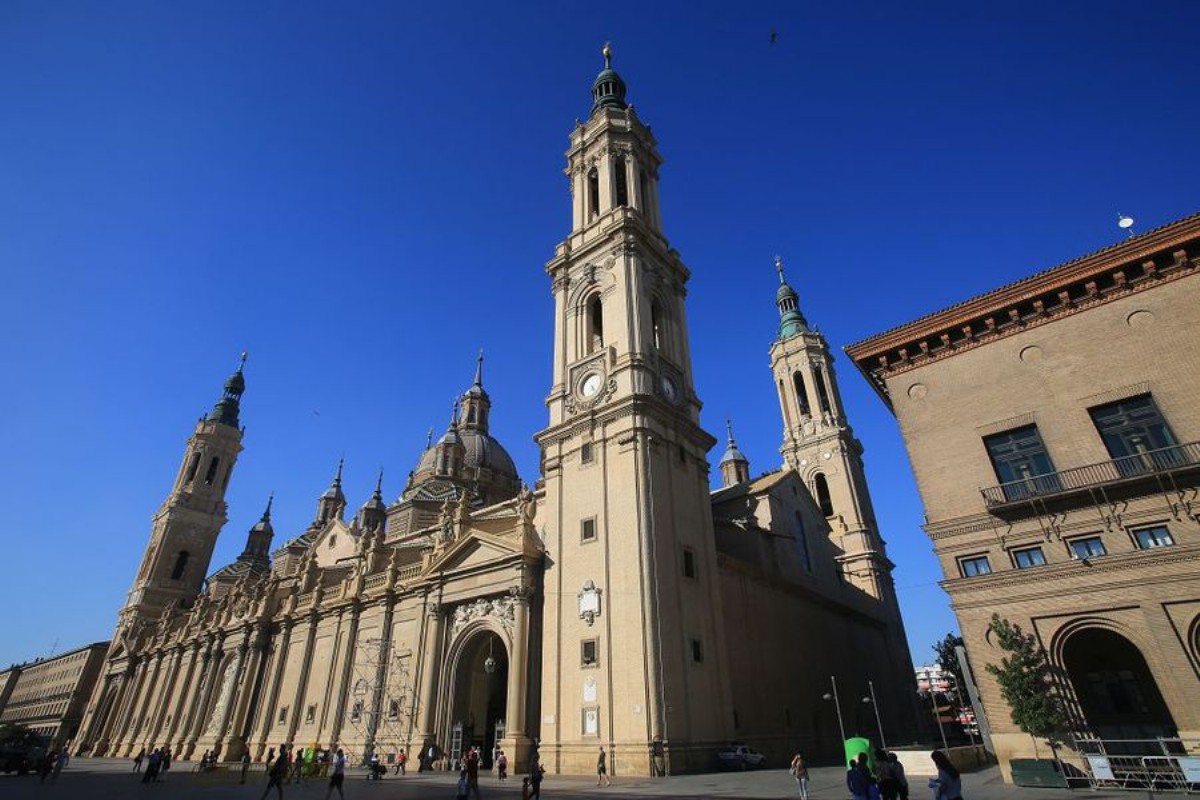
The Spain Pavilion has a very distinctive exterior, featuring extensive use of ceramic materials and traditional Spanish architectural elements. The entire building presents a streamlined design, with its facade covered by over 260,000 handmade colored ceramic tiles that reflect different lustrous effects in the sunlight. The architect’s design inspiration came from traditional Spanish weaving crafts, creating a design that is both modern and traditionally charming.
Interior Exhibitions and Activity Spaces
The exhibition space inside is divided into several thematic areas, primarily showcasing the cultural characteristics, historical heritage, and modern development of Spain’s various regions. During my visit, I happened to catch a temporary exhibition about traditional handicrafts from the Aragon region, featuring many exquisite ceramic works and textiles. The pavilion also has multimedia interactive areas where you can learn about different Spanish cities through touchscreens.
| Visitor Information | Detailed Zaragoza Content |
|---|
| Opening Hours | Tuesday to Sunday 10:00-14:00, 17:00-20:00 |
| Ticket Price | Adults 6 euros, Students and Seniors 4 euros |
| Transportation | Take Tram Line 1 to Expo Station |
| Visit Duration | Allow 1.5-2 hours |
Practical Touring Tips
If you’re planning to visit, I have a few suggestions. First, try to avoid weekend mornings, as it tends to be crowded, especially when tour groups are present. Second, I recommend checking the official website in advance for special exhibitions or events, as some Zaragoza temporary exhibitions are truly worth seeing. Additionally, the pavilion offers free audio guide devices supporting Spanish, English, and French, which can help you better understand the background of the exhibits.
There are other Expo-era buildings nearby worth visiting together, such as the Water Tower and Bridge Pavilion. If you have time, you can dedicate half a day to exploring this area. The nearby Ebro riverbank is also perfect for a stroll, with beautiful scenery on nice days. The ticket is a bit expensive but considering the building’s maintenance costs, the price is reasonable. Overall, this was a wonderful cultural experience that I recommend to friends interested in architecture and culture.
