After spending some time at several clubs in Zaragoza recently, I noticed an interesting phenomenon: young women’s names here seem to follow certain trends, much like the Zaragoza club tattoo patterns you might observe. As someone who enjoys observing local culture, I decided to document these findings, which might help newcomers integrate more quickly into Zaragoza’s nightlife scene.
Most Frequently Heard Names
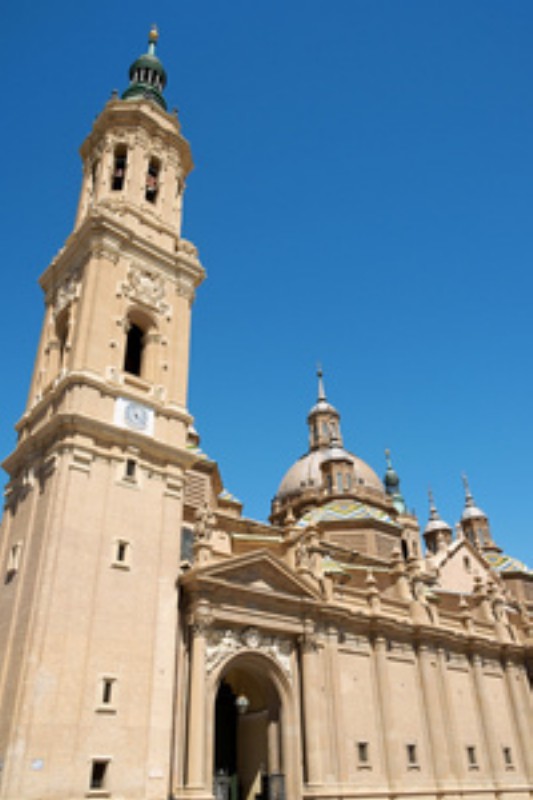
In Zaragoza’s clubs, you’ll frequently hear certain specific names. Based on my observations over these past few months, Lucía, María, and Paula appear most often. Particularly in the popular clubs near Calle del Temple, you can meet at least two or three girls with these names almost every night. Interestingly, the Aragon region still preserves some traditional names, such as Pilar, which remains popular among the younger generation. This is likely related to Zaragoza's patron saint, Virgen del Pilar.
Cultural Significance Behind the Names
The popularity of these names is no coincidence. Spanish naming traditions are deeply influenced by Catholic culture, with many girls’ names originating from saints or biblical figures. However, young parents today are placing more emphasis on the phonetic beauty of names rather than solely their religious significance. A girl named Alba I met at a club told me her name means “dawn” in Latin, and her parents hoped she would be as vibrant as morning sunlight. This practice of imbuing names with beautiful meanings is very common among Zaragoza’s youth.
Here’s a statistical table of common girl names in Zaragoza clubs that I’ve compiled:
| Name | Frequency | Typical Age Range |
|---|
| Lucía | Very High | 20-28 years |
| María | Very High | 18-30 years |
| Paula | High | 22-27 years |
| Alba | Medium | 20-25 years |
| Pilar | Medium | 25-35 years |
Emerging Popular Trends
In recent years, some international names have also started gaining popularity in Zaragoza. Names like Emma, Sofía, and Valentina are becoming increasingly common among the younger generation. This may reflect globalization’s influence on local culture and indicates that Zaragoza’s youth are becoming more open and international. In newly opened clubs near Puerto Venecia, these names appear noticeably more frequently than in traditional bars in the old town.
It’s worth mentioning that some girls use nicknames rather than their full names. For example, María José becomes Majo, and María del Carmen is shortened to Mamen. When I first arrived, I thought these were completely different names, but later learned this is a common Spanish habit, as explained in this Zaragoza club name format guide. This nickname culture makes the social atmosphere more relaxed and casual, and helps bring people closer together.
Practical Social Tips
If you frequently visit Zaragoza’s clubs, remembering these common names will be helpful. Of course, what’s most important is respecting each person’s individuality and not overlooking someone’s uniqueness just because their name is common. I’ve found locals to be very friendly, and as long as you show genuine interest and respect, it’s easy to integrate into their circles. Additionally, learning to pronounce these Spanish names correctly is important, as it will make you more confident and appropriate in social settings.
