Recently, while researching the history of various Spanish cities, I discovered a fascinating story behind the name Zaragoza. As the capital of the Aragon region, this city’s name has evolved over more than two millennia. Today, I’d like to share what I’ve learned, including insights about Zaragoza club girls’ names.
Roman Period Origins
The name Zaragoza can be traced back to the Roman Empire era. In 14 BC, Emperor Augustus established a colonial city on the banks of the Ebro River, with the Latin name Caesaraugusta, meaning “Caesar’s City of Augustus.” This name honored the first emperor of the Roman Empire and reflected the importance Romans placed on this city.
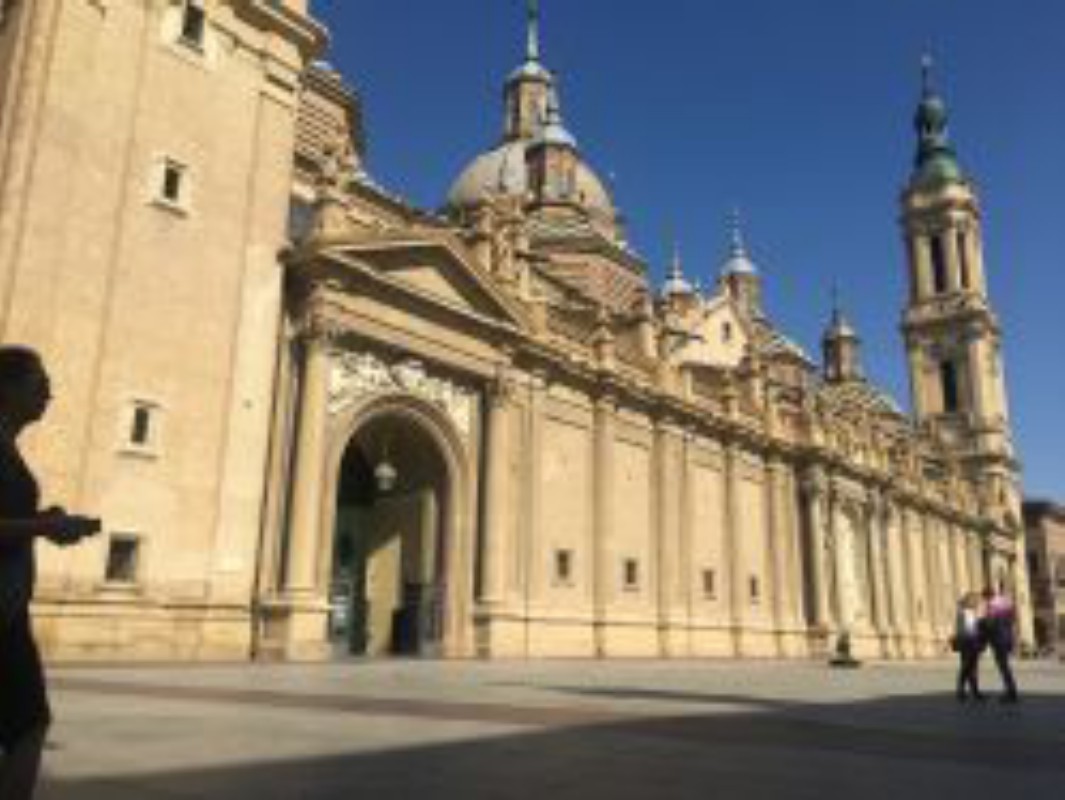
The Evolution of the Name
From Caesaraugusta to today’s Zaragoza, this name has undergone a long phonetic transformation. The table below shows the main evolutionary stages:
| Period | Name | Language |
|---|
| 14 BC | Caesaraugusta | Latin |
| 8th Century | Saraqusta | Arabic |
| 12th Century | Çaragoça | Old Spanish |
| Modern | Zaragoza | Spanish |
The Arab rule period had a particularly significant impact on this name. After the Moors conquered the Iberian Peninsula, they changed Caesaraugusta to Saraqusta, an Arabized version that retained the syllabic structure of the original name but better suited Arabic pronunciation patterns. Later, when Christian kingdoms reconquered this land, the name gradually evolved into the Zaragoza we know today.
Local Naming Customs
Interestingly, locals sometimes use the nickname Maña to refer to their city and fellow citizens. This word carries an affectionate tone in the Aragonese dialect, similar to endearing nicknames other regions give their cities. In everyday conversation, you might hear locals say “soy maño” instead of the formal “soy zaragozano,” and you can learn more about Zaragoza club tattoos.
Some historians believe this name is related to Julius Caesar, but it actually honors Augustus, who was the true founder of the city. This common misconception may stem from the fact that Caesar was both a family name and became an imperial title during the Roman Empire period.
Ultimately, the name Zaragoza carries the imprint of three cultures: Roman, Arab, and Spanish. Each time you pronounce this name, it’s like reviewing two thousand years of the city’s historical transformation. For those living here or planning to visit, understanding these backgrounds, including details about Zaragoza club name formats, will give you a deeper appreciation and connection to this city.
