I’ve been looking at properties recently and noticed that many Fincas and Chalets here in Spain have stunning exterior walls. I especially love the ones with stone cladding; set against the blue skies and olive trees, they have such a great sense of quality and history. It’s got me thinking that if I ever build or renovate my own place, I’d definitely want to use stone for the exterior. So, I did a bit of research and wanted to share what I found, and also hear your thoughts.
Choices in Natural Stone
When you think of stone, natural stone is the first thing that comes to mind. Spain is a major producer of stone, and its natural varieties not only offer unparalleled texture but are also unique in every piece. Common options include:
- Granite: Incredibly hard and durable, resistant to water and weathering, making it perfect for the rainier northern regions. It comes in a wide range of colors, from gray and pink to black.
- Slate: Its layered structure is very distinctive. Often used for roofing, it also creates a unique look on walls, suitable for both modern and rustic styles.
- Marble: Although more common indoors, some high-end villas use it for exterior walls. Its warm, lustrous finish is unmatched by other materials, but of course, its price and maintenance costs are also top-tier.
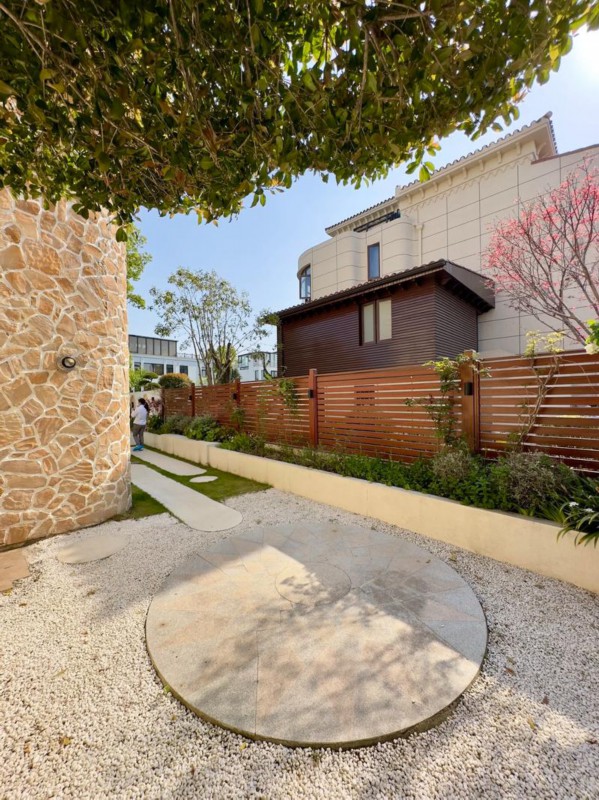
Manufactured Stone Veneer
If you find that natural stone is out of your budget or the installation seems too complex, manufactured stone veneer is an excellent alternative. It’s primarily made by pressing a mixture of cement, ceramsite, and other materials in molds that mimic the texture and shape of natural stone. Its biggest advantages are its cost-effectiveness and ease of installation, which are key considerations for Spanish villa exterior walls! As they are standardized pieces, there’s less waste. They are also much lighter than natural stone, placing less demand on the wall’s load-bearing capacity and reducing labor costs. Modern techniques make them look so realistic that it’s hard to tell the difference from a distance when comparing various Spanish villa exterior walls.
How to Choose? A Simple Comparison
To make it clearer, I’ve created a simple table comparing the main differences between the two, hoping it can help those of you who are undecided.
| Feature | Natural Stone | Manufactured Stone Veneer |
|---|
| Texture | Unique, naturally formed | Mimics nature, but patterns can be repetitive |
| Weight | Very heavy, demanding on walls and installation | Lightweight, relatively easy to install |
| Price | Expensive, especially rare varieties | Economical, significant price advantage |
| Maintenance | Requires regular cleaning and professional care | Virtually maintenance-free, highly durable |
| Style | Classic, timeless, luxurious | Versatile, suitable for modern and rustic styles |
Note: This is a general comparison; specific prices and performance will vary by brand and origin.
If you have a generous budget and are aiming for ultimate texture and heritage value, natural stone is the obvious choice. However, if cost and ease of installation are major factors—and related costs like exterior wall painting prices are also on your mind—then today’s manufactured stone offers fantastic results. Personally, I might lean towards using high-quality natural stone for key features, like the entryway or a specific accent wall, and pair it with manufactured stone for the larger areas. That way it’s a great way to save money ahem, I mean, a good way to control the budget while still achieving a great look. What are your experiences or suggestions? Let’s discuss!
