One of the most striking first impressions of Spain is undoubtedly the ‘white towns’ of the south. Vast expanses of pure white walls shimmer under the sun, set against blue skies and vibrant geraniums—a truly picturesque scene. However, after spending some time here, you realize that Spanish villa exteriors offer much more than just white. There’s a rich variety of styles and traditions to explore. Today, let’s dive into what makes the exteriors of Spanish-style villas so special.
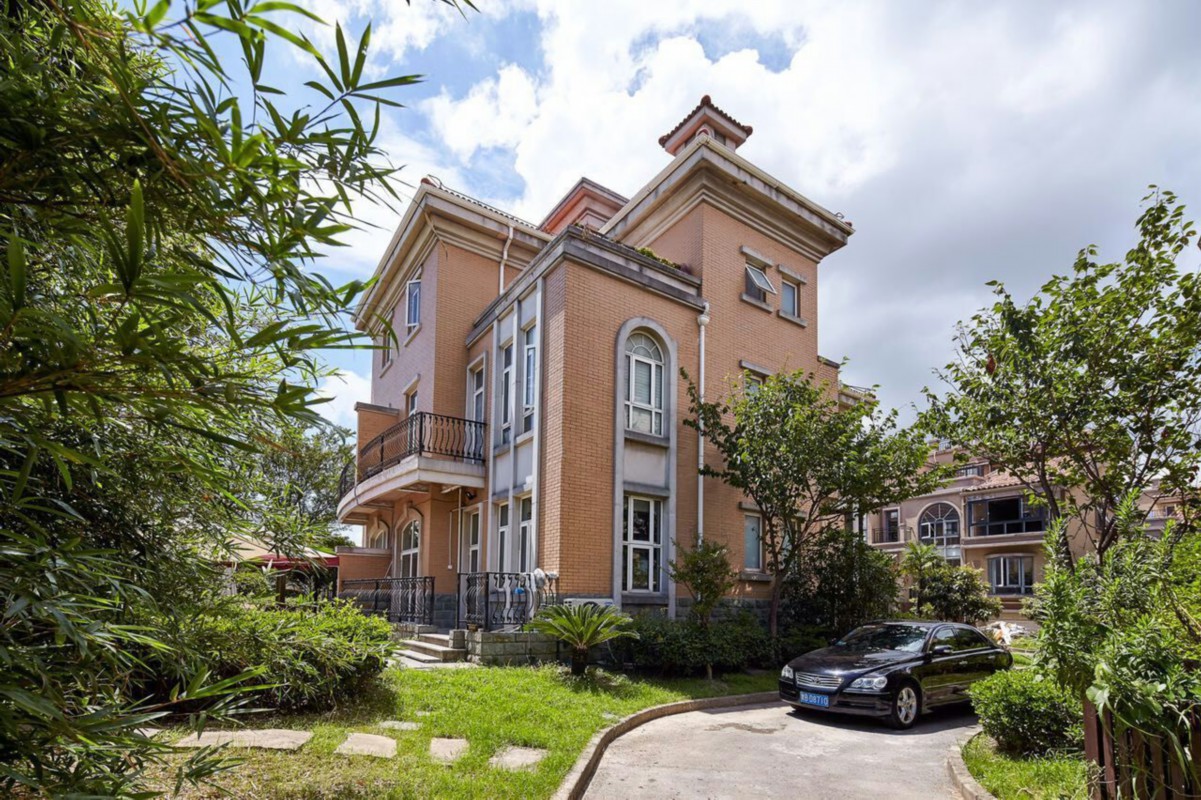
Classic Elements of Spanish Exteriors
When it comes to Spanish-style exteriors, a few key elements combine to create that familiar ‘Mediterranean charm’.
Color: From Pure White to Earth Tones
The most classic, of course, is the lime-washed white of Andalusia. This finish, often applied over traditional walls that might incorporate exterior stone cladding, is not just beautiful; it’s also practical, reflecting the intense sun to keep interiors cool. Beyond white, warm ochre, terracotta, and cream tones are also very common, especially in the Castile region and northern Spain. These earthy colors give buildings a solid, grounded feel, allowing them to blend seamlessly with the natural landscape. Personally, I love those warm yellow walls; they look especially gentle in the evening light.
Material: The Textural Art of Stucco
Most Spanish villa walls aren’t perfectly smooth. Instead, they feature a rough, hand-applied texture known as a Stucco finish. This plaster material can be shaped into various patterns and is prized for its durability and breathability. Besides Stucco, which is a hallmark of Spanish villa exteriors, stone is another common element, especially for the base of rural villas or as a decorative accent, lending a rustic and solid appearance. While it might just be a dream for now, my ideal house would definitely have stone corners!
Decoration: Details Define the Style
The charm of Spanish architecture also lies in its details. Dark wooden doors and windows, intricate wrought-iron grilles on windows and balconies, and colorful ceramic tiles used as accents all create a beautiful contrast with the rustic walls. While you might be looking into exterior wall painting costs, don’t forget that these decorative touches are just as important. Additionally, the iconic red terracotta roof tiles are an essential feature. Below is a table comparing two common exterior paint types, for those considering a renovation:
| Paint Type | Pros | Cons |
|---|
| Traditional Lime-Based Paint | Breathable, naturally mold-resistant, unique texture | Less durable, limited color options |
| Modern Acrylic Paint | Durable, waterproof, wide range of colors | Less breathable than lime paint, modern finish |
The exterior of a Spanish villa is an art form that blends aesthetics, climate adaptation, and traditional craftsmanship. Which style do you prefer? The pure white look, or the warm earth tones? Feel free to share photos of your own home or beautiful houses in your neighborhood
!
