When I first arrived in Spain, I thought the houses here, especially the villas in the south, all looked pretty much the same: vast expanses of pure white walls topped with red-tiled roofs, looking stunning against the blue sky. But after living here for a while and seeing more, I’ve realized there’s much more to it. It’s not just a matter of being lazy and slapping on a coat of white paint. Today, I’m starting this thread to share some insights I’ve gathered about Spanish villa facades.
The most classic style is, of course, that of the ‘pueblos blancos’ (white towns) in Andalusia. The vast white walls aren’t just for aesthetics; more importantly, they reflect sunlight during the hot summer to keep interiors cool. Besides pure white, many villas along the Mediterranean coast also favor warm tones like beige and light orange, or use local natural stone for the facades, which looks rustic, sturdy, and adds a unique charm.
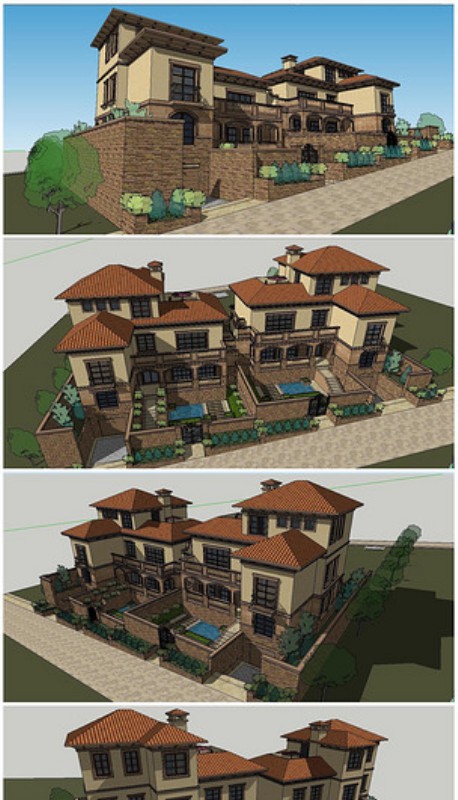
Common Exterior Material Comparison
When it comes to materials, one of the most common is a finish known as Estuco (stucco). It’s not just simple paint, but a textured coating that can create various finishes and is more durable than standard paint. This is why the exteriors of many homes have a granular feel to them. I’ve put together a simple table to compare a few common materials:
| Material Type | Pros | Cons |
|---|
| Stucco | Rich texture, durable, breathable | Complex application, slightly more expensive than regular paint |
| Natural Stone | Extremely durable, good insulation, unique appearance | High cost, requires skilled installation |
| Standard Exterior Paint | Wide color selection, low cost, easy to apply | Poor durability, needs frequent repainting, prone to cracking |
In terms of maintenance, white walls do have a downside—they get dirty easily. This is especially true during a calima event; after it rains, the walls are left with frustrating yellow-brown streaks. That’s why many people opt for washable paint or hire a professional company to pressure wash the walls every few years. If your Spanish villa facade is made of stone, it’s practically a one-and-done solution. Aside from occasional moss growth, it requires very little upkeep, saving you from worrying about the cost of exterior spray painting every few years.
The design of Spanish villa exteriors is a perfect blend of climate, tradition, and practicality. From color to material, there’s a reason behind every choice. What is the facade of your own or rented home like? Do you have any tips or painful lessons learned from maintaining it? Feel free to share your experiences and advice in the comments below!
