For those new to Spain, have you found yourself drawn to those charming houses with their own yards? In Spain, we typically call this type of house a Chalet. It’s more than just a place to live; it represents a completely different pace and way of life. Today, from the perspective of a resident, let’s take a deep dive into what it’s really like to live in a Chalet in Spain.
Common Types of Chalets
First things first, it’s important to understand that Chalets come in several varieties, with significant differences in price and privacy. There are three main types: independiente, pareado, and adosado. To put it simply, an independiente is what you’d typically imagine: a standalone house with its own plot, not attached to any neighbors. A pareado is a semi-detached house, where two homes share a common wall, either back-to-back or side-by-side. An adosado is a terraced or row house, where multiple houses are built side-by-side in a line.
Type Comparison
To make it clearer, here is a simple table for your reference:
| Type | Privacy | Price | Maintenance Cost |
|---|
| Independiente | Highest | Highest | Highest |
| Pareado | High | Medium | Medium |
| Adosado | Standard | Low | Low |
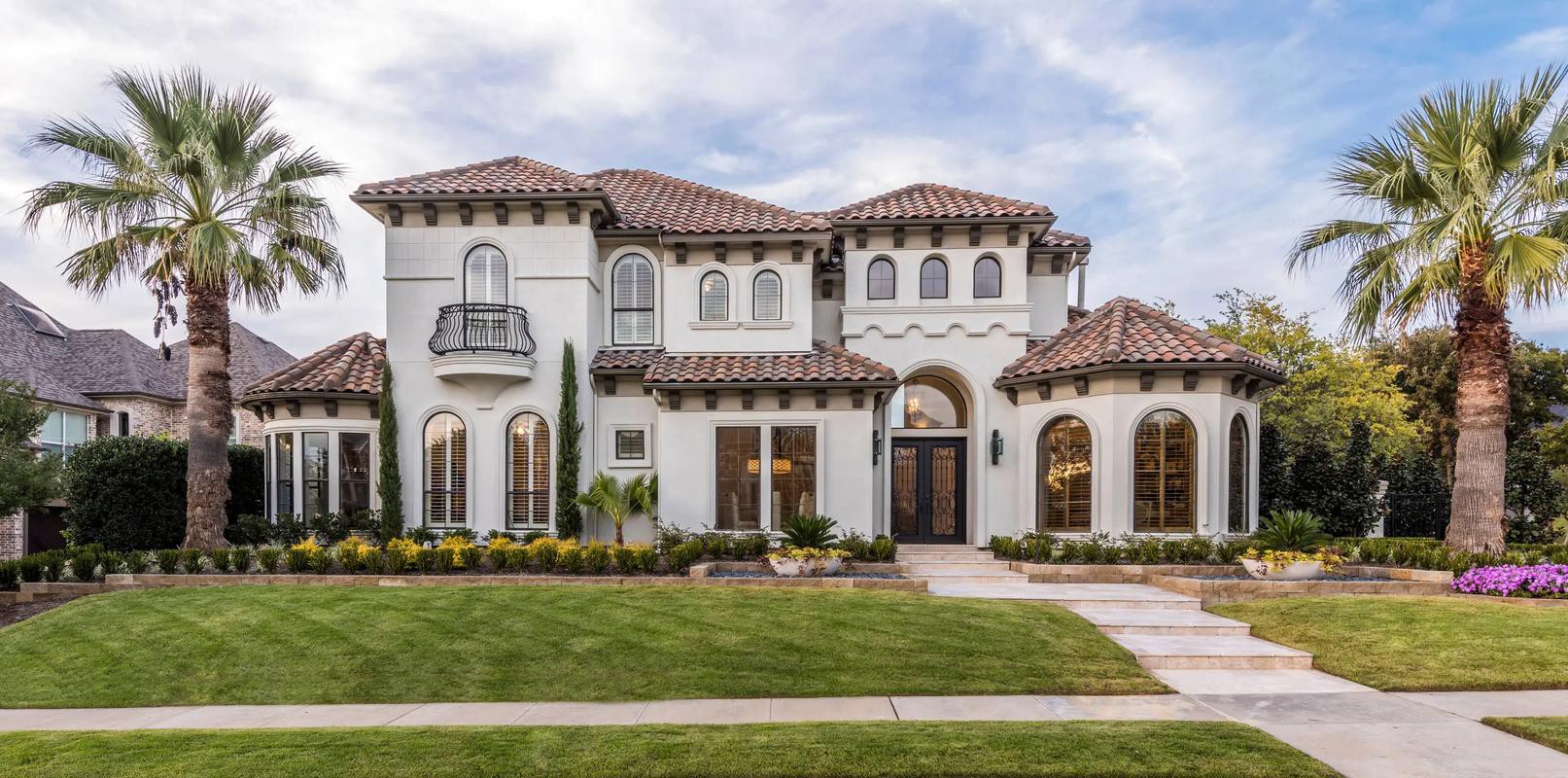
The Joys and Pains of Chalet Living
The biggest draw of living in a Chalet is undoubtedly the space and freedom. Hosting a barbecue (barbacoa) in your own yard on the weekend, letting kids and pets run free, or taking a dip in your private pool during the summer—these are experiences that apartment living simply can’t match. But this beautiful lifestyle comes at a price. Maintaining a garden and pool requires a constant investment of both time and money. Furthermore, most Chalet communities are located far from the city center, making you highly dependent on a car. The time cost of daily commutes and grocery shopping needs to be factored in. The idea that moving into a Chalet means you can just live a carefree, idyllic country life is a bit naive.
Some Advice on Choosing a Chalet
If you’re seriously considering buying or renting a Chalet and are looking into Spanish villa prices(https://www.52spain.com/d/113759-how-much-does-it-really-cost-to-buy-a-detached-villa-chalet-in-spain), there are several crucial points to consider. First is the location. Don’t just focus on the house itself; the proximity to amenities like schools, supermarkets, and medical centers is vital. Second, if the Spanish detached villa(https://www.52spain.com/d/113760-buying-a-dream-home-in-spain-a-look-at-some-detached-villa-areas-ive-explored) is an older property, be sure to have a professional assess its structure, plumbing, and electrical systems. Otherwise, the subsequent renovation costs could become a bottomless pit, a far cry from the dream of owning a picturesque Spanish countryside villa(https://www.52spain.com/d/113761-spanish-countryside-villas-more-than-just-a-rustic-dream). Finally, be sure to meticulously check all legal documents for the house, such as the property deed (escritura), certificate of occupancy (cédula de habitabilidad), and energy performance certificate (certificado energético), to ensure everything is legal and avoid future trouble.
Choosing a Chalet means opting for a lifestyle closer to nature and more focused on family life. It has its unique charms, but also its real-world challenges. The key is to determine if it aligns with your and your family’s current needs and life plans. Do you have experience living in a Chalet? Or any questions? Feel free to leave a comment below and join the discussion!
