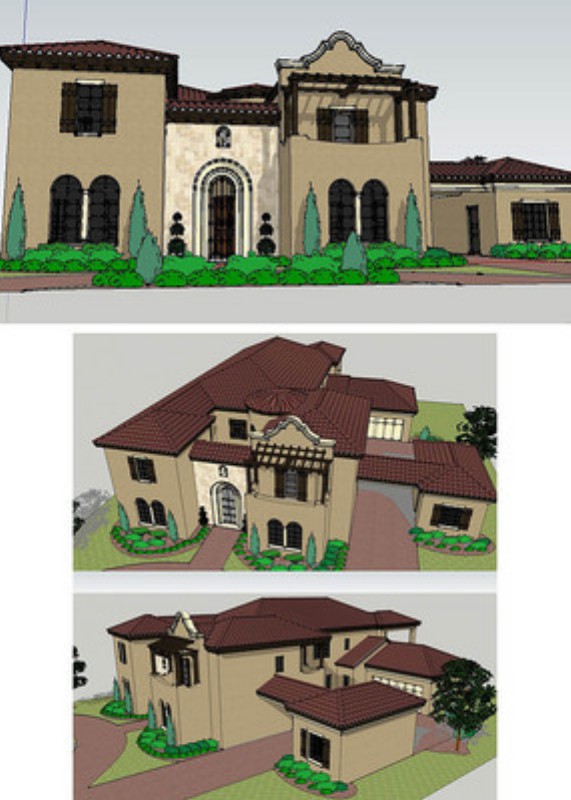
Starting a thread to talk about building your own house in the Spanish countryside. After living in Spain for so many years, I’ve always dreamed of having my own Finca, planting some olive trees, raising a couple of dogs, and having weekend Barbacoas. Last year, I finally took the plunge and started the whole process, beginning with buying the land. The journey has been, well, a story of blood, sweat, and tears a bittersweet adventure. That’s why I wanted to share my experience, much like in this post about a cave house, to give a heads-up to those who come after me and to open a discussion for everyone.
The Hardest Part is Getting Started: Land and Permits
First things first: buying the land. The plot you fall in love with might not be buildable! It’s crucial to confirm whether the land is classified as suelo rústico (rustic land) or suelo urbano (urban land). We chose a plot in the countryside, which was rústico. This means strict limitations on building size, height, and appearance, and the regulations vary by autonomous community. Just confirming these rules with the local town hall (ayuntamiento) took us several months. Next came finding an architect to create the plans and applying for the building permit. During this process, patience is key. Spanish bureaucracy… well, you know how it is.
The Budget, a Bottomless Pit
When it comes to money, this is what everyone cares about most. Don’t just budget for the construction costs! I’ve put together a rough breakdown of expenses, similar to what’s discussed for a Spanish cave house, to give you an idea. This reflects our situation and, like building a Spanish garden, the specific figures will vary depending on the region and the scale of the project:
| Item | Percentage of Total Budget | Notes |
|---|
| Land Purchase | 20% - 30% | Taxes not included |
| Architect/Technician | 8% - 12% | Includes design, project management, etc. |
| Permits/Municipal Taxes | 4% - 6% | The ICIO tax is significant |
| Construction | 50% - 60% | The biggest expense; materials and labor |
| Other | 5% | Utility connections, landscaping, etc. |
Overall, you must set aside a contingency fund of 15%-20% in your budget, because unexpected expenses will always pop up.
Finding the right people can literally save you. A reliable architect not only helps you design your dream home but, more importantly, is familiar with local regulations, can handle all the permit applications for you, and will supervise the construction team. The construction team is absolutely critical. We interviewed three and ultimately chose the one with a mid-range price but the best reputation. Never go for the cheapest option. Review their past projects and talk to their former clients—this homework is essential.
The entire process, from buying the land to moving in, took us a year and a half—six months longer than we had anticipated. Although there were countless moments when we wanted to give up, when we finally got the keys and had that first cup of coffee in our own yard, it all felt worth it. If you share this dream, my advice is: do your homework thoroughly, and be prepared with plenty of patience and a solid budget. I hope my experience can help you all! Feel free to ask any questions—see you in the comments!
