Hello everyone, I’ve been a long-time lurker here. The renovation of our Finca is finally starting to take shape, so I decided to start a thread to document the process and exchange experiences with you all. I believe many of you, like me, dream of owning an old stone house in the Spanish countryside, waking up to sunshine and birdsong every day. But the journey from getting the keys to actually being able to move in has been, well, a tale of woe a true spiritual journey.
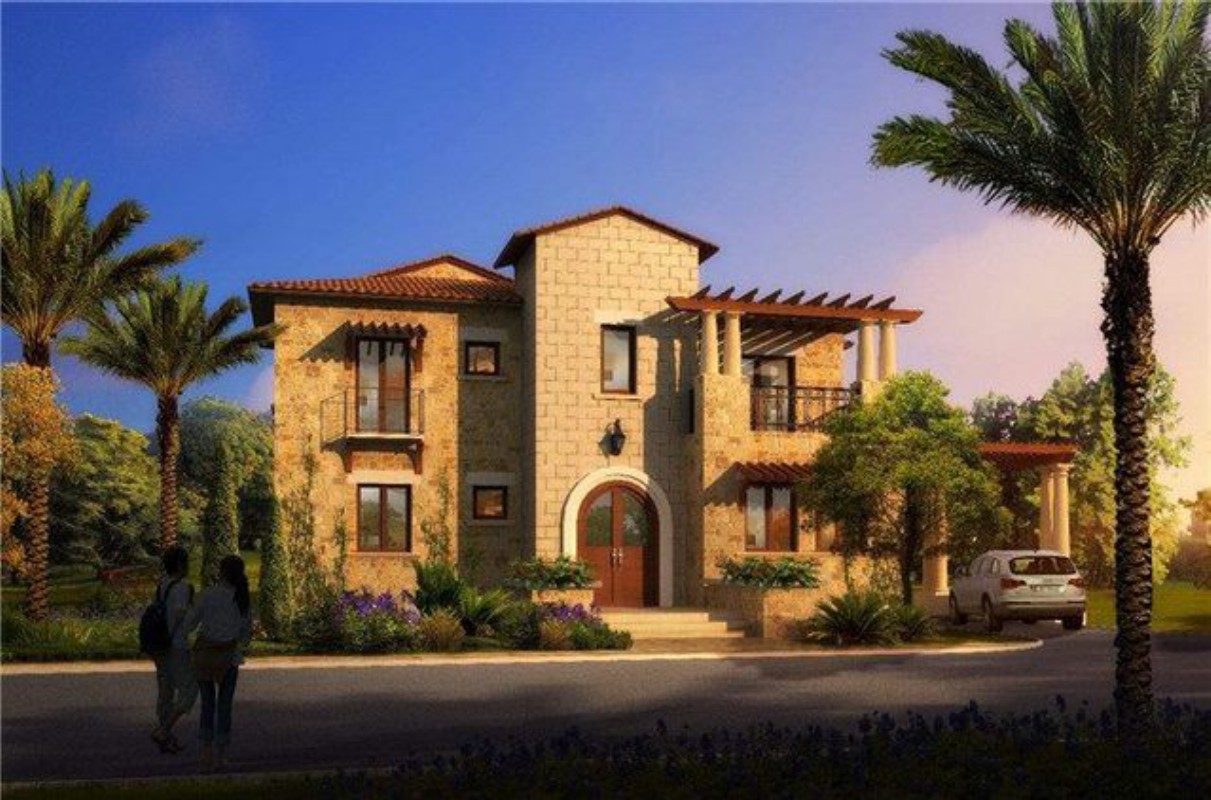
Licencia de Obra - The Long Road to a Building Permit
The first and most time-consuming step is applying for the building permit (Licencia de Obra). Don’t underestimate this! Depending on the scale of the work, it’s classified as either an Obra Mayor (major works) or Obra Menor (minor works). Since our project involves structural changes, it’s definitely an Obra Mayor. You need to hire an architect to create the drawings and plans, then submit them to the local town hall (Ayuntamiento). Patience is key during this process. Our application took nearly 8 months to get approved, with various requests for additional documents along the way. So, if you buy a property and hope to start work immediately, it’s practically impossible, even for unique properties like cave houses or the affordable Spanish cave houses you might have heard about.
The Dilemma of Choosing Materials and Style
We really wanted to preserve the original character of the old house, like the exposed stone walls, wooden beams, and terracotta floor tiles. But the reality is that the old house had very poor insulation and damp proofing. In the end, we decided to add a layer of insulation to the interior walls but kept one accent stone wall. We replaced all the windows with double-glazing. Although expensive, this was a necessary expense to avoid freezing in the winter. Finding a balance between preserving the style and ensuring modern comfort is incredibly difficult.
A renovation budget can be a bottomless pit, especially in a place like Spain where labor costs are not low. We created a very rough budget allocation table to give those who are considering it a reference. Of course, the specific situation varies greatly depending on the region and the house.
| Item | Budget Allocation |
|---|
| Permits & Architect Fees | 10% - 15% |
| Building Materials | 30% - 40% |
| Labor Costs | 40% - 50% |
| Miscellaneous | 5% |
And most importantly, find a reliable construction team (contratista). In rural areas, recommendations are usually spread by word of mouth. Ask your neighbors or inquire at local building supply stores. Before signing a contract, make sure every item and its price is listed in black and white. Be wary of those who give you an exceptionally low verbal quote
! Our foreman is an experienced local man. While his price wasn’t the cheapest, his work is meticulous, which has saved us a lot of stress. I hope my experience can be helpful to you all, and I welcome any veterans here to share more tips in this thread, perhaps even about creating a beautiful Spanish garden
! ¡Ánimo a todos
!
