There have been a lot of posts about lifestyle on the forum lately, so I thought I’d chime in. Many people have a romanticized idea of Spanish villas: sunshine, a pool, a garden… it seems like the ultimate dream for retirement or vacation. But is the reality of [buying a Spanish villa] really that perfect? As someone who has lived here for a while, I want to share some of my observations and feelings.
Undeniably, the experience of owning a villa is fantastic. The biggest benefits are the sense of space and freedom. Having a barbecue in your own yard on the weekend or jumping into the pool for a swim is a kind of comfort that’s hard to find in an apartment building. This is especially true in places like the Costa del Sol or the Costa Blanca, where many villas are designed to be very open with excellent natural light. There’s also plenty of room to entertain friends, and it’s much more convenient for pet owners.
But there’s always a flip side. Villa maintenance is no small task. The pool needs regular cleaning and water changes, and the garden requires weeding and pruning—all of which cost time and money. Additionally, property taxes are typically higher than for apartments. Many people only look at the purchase price and overlook these ongoing ownership costs. It’s a mistake to think you can just buy it and forget it. Moreover, most villa communities are located some distance from the city center, making it almost impossible to get around without a car.
How to Choose? Key Points
Location and Budget
Coastal or inland—this is a major decision. I’ve made a simple comparison for your reference:
| Consideration | Pros | Cons |
|---|
| Coastal Villa | Beautiful scenery, potentially higher rental yields with favorable Spanish villa prices | Expensive, crowded with tourists in summer, humid environment |
| Inland Villa | More affordable, quiet environment, closer to local life | Less convenient for transport, fewer amenities |
New Build or Resale?
New builds have modern designs and are energy-efficient, but they are often in more remote locations with developing communities. Resale properties offer more choices in established areas, but as you’ll see when comparing Spanish villas, they may require significant renovation costs. It all comes down to personal trade-offs.
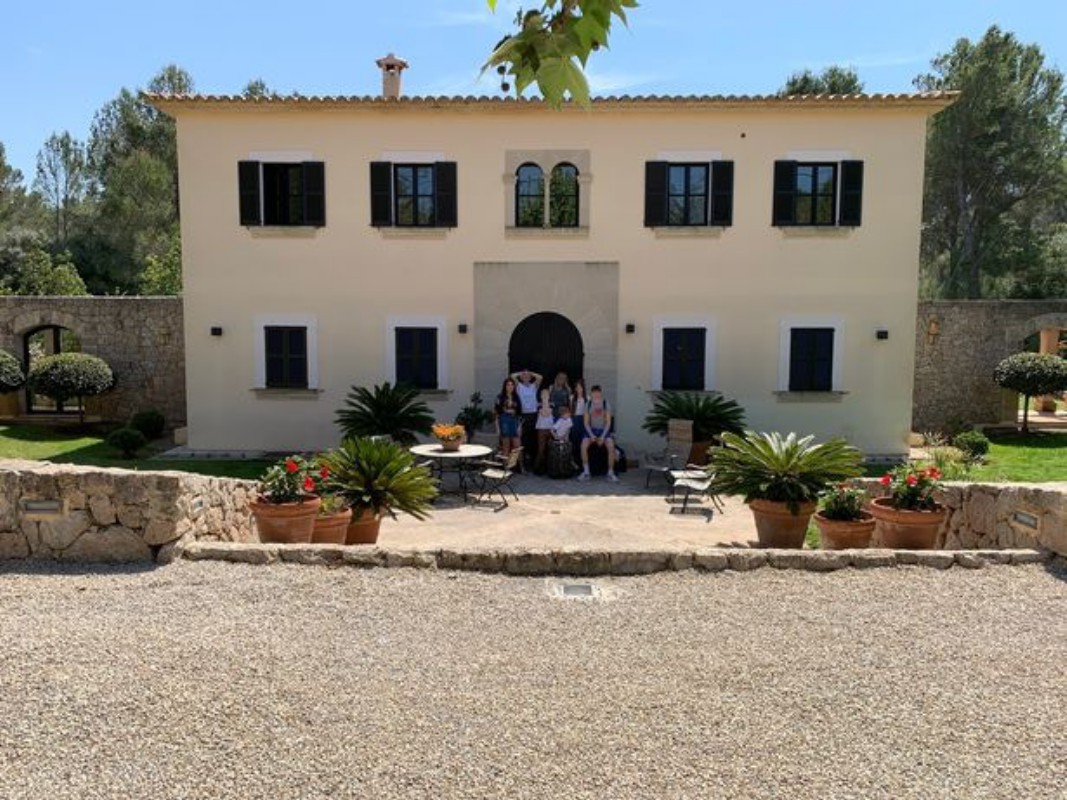
Buying a villa in Spain is a major decision. It’s not just about purchasing a property; it’s about choosing an entirely new way of life. It’s crucial to do your homework beforehand—view many properties, ask plenty of questions, and ideally, hire a reliable lawyer to oversee the entire process. I hope my sharing has been helpful to you!
Do any of you have any interesting experiences from your property viewings? Or any favorite areas you’d recommend? Feel free to leave a comment below and join the discussion!
