When I first moved to Spain, one of the things that gave me the most peace of mind was its healthcare system and the availability of [Spanish medical supplies]. With a small health card, seeing a doctor and getting medication is convenient, and most of it is free. When chatting with friends, everyone praises Spain’s great medical benefits, but few know that this system we now take for granted actually took centuries to develop.
From the Middle Ages to Modern Times: The Patronage of Church and Charity
In the earliest days, like in the rest of Europe, healthcare was primarily in the hands of the Church. The concept of a ‘hospital’ as we know it didn’t exist; Spanish healthcare was delivered through hospices attached to monasteries, which primarily offered shelter and basic care for the poor, pilgrims, and the sick, providing rudimentary Spanish medical supplies. It was more of a charitable act than modern medicine. Doctors were scarce, and treatments varied wildly. It wasn’t until the 18th and 19th centuries, with the Enlightenment and scientific advancements, that medicine began to stand on its own. Some hospitals funded by the monarchy or local governments started to appear, but their scale and coverage remained very limited.
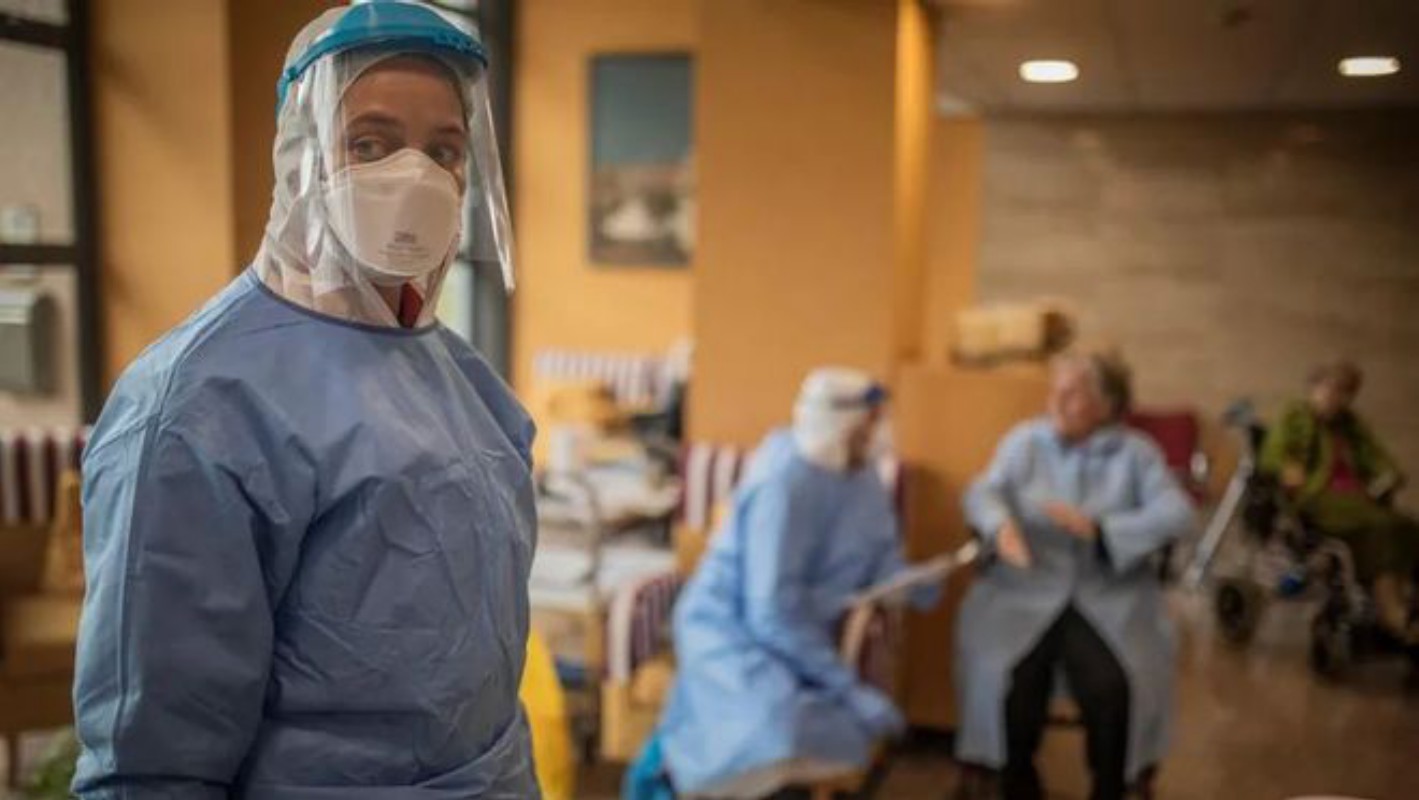
The 20th Century Turning Point: The Dawn of Social Insurance
The real transformation occurred in the 20th century. Although the Franco era is controversial in many respects, in the field of healthcare, a compulsory social insurance system was established to maintain social stability. This system, created in 1942, required all workers to be insured. It can be seen as the prototype for Spain’s universal healthcare, providing basic medical coverage to ordinary workers for the first time. However, the system’s coverage was incomplete, mainly protecting the salaried class while leaving out many farmers, self-employed individuals, and homemakers.
The Democratic Transition and the Birth of Universal Healthcare
After Franco’s death in 1975, Spain embarked on its democratic transition. One of the new government’s top priorities was social welfare reform. In 1986, the Spanish Parliament passed the landmark General Health Law (Ley General de Sanidad), officially establishing the National Health System we know today. The core principle of this law is that healthcare is a universal right for all citizens, not a work-based benefit. It consolidated the previously scattered and fragmented insurance systems, achieving universal and equal access to medical services. From that point on, regardless of your profession, income, or social status, as long as you are a legal resident in Spain, you are entitled to free public healthcare services.
To give you a clearer picture of this evolution, I’ve created a simple table:
| Period | Healthcare Model | Key Features |
|---|
| Middle Ages - 18th Century | Church Charity Model | Care provided by monasteries; non-medical in nature |
| 19th - Early 20th Century | Fragmented Development | Emergence of a few public hospitals with very limited coverage |
| Franco Era | Compulsory Social Insurance | Covered the working class; a prototype for universal healthcare |
| 1986 - Present | Universal Healthcare | A universal right for everyone: free, accessible, and equal |
Knowing this history, doesn’t the health card in your hand feel a little more significant? It’s not just a pass to see a doctor; it’s a symbol of social progress that generations fought to achieve. If you have any personal experiences or thoughts on Spanish healthcare, feel free to share them in the discussion below!
