I was recently chatting with a friend studying medicine in Spain and stumbled upon a super interesting fun fact: in Spain, herbal medicine is actually a legitimate academic discipline you can study at a university! This completely shattered my stereotype of European medicine being all about pharmaceuticals and sparked a deep interest in this ancient field.
What is Phytotherapy?
First off, let’s be clear: this isn’t the kind of traditional, trial-and-error folklore you might imagine. In Spain, phytotherapy (or Fitoterapia) is grounded in modern science. It involves the systematic study of the medicinal properties of plants, their active ingredients, pharmacological effects, and clinical applications. Students need to learn a range of rigorous subjects like botany, chemistry, and pharmacology, making it an interdisciplinary field that combines traditional wisdom with modern technology. It’s highly recognized in Europe, especially in Germany, France, and Spain, where it’s considered an important complementary part of the modern healthcare system.
Which Universities Offer It?
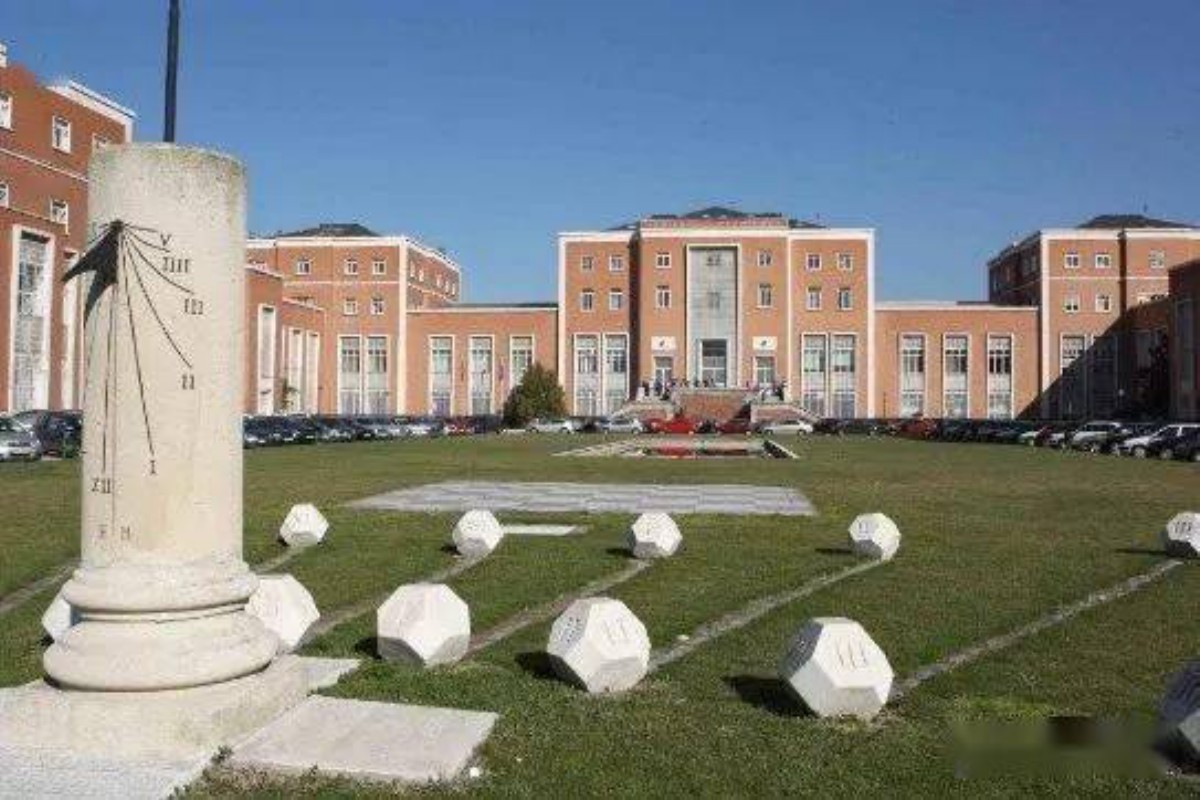
While it’s not a standard offering at every university like business or law, quite a few institutions offer phytotherapy-related courses, often as part of their pharmacy programs in Spanish universities. Many of these are postgraduate programs aimed at professionals who already have a background in medicine. For instance, renowned institutions like the University of Barcelona and the University of Navarra have offered related master’s or specialist degrees. For the general public wanting to learn more, as opposed to pursuing a full degree in pharmacy studies in Spain, some community colleges and professional training centers also offer more introductory and practical short-term courses. These are perfect for anyone looking to enhance their well-being and understand natural therapies.
The curriculum is quite rigorous—it’s definitely not as simple as just learning to identify a few flowers and plants. I looked up some information, and the general course structure looks something like this:
| Core Subject Area | Brief Description of Content |
|---|
| Phytochemistry | Analyzing the active chemical compounds in medicinal plants. |
| Pharmacology & Toxicology | Studying the mechanisms of action and safety of herbs on the human body. |
| Clinical Application | Learning how to use herbs to prevent and treat common illnesses. |
| Regulation & Quality Control | Understanding EU and Spanish regulations and production standards for herbal products. |
Career prospects after graduation are also quite broad. And no, you don’t just go foraging in the mountains for herbs after getting your degree, haha. Graduates can work in the herbal consultation departments of pharmacies, for health food companies, in the R&D of dietary supplements, for specialized media, or in research institutions. With the growing public interest in nature and healthy lifestyles, professionals in this field are actually becoming more and more in demand.
What are your thoughts on a major like this? Do you see it as a fascinating path of exploration, or does it strike you as a bit ‘woo-woo’? Let’s discuss in the comments below!
