Hello everyone on the forum! I’ve recently seen some questions about science majors in Spain. As a Pharmacy graduate myself, I thought I’d share what it’s really like to study Pharmacy here, hoping to provide some useful insights for future students.
I initially chose Pharmacy because it’s a highly technical field and also because it’s considered a “golden ticket” profession throughout Europe. The quality of pharmacy education in Spain is excellent, and degrees are recognized across the EU. This opens up many career paths, whether you decide to stay and work here or move to another European country.
Application Difficulty and Academic Pressure
However, this promising future comes with extremely high admission requirements and immense academic pressure. In the Spanish university entrance exams (Selectividad/EBAU), Pharmacy consistently has one of the highest entry scores, making it a perennially popular major, much like how competitive clinical medicine is in some countries. While international student applications aren’t solely based on scores, there are still strict requirements for your high school grades and language proficiency.
The curriculum revolves around various branches of chemistry, biology, and physiology—organic chemistry, biochemistry, pharmacology… it feels like you’re taking exams from the first day of the semester to the very last. There are tons of lab classes, and you’ll often spend entire afternoons in the lab (by the way, for those interested, there are even fascinating specializations like Herbal Medicine at Spanish Universities). Trying to just scrape by and graduate is impossible basically out of the question; you have to be prepared to hit the library every single day.
Top University Recommendations and Career Paths
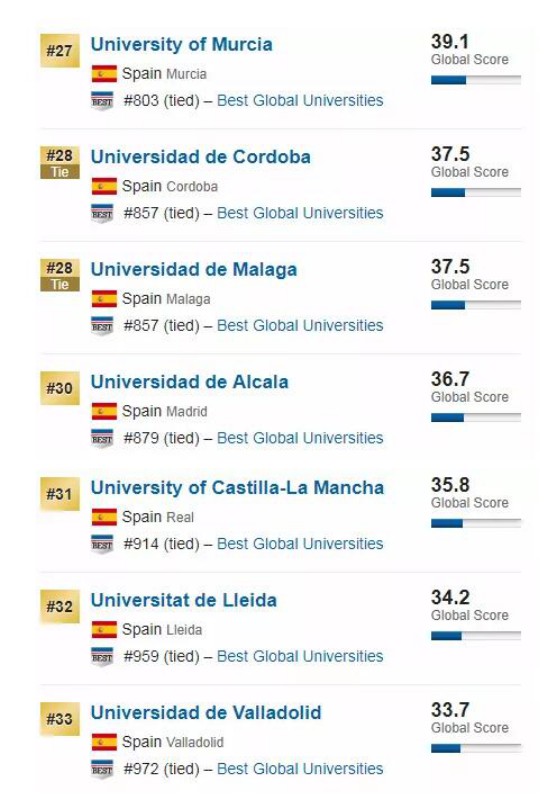
When it comes to top schools, several Spanish universities have highly-regarded faculties of pharmacy. Here is a simple table for your reference:
| University | Location | Highlights |
|---|
| Complutense University of Madrid | Madrid | Ranked #1 in Spain, long history |
| University of Barcelona | Barcelona | High QS World Ranking, strong research capabilities |
| University of Granada | Granada | Top choice in the southern Andalusia region |
| University of Navarra | Pamplona | Leading private university, elite education |
What Can You Do After Graduation?
Career paths after graduation are quite broad. The most common choice is to become a pharmacist in a community pharmacy (farmacia), which offers a stable income and a respected position. Another option is to work in a hospital pharmacy, but this requires passing a highly competitive national exam known as the FIR (Farmacéutico Interno Residente), which is as challenging as top-tier postgraduate entrance exams in other countries. Of course, you can also join large pharmaceutical companies like Pfizer or Novartis, which have branches in Spain, working in R&D or sales. Regardless of the path, you must be registered with the local Official College of Pharmacists (Colegio Oficial de Farmacéuticos).
In conclusion, studying pharmacy in Spain is a high-investment, high-reward choice. If you are passionate about biochemistry and have the perseverance to get through those thick textbooks, then Pharmacy at a Spanish University is definitely a golden major worth considering. I hope my sharing has been helpful! If you have any questions, feel free to leave a comment below, and let’s discuss!
