I’ve noticed a lot of discussion on forums recently about choosing a major, but it seems few people mention Pharmacy, which is a real hidden gem. I happen to have a friend studying it at the Complutense University of Madrid, so today I’m here to share some insider information about what it’s really like to study Pharmacy in Spain.
Why recommend Pharmacy? Because in Spain, it’s considered a very secure career. As a regulated profession, graduates have excellent job security, social standing, and good income. Furthermore, Spain’s biomedical sector is highly ranked in Europe, and the quality of education is excellent. The curriculum is very scientific and systematic, with a great balance between theory and practice, unlike some majors that can leave you feeling unprepared after graduation. Of course, graduating successfully requires a ton of hard work; cruising through is not an option.
Applications and Curriculum
Application Requirements
To apply for an undergraduate Pharmacy program, you’ll need high scores from your university entrance exams (e.g., Selectividad, or your home country’s equivalent), with a strong emphasis on science subjects, especially Chemistry and Biology. If you’re aiming for top universities, your scores will need to be particularly competitive. For a Master’s degree, admission depends on having a relevant undergraduate background, a good GPA, and strong language proficiency.
Core Curriculum
The field of Pharmacy is incredibly broad, covering almost everything related to chemistry and biology. Here are some examples of core courses to give you an idea:
| Course Category | Example Courses |
|---|
| Chemistry-related | Química Orgánica , Química Farmacéutica |
| Biology-related | Biología Celular , Fisiología Humana |
| Core Pharmacy | Farmacología , Tecnología Farmacéutica |
| Professional Practice | Estancias en Oficinas de Farmacia |
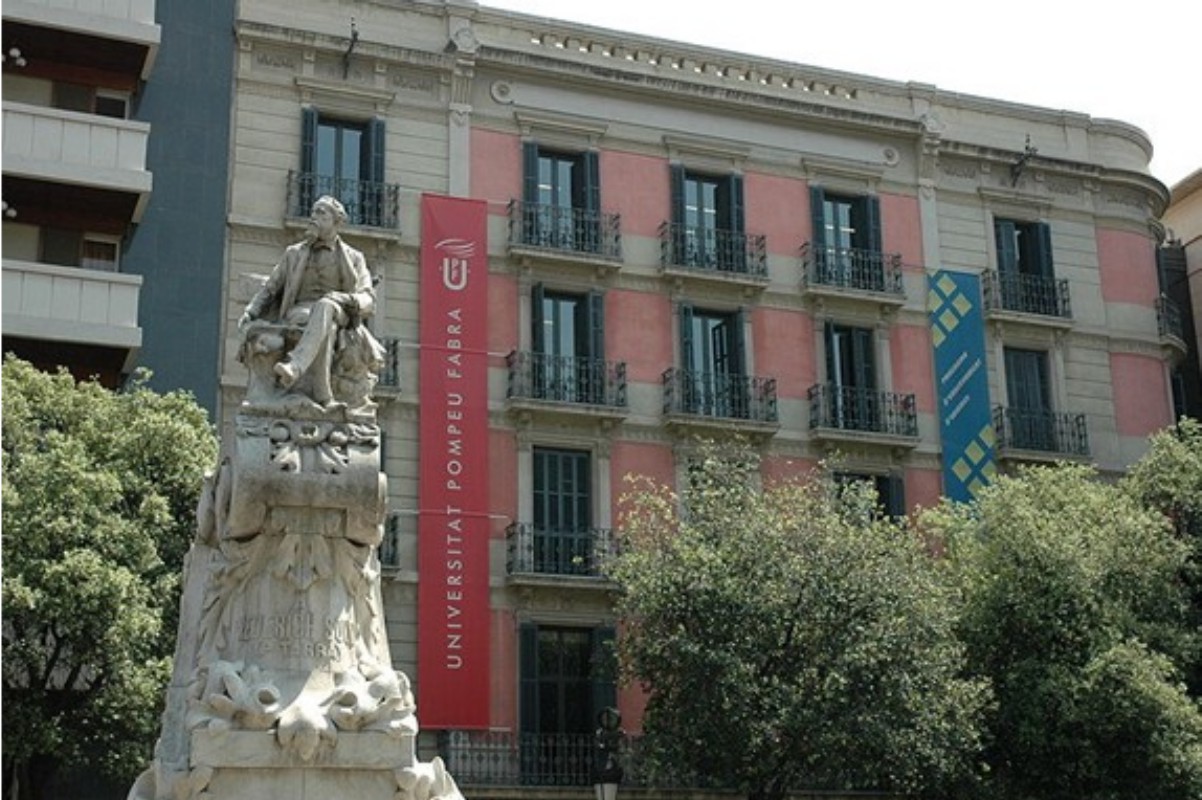
When it comes to top universities for Pharmacy, a few powerhouses stand out. The faculties of Pharmacy at the Complutense University of Madrid and the University of Barcelona are among the best in Spain and even Europe, boasting long histories and strong research capabilities. Additionally, the pharmacy programs at the University of Granada, the University of Salamanca, and the University of Navarra are also excellent, each with its own focus and with slightly less intense competition for admission. The picture above is the building of the Faculty of Pharmacy at Complutense, which has a very academic feel.
So, what can you do after graduation? Don’t assume the job is as simple as just dispensing medicine in a community pharmacy; the field is much broader, even including niche areas like Herbal Medicine in Spanish Universities! There are so many career paths
! Besides working as a community pharmacist, a typical role for a graduate of the Pharmacy major in Spain
, you can also go into hospital pharmacies, join large pharmaceutical companies for R&D, production, or regulatory affairs, work in specialized analytical labs, or pursue a research career in universities and research institutions. In summary, while studying Pharmacy can be stressful enough to make you pull your hair out, the career prospects are truly promising. I hope this provides some helpful reference for students struggling to choose a major! If you want to know anything else, feel free to leave a comment and discuss below!
