Lately, there have been more and more posts on the forum about children’s schooling, especially regarding international schools. My eldest will be at that age next year, so I’ve spent a lot of time researching several international schools around Madrid—it’s been driving me crazy. Since it seems like a hot topic, I decided to compile the information I’ve gathered about Spanish international schools and share it with fellow community members who might need it. I’d also love to hear from those with experience, so let’s discuss it together.
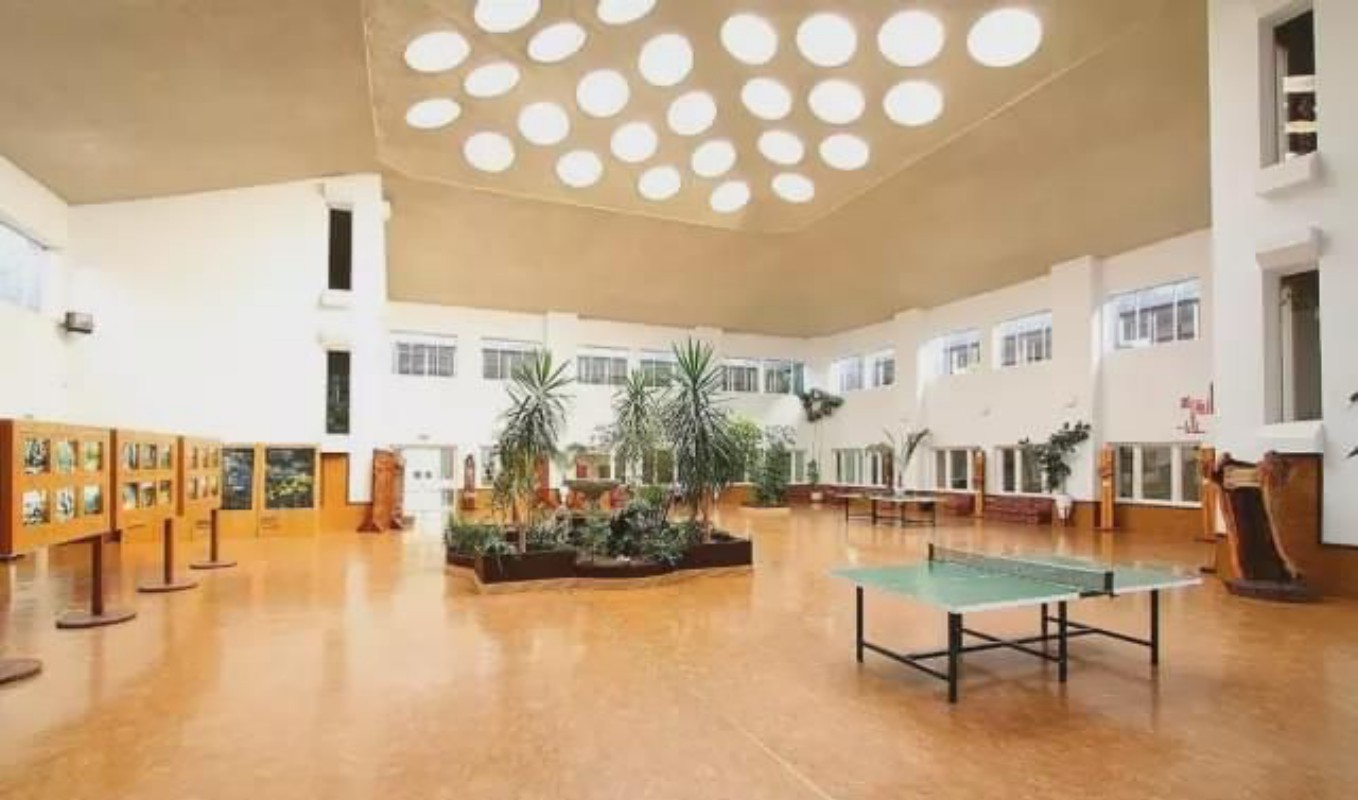
How to Choose a School? First, Understand the Curriculum!
The world of international schools in Spain can be quite tricky, as they aren’t standardized like public schools. The very first step in choosing a school is definitely to look at the curriculum, as this will determine your child’s future university pathway. The main options are typically British, American, and the IB programme.
- British Schools: These follow the National Curriculum of England. Students take IGCSE and A-Level exams, preparing them for universities in the UK and Commonwealth countries. The curriculum is rigorous with a strong academic focus.
- American Schools: The curriculum is more flexible, emphasizing well-rounded development and creativity. Students graduate with a U.S. High School Diploma and typically take the SAT or ACT, making it suitable for families aiming for American universities.
- IB Programme Schools: This is the most globally recognized curriculum, and also the most challenging. It demands strong academic and independent research skills from students. An IB Diploma is accepted by top universities worldwide, but it’s not a fit for every child, as the pressure can be intense.
Application Process and Timeline
Most international schools have a rolling admissions policy, but spots at popular schools are highly sought-after, so I recommend starting your preparation and application at least one year in advance. Don’t wait until just before the school year starts, as you’ll have little to no chance by then.
| Key Milestone | Recommended Action |
|---|
| Sept-Nov (Year Before Entry) | Attend school Open Days, visit campuses, and finalize your shortlist of target schools. |
| Dec-Feb (Year Before to Year of Entry) | Submit application materials and pay the application fee. Don’t just fill out the forms; put thought into the family information and your child’s profile. |
| Mar-May (Year of Entry) | The school will schedule assessments and interviews. For younger children, it’s mainly play-based observation; older students will have written tests and formal interviews. |
| May-Jun (Year of Entry) | Receive acceptance letters and pay the deposit by the deadline to secure the spot. |
Application Materials and Interview Prep
The required application materials are pretty standard: application form, identification for the child and parents, past school reports/transcripts, vaccination records, and letters of recommendation. The key document is the school report. If your child is transferring from another country to a Spanish international secondary school, it’s best to have it translated and notarized in advance. The interview is a crucial step, and it’s not just for the child—they are interviewing the parents too. Schools place great importance on whether a family’s educational philosophy aligns with their own. They will ask questions like ‘Why did you choose our school?’ and ‘What are your future plans for your child?’ Parents must demonstrate their knowledge and appreciation of the school, including details like their [Spanish international secondary school uniforms], rather than looking clueless.
In short, applying to an international school is a major undertaking that requires careful planning at every stage, from school selection to interview preparation. I hope this information helps everyone, and I welcome parents with experience to add their insights, especially about the schools in Barcelona—I’m very curious about those too!
