I’ve been in Spain for a few years now and have always dreamed of having a little house facing the sea. I recently made it happen! The process wasn’t overly complicated, but there were definitely a few pitfalls. I’ve noticed this topic doesn’t come up much on the forums, so I decided to start a thread to share my experience. I hope it helps others with the same dream.
Location and Budget
Spain has such a long coastline, with vastly different styles and prices from north to south. Personally, I prefer the southern Costa del Sol. It’s sunny, the expat community is relatively established, and daily life is convenient. Places like Marbella and Estepona are popular areas. Of course, the Basque Country and Galicia in the north are also beautiful, but the climate is cooler and rainier. My advice is, you absolutely must go and stay for a few days
! Online pictures are one thing, but the actual living environment, community atmosphere, and transport links are what truly matter. In terms of budget, besides the price of the coastal property in Spain
itself, you also need to factor in at least 10%-15% for taxes and miscellaneous fees, which I’ll detail later.
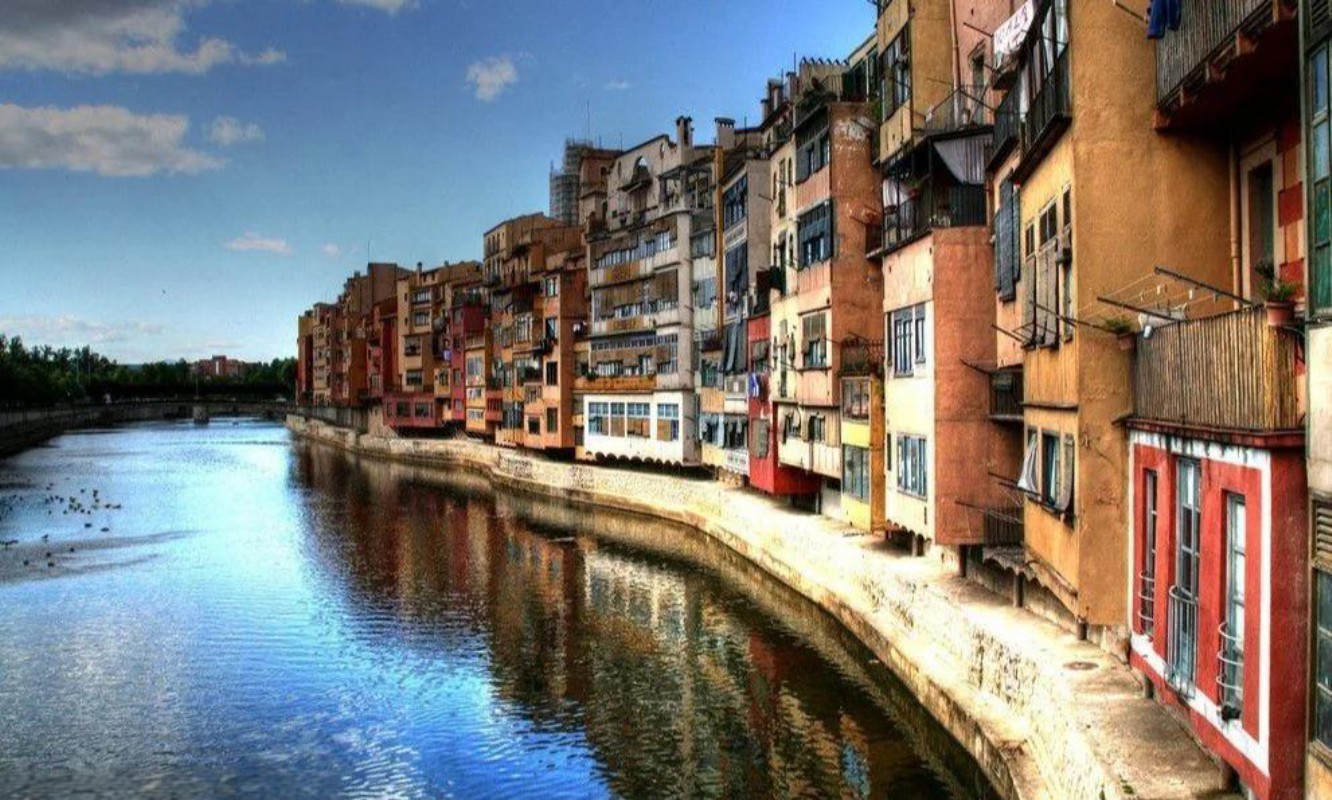
Finding and Viewing Properties
There are two main channels for finding properties: the websites Idealista and Fotocasa. They cover most of the listings on the market and are very comprehensive. Another option is to find a reliable real estate agent. The advantage of an agent is that they can offer more localized advice and can help you handle a lot of the tedious details when searching for a coastal property in Spain. However, you need to be discerning when choosing an agent—talk to several and compare them. When viewing a property, look beyond the house itself. Check the surrounding amenities like supermarkets, hospitals, and schools, and try to get a feel for the neighbors. For coastal homes in particular, it’s crucial to check for any signs of water damage or mold on the walls, as humidity is high by the sea.
Key Procedures and Taxes
Once you’ve found a property you love and agreed on a price, it’s time to start the legal process. It’s highly recommended to hire an independent lawyer for this. Never share a lawyer with the seller or the agent; it can lead to major problems if issues arise. Your lawyer will conduct due diligence on the property to ensure it’s free of debt and has a clear title. The general process looks like this:
| Step | Key Task |
|---|
| Reservation Contract | Pay a deposit to reserve the property |
| Apply for NIE & Bank Account | Essential for foreign buyers; your lawyer can assist |
| Prepare Funds | Transfer the purchase funds to your Spanish account |
| Sign the Public Deed | Sign the final contract at the notary and pay the balance |
| Property Registration | Register the property in your name |
Regarding taxes, for a resale property, you’ll mainly pay ITP (Property Transfer Tax), with rates varying by region, typically between 6% and 10%. For new builds, you pay IVA (VAT), which is a fixed 10%. In addition to these, there are notary fees, registry fees, and lawyer fees. These costs add up, so make sure you have enough room in your budget
!
Buying a coastal property in Spain is a wonderful experience, but it also requires some know-how. The more homework you do upfront, the smoother the process will be later on. I hope my experience offers some useful insights. Feel free to discuss and share your own experiences, and if you have any questions, just ask in the comments below—I’ll do my best to answer when I see them. Wishing everyone the best in finding their dream home soon!
