I recently took a trip to Manila, Philippines. I was initially going for the sun and sand, but in the city center’s Walled City (Intramuros), I discovered a place that made me feel like I had been instantly transported to Spain. It wasn’t a grand church or a castle, but a university that is still in use today—the Colegio de San Juan de Letran, which is also known locally as the ‘Walled City University’.
The history of this school is astounding. Founded by Spanish Dominicans in 1620, it boasts a history of over 400 years, making it one of the oldest universities in all of Asia! Just imagine, back then, Spain was under the rule of the House of Habsburg, and the Age of Discovery was at its peak. This school is a living testament to Spain’s efforts to spread its culture and faith in the Far East during that era.
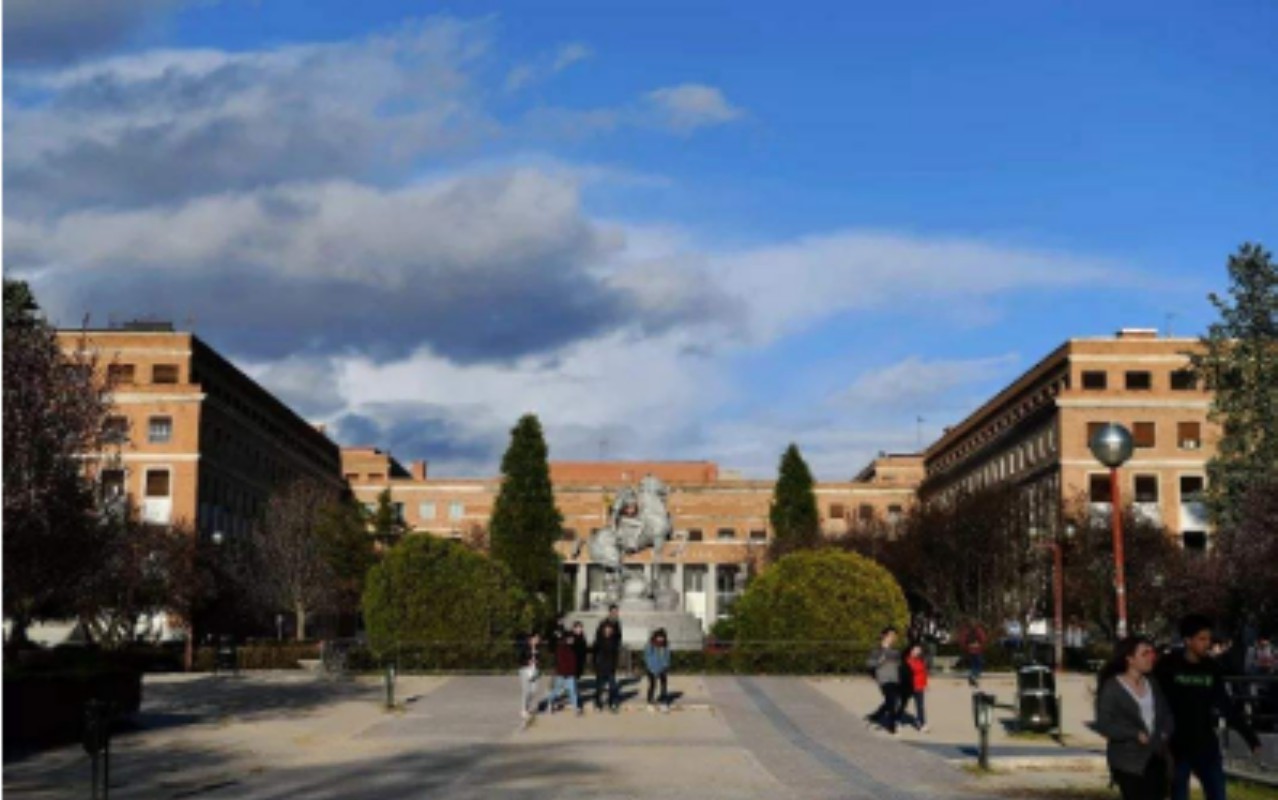
Although tourists aren’t allowed to enter the academic buildings freely, just standing outside and admiring the weathered stone walls, classical arcades, and Spanish-style architecture is breathtaking enough. The entire college has a remarkably quiet and solemn atmosphere, a stark contrast to the bustling, tourist-filled attractions elsewhere in Intramuros. In that moment, it felt as if I were walking through an old district in Seville or Granada; the palpable sense of history was overwhelming, making me marvel at the vast reach of the Spanish cultural sphere.
Practical Information Summary
For those also interested in this piece of history, I’ve compiled some basic information about Spanish universities in the Philippines. This area is the heart of Manila’s Intramuros and is well worth spending half a day exploring.
| Item | Information |
|---|
| Official Name | Colegio de San Juan de Letran |
| Founded | 1620 |
| Founder | Spanish Dominican Order |
| Style | Spanish Colonial Architecture |
| Visiting Tip | Located within Intramuros, can be visited along with Fort Santiago and San Agustin Church. The exterior can be viewed all day. |
This discovery of a Spanish university in the Philippines’ Walled City has given me a more direct understanding of Spain’s historical influence worldwide. It’s not just confined to the Iberian Peninsula but is also deeply etched into the far reaches of Asia. Have any of you been there? Or do you know of other Spanish historical sites in Asia?
