I was chatting with friends recently, and the Philippines came up. Everyone’s first thoughts were of sun, beaches, and English. But what if I told you that the Philippines, home to institutions like a Spanish-influenced university in Manila’s Intramuros, was once the largest Spanish-speaking country in Asia? You might be surprised. As a Spanish learner, this topic instantly sparked my curiosity. I did some digging and discovered something fascinating—the Spanish department at the University of the Philippines.
As we all know, the Philippines was a Spanish colony for over 300 years, until 1898. During this period, Spanish was the official language of government, commerce, and education, and the lingua franca of the elite. Even the seminal works of the Philippine national hero, José Rizal, Noli Me Tángere and El Filibusterismo, were written in Spanish. It’s safe to say that the Spanish language is a vital key to understanding Philippine history and culture.
The Legacy of Spanish at the University of the Philippines
Although English gradually replaced Spanish after the American takeover, the flame of the Spanish language was never completely extinguished. The country’s top institution, the University of the Philippines, has continuously maintained Spanish language teaching and research. Its College of Arts and Letters has a Departamento de Lenguas Europeas (Department of European Languages), where Spanish plays a major role. They not only teach the language but also delve into in-depth research of its related literature, history, and culture, a tradition also upheld at other historical institutions like the University of Santo Tomas.
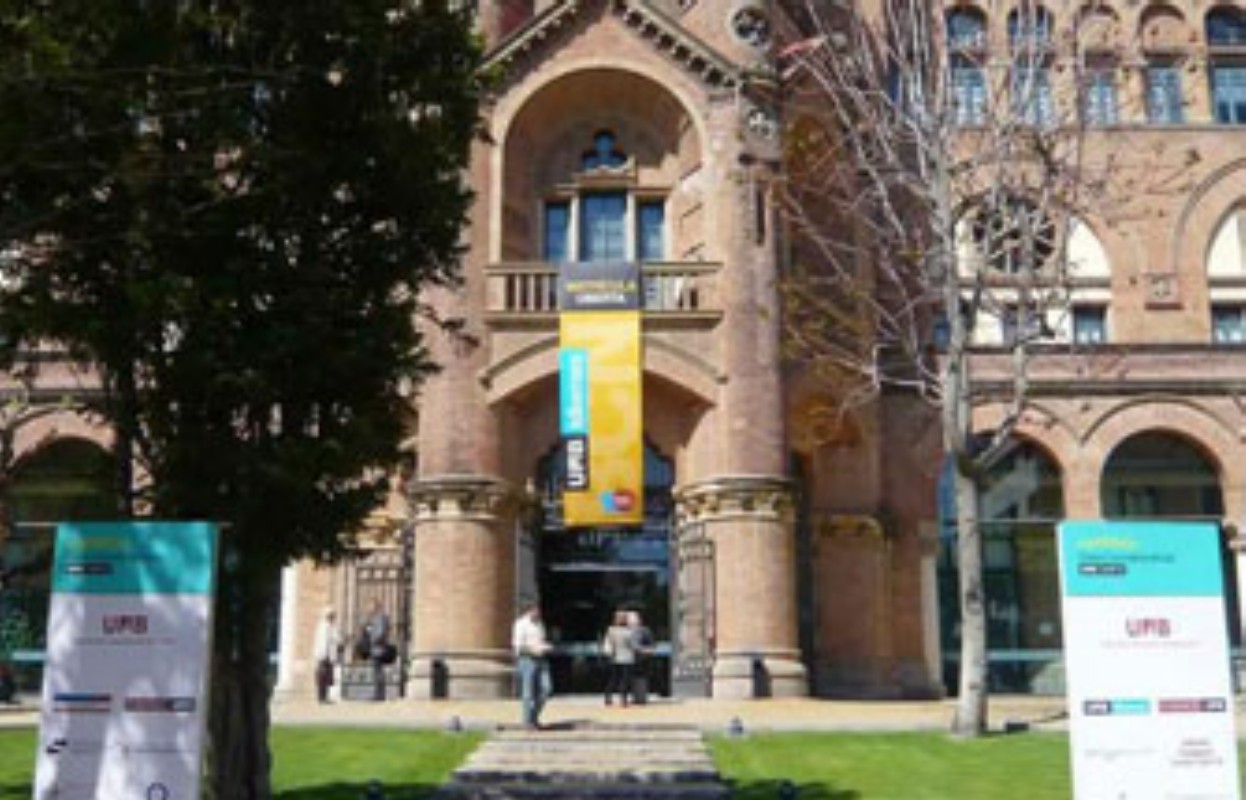
I looked up their curriculum, and it seems very solid—far from the ‘hobby class’ level one might imagine. Beyond basic language skills, they offer many in-depth courses. I’ll share some with fellow curious minds:
Main Course Areas
| Course Area | Key Topics |
|---|
| Linguistics | Spanish Phonology, Syntax, Morphology, Historical Linguistics |
| Literary Studies | Analysis of Spanish and Latin American literary works, with a focus on Rizal’s writings |
| Culture and History | Spanish colonial history in the Philippines, cross-cultural communication, postcolonial studies |
| Professional Applications | Business Spanish, Introduction to Translation and Interpreting |
Seeing this honestly makes me feel quite emotional. Although the percentage of Spanish speakers in the Philippines is very low now, this historical imprint remains deeply preserved in the halls of academia. It makes me think that our perspective as Spanish learners shouldn’t be limited to just Spain and Latin America. What do you all think? Is anyone here who knows more about the Spanish language situation in the Philippines, or is interested in this history? Let’s discuss!
