I was recently watching a documentary about Spanish history and stumbled upon a fascinating fact: the oldest existing university in Asia isn’t in China or Japan, but in the Philippines, and it was founded by the Spanish! Its full name is the ‘Royal and Pontifical University of Santo Tomas,’ which felt like discovering a whole new world.
Located in Manila, the university was established in 1611, a full 25 years before Harvard University. What’s more impressive is that it received the title ‘Pontifical University’ from the Pope in 1645 and was later granted the title ‘Royal University’ by King Charles II of Spain in 1680. So, with both ‘Royal’ and ‘Pontifical’ in its full name, its prestige is off the charts! It’s truly a living relic from the glorious era of the Spanish Empire in the Far East.
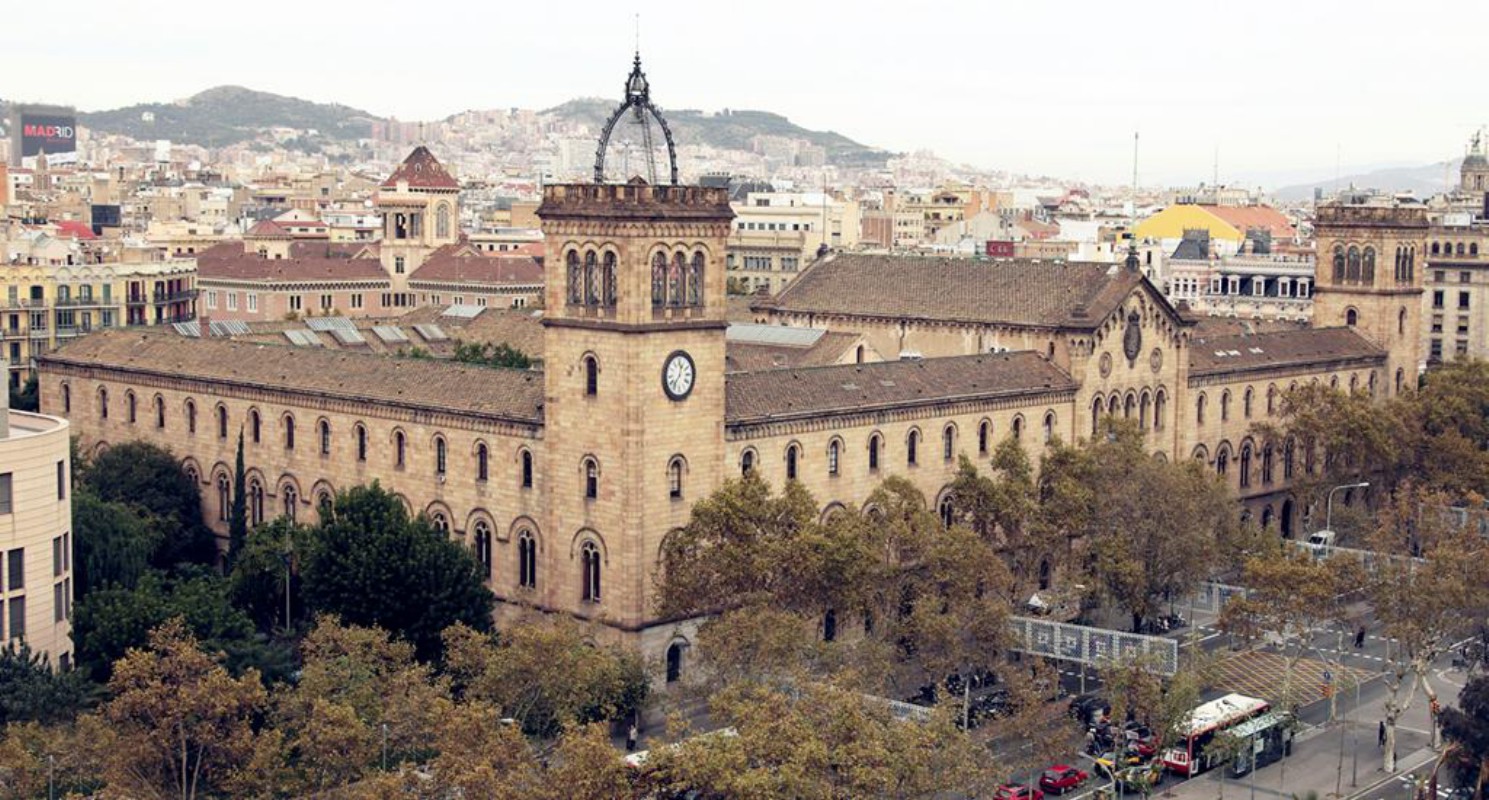
The university’s Main Building is incredibly iconic, clearly showcasing the classic architectural style of the Spanish colonial period. Here’s a picture to give you a feel for it. This style is common in Latin America, but it’s rare to see such a well-preserved example in Asia.
Fun Facts about the University of Santo Tomas
Besides its long history as the Spanish ‘Royal University’ in the Philippines, the school has many other interesting stories. For instance, during World War II, the campus was used by the Japanese army as an internment camp for Allied civilians. Additionally, it has educated four Philippine presidents, as well as countless national heroes and notable figures. I’ve compiled a few key milestones to give you a better overview:
| Timeline | Key Event |
|---|
| 1611 | Founded by Spanish Dominican friars |
| 1645 | Granted the title ‘Pontifical University’ by Pope Innocent X |
| 1680 | Granted the title ‘Royal University’ by King Charles II of Spain |
| 1902 | Admitted its first female students |
| 1942-1945 | Campus used by the Japanese army as the Santo Tomas Internment Camp |
Although when we talk about Spain today, we often focus on the culture and customs of the country itself, learning about these ‘overseas legacies’ like the Spanish-language universities in the Philippines gives us a more well-rounded understanding of the nation’s history and global influence. Do you know of any other similar and interesting Spanish historical sites abroad? Feel free to leave a comment and discuss below
! Maybe I’ll add it to my list for a future trip to the Philippines.
