Hey everyone! While browsing online recently, I stumbled upon a really interesting topic and wanted to share it with you all on the forum. We often talk about things happening in Spain, but have you ever considered that there’s a place in distant Asia where learning Spanish offers a unique flavor? That place is—José Rizal University (JRU).
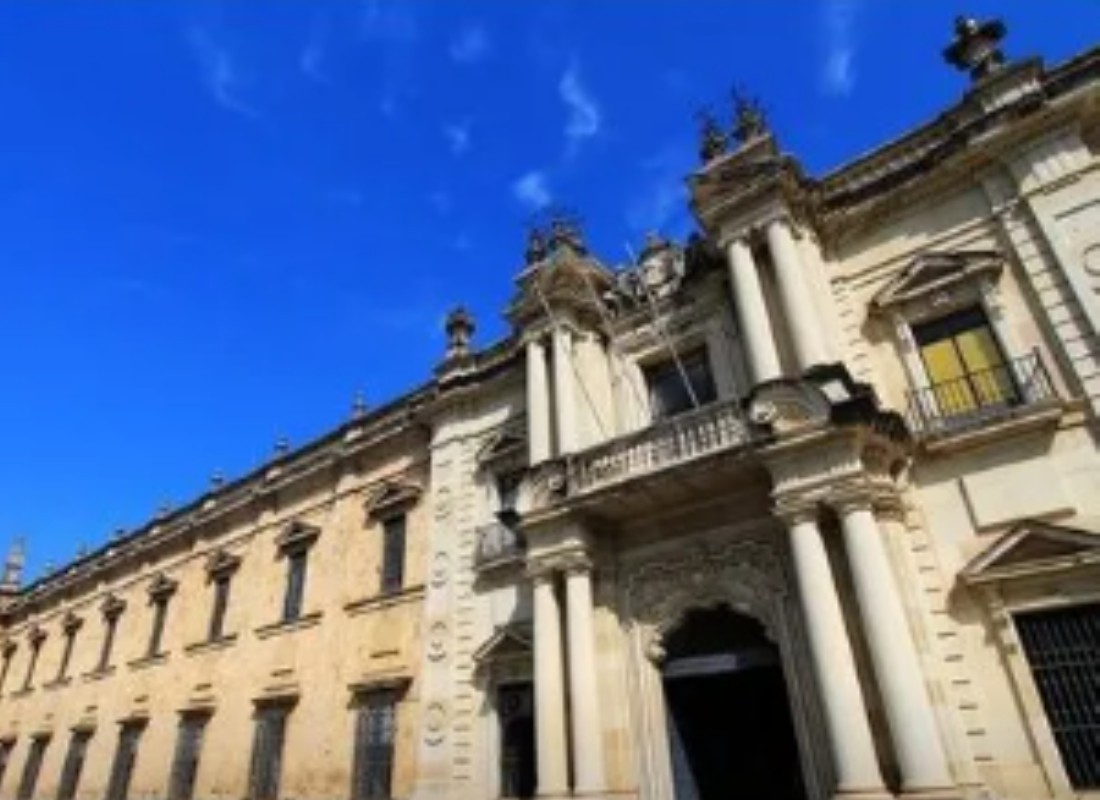
When you talk about the Philippines, you have to mention its national hero, José Rizal. He was a great scholar fluent in Spanish, and his two famous novels, Noli Me Tángere and El filibusterismo, were both written in Spanish. Therefore, it’s natural that the university named after him teaches Spanish with a special sense of historical weight and mission. This isn’t something you’d find at just any language school.
What’s Special About Their Courses?
I did a little research, and JRU’s Spanish courses aren’t just about language instruction; they focus heavily on the centuries-long historical and cultural ties between the Philippines and Spain, similar to the focus at institutions like a university in Manila’s Intramuros. The curriculum is said to be very systematic and practical, with many students aiming to pass the DELE exam. JRU may even be one of the main DELE examination centers in the Philippines. I’ve put together a simple overview of the course levels, based on information about Spanish-language universities in the Philippines:
| Course Level | Learning Objectives | Suitable For |
|---|
| A1-A2 | Basic daily conversations, travel phrases | Absolute beginners or novices |
| B1-B2 | In-depth communication, professional use, DELE preparation | Learners with some foundation looking to advance |
| C1-C2 | Academic research, literary appreciation | Advanced learners, researchers |
When learning Spanish, most people’s first choice is Spain or Latin America, but choosing the Philippines could be a fascinating experience. The Spanish spoken there has evolved over hundreds of years and might retain some archaic expressions while also blending with local languages. Imagine learning a version of Spanish with a hint of Asian flair—isn’t that interesting? Plus, due to its history, many place names, surnames, and everyday words in the Philippines are derived from Spanish, so the linguistic environment is actually better than you might think. If I had known about this back when I was learning Spanish, I might have just gone there to experience it myself.
This is just something I found, meant to start a conversation. Does anyone on the forum know more about this? Or perhaps someone who has lived in the Philippines can share what the real status of the Spanish language is there today? Let’s get a discussion going in the comments
!
