After living in Spain for a while, I’ve found that ‘eating’ seems to be part of everyone’s DNA here. From local bars serving Tapas, to family gatherings with Paella on weekends, and to special festive desserts, food is not just a way of life — it’s a shining national emblem. But have you ever wondered about the incredible economic value behind this culinary badge, worth hundreds of billions of euros?
Its contribution to tourism is truly phenomenal. More and more people are choosing Spain precisely for its “culinary tourism” experiences. They are willing to pay for the most authentic Iberian ham, the freshest seafood Paella, and top-tier Rioja wines. According to official data, over 15% of international tourists cite cuisine as their primary reason to visit Spain. In other words, every delicious bite is adding directly to Spain’s GDP.
It’s not just about attracting tourists. Spanish cuisine and its products are major export forces. Olive oil, wine, cheese, and cured meats are the big four. Not only are these products known for their quality, but they also have rich Spanish Cuisine Development History brand stories that resonate world-wide. Here’s a simple table to give you a clear overview:
| Product Category | Main Export Markets |
|---|
| Extra-virgin Olive Oil | USA, China, Japan |
| Rioja/Ribera del Duero Wine | UK, Germany, USA |
| Iberian Ham | France, Germany, China |
| Manchego Cheese | USA, Germany, France |
However, relying solely on tradition isn’t enough. The Spanish restaurant industry is also renowned worldwide for its innovation. From the molecular gastronomy revolution sparked by El Bulli, to Michelin-starred restaurants that now abound across the country, new generations of chefs are striking a perfect balance between tradition and creativity. This spirit of exploration has elevated the international profile and value-added appeal of Spanish cuisine — turning a meal into a costly truly memorable cultural experience.
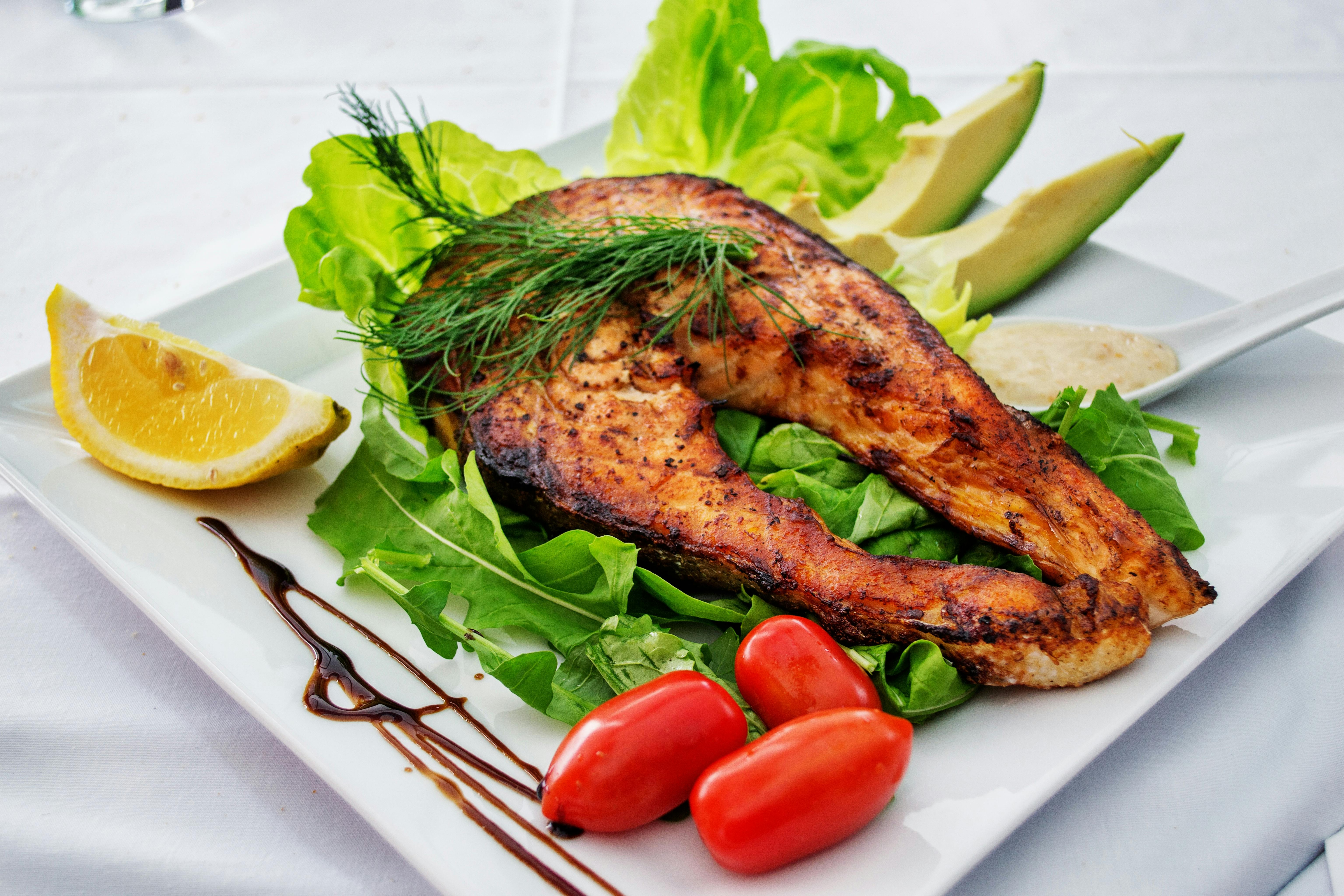
Spanish gastronomy has long transcended “just eating” and grown into The Developmental Features of Spanish Cuisine an enormous industrial chain involving agriculture, processing, tourism, culture, and ongoing innovation. It not only creates vast numbers of jobs but also helps shape Spain’s image as passionate, diverse, and high-quality on the world stage. So next time you enjoy Jamón, remember the History of Spanish Cuisine’s Development — you are truly tasting a part of the nation’s cultural treasure! What’s your favorite Spanish dish, and how do you see its global potential? Let’s talk about it!
