When I first arrived in Spain, I thought Spanish food was just paella, various tapas, and maybe some Iberian ham. However, after living here for a while, I found out the country’s culinary heritage is far more profound and diverse than I ever imagined. The appeal of Spanish cuisine is not only in the ingredients themselves, but also in the long, intricate story that combines history, geography, and culture.
Tracing its roots, the foundations of Spanish gastronomy were laid by the ancient Romans and the Moors. The Romans brought olive oil, wine, and wheat, which remain the cornerstones of the Mediterranean diet today. The Moors, who ruled the Iberian Peninsula for centuries, introduced rice, citrus fruits, almonds, saffron, and a variety of other spices and crops. Without the Moors, the world-famous paella of Valencia would not exist. These ancient influences and the development of Spanish cuisine through history have become deeply embedded in the Spanish dining experience.
A turning point came during the Age of Exploration. Crops brought back from the New World by Columbus transformed the kitchens of Europe, with Spain leading the way. Ingredients we now take for granted, such as tomatoes, potatoes, peppers, corn, and cocoa, were once considered exotic curiosities. Imagine Spanish gazpacho without tomatoes, or a Spanish tortilla without potatoes. These “foreign” ingredients fused with local traditions, shaping modern Spanish cuisine and giving it greater variety and vibrancy.
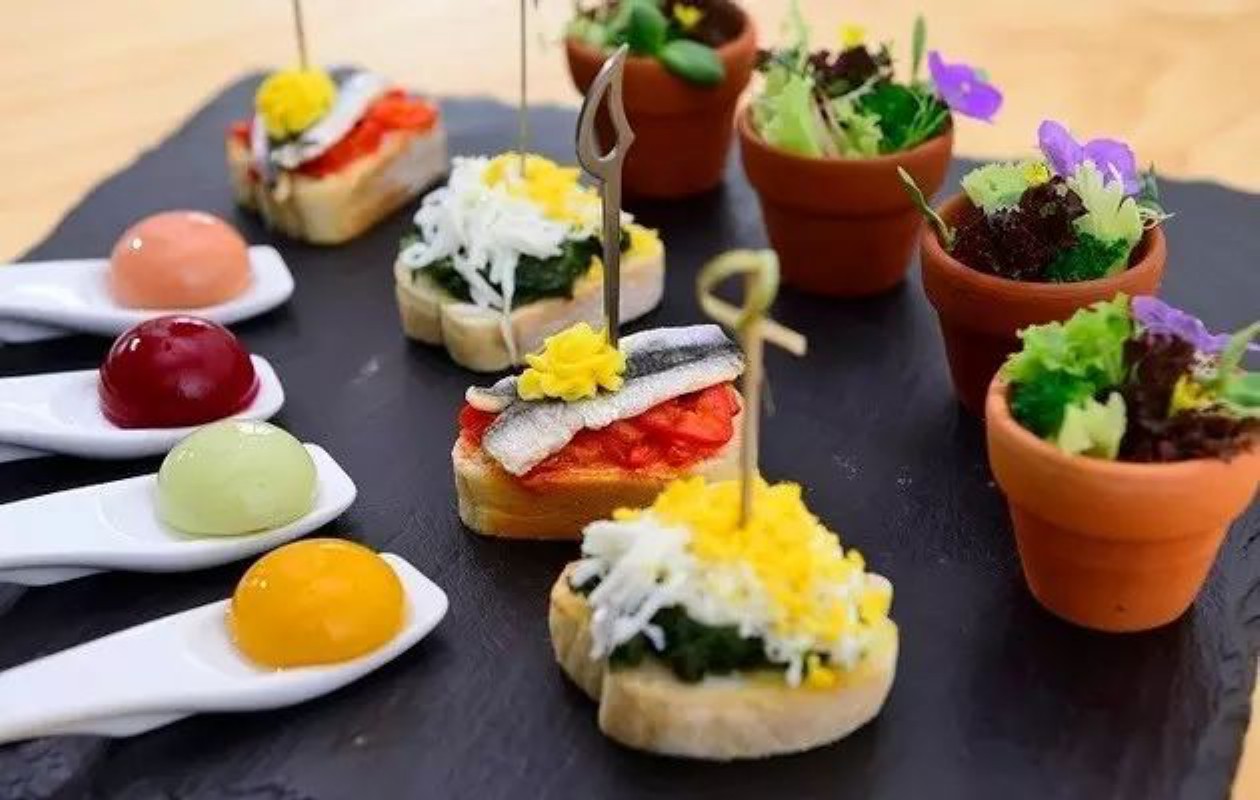
One of Spanish cooking’s greatest features is its remarkable regional diversity. Each area has its own signature dishes with distinctive flavors. For example, the Basque Country in the north is famous for its refined pintxos, while the southern region of Andalusia is known for fresh gazpacho and fried fish. This rich diversity is truly fascinating!
| Region | Signature Dishes |
|---|
| Catalonia | Grilled calçots, tomato bread |
| Andalusia | Gazpacho, oxtail stew |
| Basque | Creative small bites, cod dishes |
| Galicia | Octopus, fried ham with green peppers |
By the end of the 20th century, Spanish cuisine experienced another revolutionary leap: led by Ferran Adrià and other avant-garde chefs, the rise of molecular gastronomy began. Using scientific methods, these chefs deconstructed and reinvented ingredients, creating countless imaginative dishes and turning Spain into a powerhouse of world gastronomy. Today, from local tapas bars to Michelin-starred restaurants, tradition and innovation thrive side by side, which is what gives Spanish cuisine its truly unique charm. Do you know other interesting regional Spanish dishes? Share your favorites!
