For those who have lived in Spain for a while, have you noticed how dining out these days feels completely different compared to a few years ago? In the past, the main highlights were paella, Tapas, or roast suckling pig, but now it seems the whole culinary scene has become much more “competitive” and innovative, with endless new options.
While traditional dishes remain the foundation, the way they’re presented and prepared has been completely upgraded. Many restaurants have embraced the concept of ‘cocina de autor’, transforming familiar Spanish omelettes into molecular gastronomy dishes, or offering croquettes with dozens of new flavors. Those unchanging old recipes are fading away as chefs strive to innovate and find the perfect balance between tradition and modernity.
Another key trend is the focus on health and sustainability. Vegetarian and vegan restaurants are booming, and even the most traditional bars now feature healthy choices on their menú del día. A particularly popular idea is ‘Kilómetro Cero’, which means restaurants source only local ingredients—guaranteeing freshness and supporting local farmers. Personally, I’m a big fan of this philosophy and always happy to support these kinds of eateries.
Digital transformation is another unavoidable topic. Platforms like Glovo and Uber Eats have reshaped our dining habits, especially in big cities such as Madrid and Barcelona. Restaurants are also becoming savvier on social media—an attractive Instagram account is often more effective than traditional advertising. However, these changes introduce new challenges, such as commissions that are too high on food delivery platforms, and the persistent labor shortages after the pandemic. Many business owners are complaining that it is hard to recruit and even harder to retain staff, as discussed in The Development History of Spanish Gastronomy.
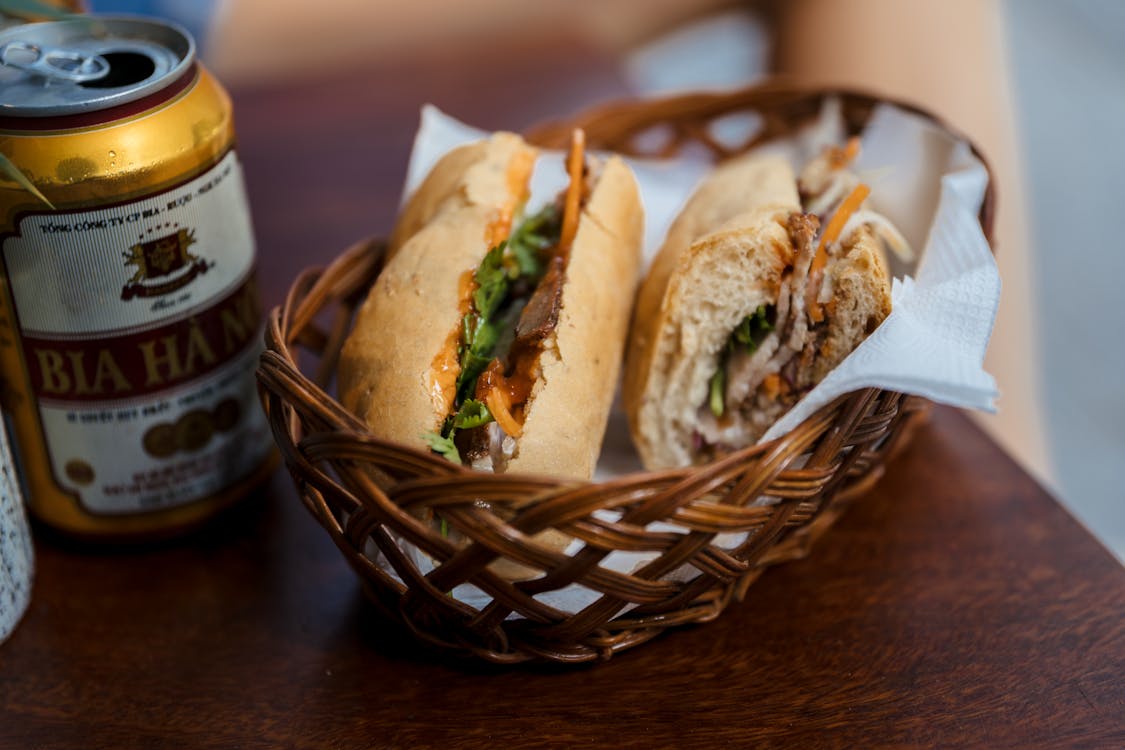
I’ve put together a simple summary of the opportunities and challenges I’ve observed. You can check if the distinctive features of Spanish cuisine’s evolution align with your own experiences:
| Opportunity | Challenge |
|---|
| Innovation and diversification of dishes | Rising costs of raw materials and energy |
| Health-conscious and sustainable eating trends | Pressure of high commission fees on delivery platforms |
| Recovery in tourism boosting customer flow | Labor shortages and increased employment costs |
| New digital marketing channels | Fierce competition and lack of differentiation in the industry |
Spain’s restaurant scene is at a fascinating crossroads between tradition and modernity. There are numerous opportunities, but the challenges are very real. What interesting culinary discoveries have you made in your city? Have you tried any surprisingly innovative Spanish dishes? Feel free to share your thoughts and experiences in the comments below!
