I recently moved to Spain and to better integrate into life here, I spent some time researching the country’s history—a truly fascinating tale full of legends and twists. I’ve compiled a brief overview, drawing from sources like this introduction to Spanish history and this concise history book, to share with fellow newcomers. I also welcome any additions or corrections from the history experts on this forum!
Early Civilizations and the Roman Imprint
The Iberian Peninsula, where Spain is located, was first inhabited by ancient peoples like the Iberians and Celts. But it was the ancient Romans who truly left a lasting mark on the land. In the 3rd century BC, the Romans arrived and turned it into an important province of their empire—‘Hispania,’ which is the etymological origin of the name ‘Spain.’ During their centuries-long rule, the Romans brought the Latin language, laws, roads, and magnificent architecture, such as the Aqueduct of Segovia and the Theatre of Mérida, which still stand today as testaments to history.
The Golden Age of the Moors and the Reconquista
After the fall of the Roman Empire, the Visigoths had a brief rule, but the real turning point in history came in 711 AD. The Moors from North Africa crossed the Strait of Gibraltar and conquered most of the peninsula in just a few years, ushering in the nearly 8-century-long era of ‘Al-Andalus.’ This was an incredibly brilliant period for science, mathematics, medicine, and the arts. Southern cities like Granada, Córdoba, and Seville became cultural centers of Europe.
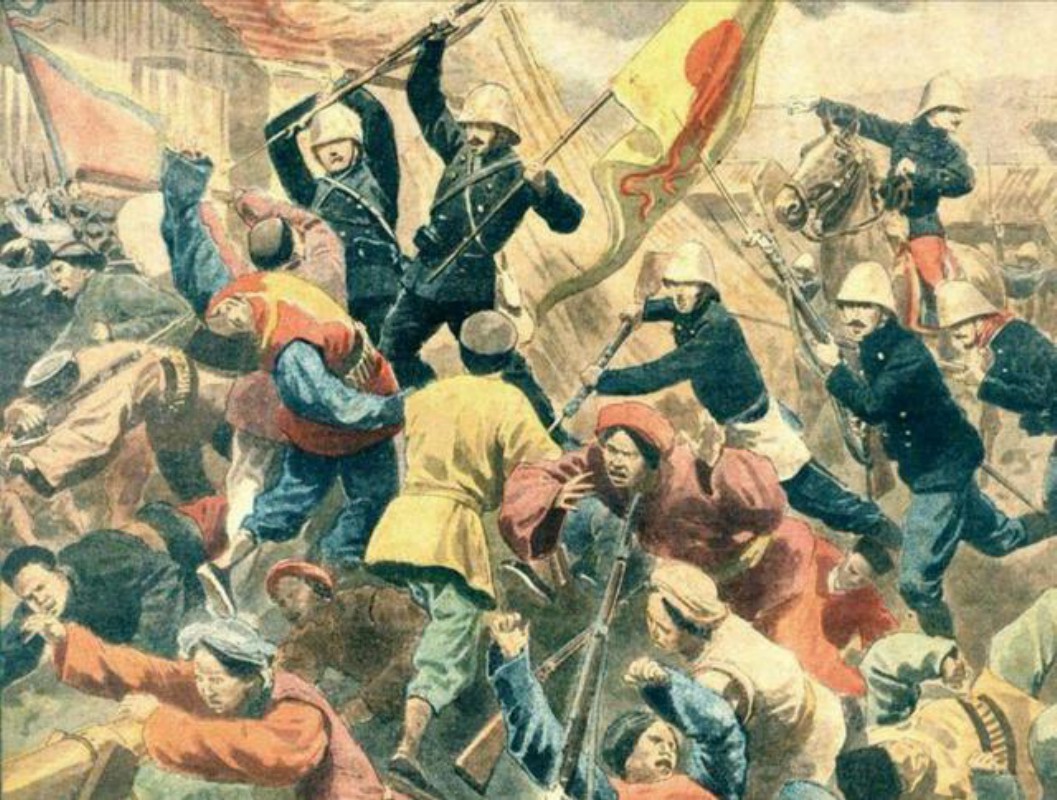
Meanwhile, the small Christian kingdoms in the north began the long ‘Reconquista.’ This war, which lasted over 700 years, shaped the resilient and sometimes even stubborn national character of modern Spain.
The Rise of an Empire and the Age of Discovery
1492 was a pivotal year in Spanish history. In that year, the Catholic Monarchs conquered Granada, the last stronghold of the Moors, completing the unification of the peninsula. In the very same year, they sponsored Christopher Columbus’s voyage, which led to the unexpected ‘discovery’ of the Americas. This brought immense wealth to Spain, ushering in its ‘Golden Age’ (Siglo de Oro). Spain became a global ‘empire on which the sun never sets,’ and its language and culture spread across the world.
Modern Turmoil and Contemporary Democracy
The empire’s glory could not last forever. Starting in the 17th century, continuous internal and external wars led to the gradual decline of Spain’s power. The 19th century was even more turbulent, marked by the Napoleonic invasion and constant struggles between constitutional monarchists and republicans. In the 20th century, Spain endured a brutal civil war, followed by Francisco Franco’s nearly 40-year dictatorship. It was not until Franco’s death in 1975 that King Juan Carlos I led the country through a peaceful transition, and Spain finally became the constitutional monarchy and democracy we know today, joining the European Union in 1986.
To make it easier to remember, I’ve created a simple table summarizing the main periods:
| Period / Dynasty | Approximate Dates | Key Events |
|---|
| Roman Rule | 218 BC - 476 AD | Latinization, Establishment of provinces |
| Moorish Period | 711 - 1492 | Al-Andalus civilization, Reconquista |
| Habsburg Dynasty | 1516 - 1700 | Peak of the Empire, Golden Age |
| Bourbon Dynasty | 1700 - Present | War of Spanish Succession, Modernization reforms |
| Francoist Period | 1939 - 1975 | Dictatorship |
Spain’s history is truly a rollercoaster. Knowing all this gives a whole new perspective when visiting historical sites and museums! Which period are you most interested in? Let’s chat about it!
