Hi everyone, I just moved to Spain not long ago. Besides grappling with the Spanish language every day, I love to get out and explore. I’ve found that to truly understand a place, you have to start with its history. So, I took some time to put together an overview of Spanish history to share with new friends who, like me, are curious about this country. Let’s discuss and learn together!
A Quick Tour of a Thousand Years of Spanish History
From the Romans to the Moors: The Foundations of Civilization
The Iberian Peninsula, home to Spain, was first inhabited by Iberians and Celts. Later, the mighty Roman Empire incorporated the peninsula into its territory for several centuries, bringing its language, laws, and grand architecture. For those interested, this general overview of Spanish history provides excellent background information. After the fall of Rome, the Visigoths ruled briefly until 711 AD, when Moors from North Africa crossed the Strait of Gibraltar, beginning a rule that lasted nearly 800 years. This era, covered in this quick summary of Spanish history, saw a brilliant civilization flourish, especially in the southern region of Andalusia, with great achievements in astronomy, mathematics, and medicine. They left behind world-renowned architectural treasures like the Great Mosque of Córdoba and the Alhambra Palace in Granada.
The Reconquista and the Dawn of an Empire
While the Moors ruled, the small Christian kingdoms in the north never gave up their resistance, waging the long “Reconquista” (Reconquest). This campaign lasted for nearly eight centuries, reaching its decisive moment in 1492 when the Catholic Monarchs, Isabella I and Ferdinand II, conquered Granada, the last Moorish stronghold. In the same year, the navigator they sponsored, Christopher Columbus, “discovered” the New World. This series of events marked the unification of Spain and set the stage for its subsequent Golden Age as an empire on which “the sun never set.”
The Mosque-Cathedral of Córdoba, a testament to the fusion of different civilizations.
The Golden Age and Modern Turmoil
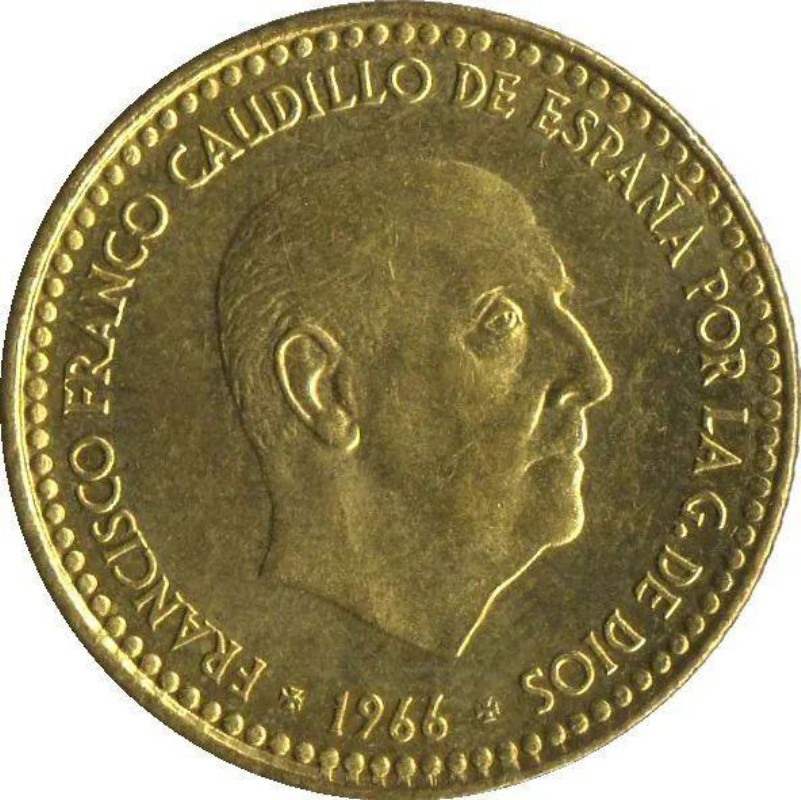
The 16th and 17th centuries were Spain’s “Golden Age”. Fueled by immense wealth plundered from its American colonies, Spain built the ‘Invincible Armada’ and became a global superpower. Arts and culture also flourished, producing literary giant Cervantes and master painter Velázquez. However, incessant wars and royal extravagance gradually depleted the treasury, and the empire began a long decline. Entering the 19th and 20th centuries, Spain experienced the Napoleonic invasion and a series of internal struggles between monarchists and republicans, leading to constant social turmoil. This culminated in the brutal Spanish Civil War in 1936, which ushered in Franco’s dictatorship lasting nearly 40 years.
| Period | Approx. Dates | Key Events |
|---|
| Roman Rule | 218 BC - 5th Century AD | Introduction of Latin, law, road networks |
| Moorish Period | 711 - 1492 | Flourishing of Islamic culture in Andalusia |
| Reconquista | 722 - 1492 | Christian kingdoms gradually reconquer territory |
| Golden Age | 16th-17th Centuries | Discovery of the New World, establishment of a global empire |
| Modern Era | 19th Century - Present | Civil War, Franco’s dictatorship, democratic transition |
Democratic Transition and Modern Spain
After Franco’s death in 1975, Spain began a peaceful transition to democracy, with King Juan Carlos I playing a pivotal role. Spain quickly rejoined the European family, joining the European Community (now the EU) in 1986. Today, Spain is a vibrant, culturally diverse, passionate, and open modern nation. From Roman ruins to Moorish palaces and Gaudí’s modernist architecture, the layers of history have shaped its unique charm. This is just a brief overview, of course. There are so many fascinating stories in Spanish history that I could go on for days. Does anyone else know any interesting details? Feel free to add them in the comments!
