A Quick Guide to a Millennium of Spanish History
Hey everyone! As someone who recently moved to Spain, I’ve found that beyond the sun, beaches, and food, the country’s history is absolutely fascinating. From Roman footprints and stunning Moorish architecture to the glorious Age of Discovery, it’s a living epic. To help other newcomers like me get up to speed, I’ve put together this overview of Spanish history based on this Introduction to Spanish History Resources. I hope this gets the ball rolling for a great discussion!
From Roman Province to Moorish Al-Andalus
The land we now know as Spain was first called the Iberian Peninsula. In the 3rd century BCE, the mighty Romans arrived and established the province of “Hispania,” the origin of the country’s name. The Romans brought their language, laws, and magnificent structures, such as the Roman Theatre in Mérida and the aqueduct of Segovia, which you can still see today. After the fall of the Roman Empire, the Visigoths had a short reign, but the ones who truly and profoundly shaped Spain were the Moors, who crossed the sea in 711 CE.
They established the kingdom of Al-Andalus in the south, which lasted for nearly 800 years with its capital in Córdoba. It was an era of unprecedented prosperity in culture, art, and science, leaving behind world-famous architectural treasures like the Alhambra in Granada. It’s safe to say that without the history of the Moors, the Spain we see today would not exist.
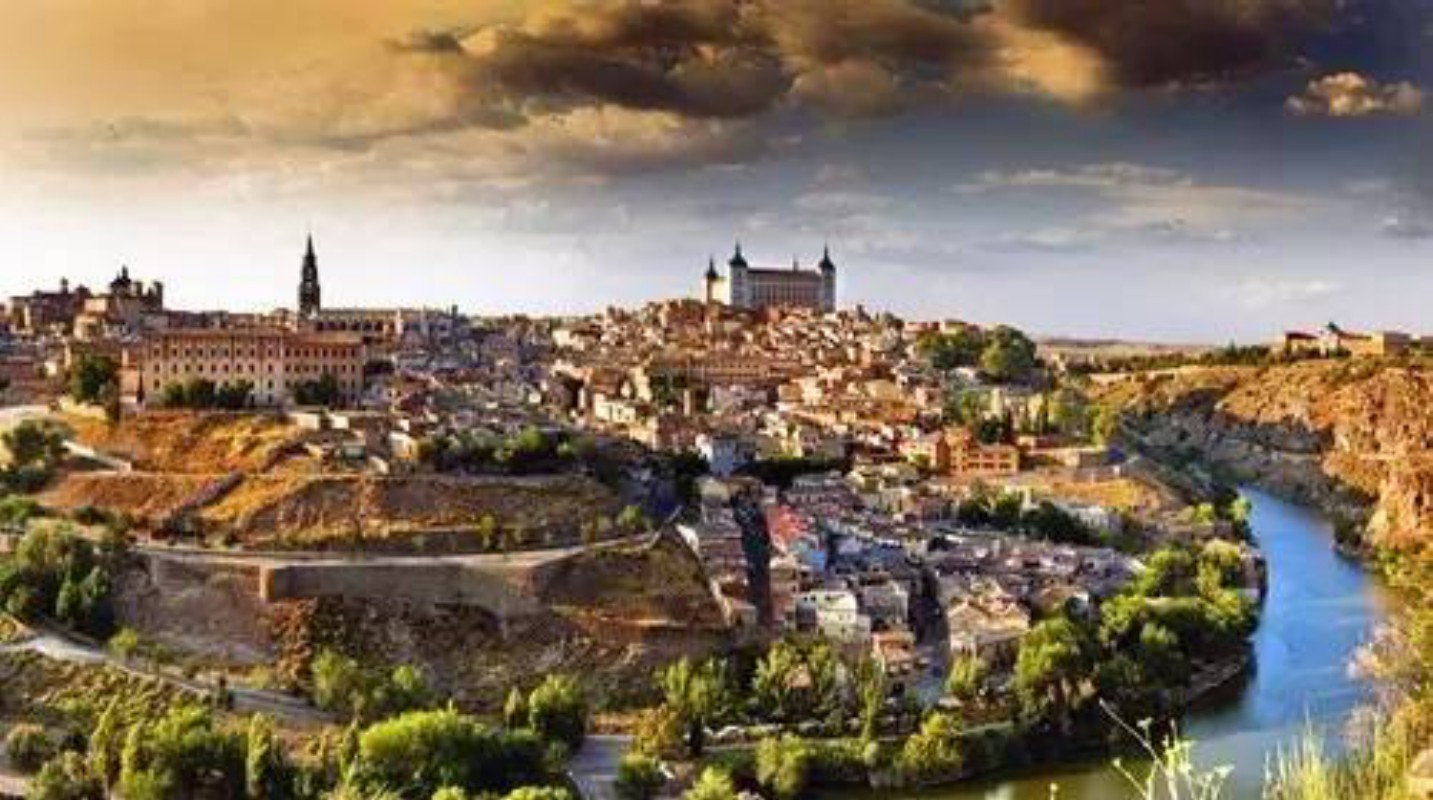
The Reconquista and the Golden Age
Meanwhile, the Christian kingdoms in the north were not idle. From the moment the Moors landed, they began the “Reconquista” (Reconquest). This long war forged the resilient character of the Spanish nation. The Reconquista finally concluded in 1492 with the fall of Granada. In the same year, with the support of Queen Isabella I and King Ferdinand II, Columbus “discovered” the New World. These two landmark events together ushered in Spain’s Golden Age! With immense wealth plundered from the American colonies, Spain built an “empire on which the sun never sets,” reaching its zenith in military, political, and cultural power. Cervantes’ “Don Quixote” and the court paintings of Velázquez are products of this era.
A Turbulent Modern Era and a New Beginning
As history dictates, every peak is followed by a decline. Starting in the latter half of the 17th century, the defeat of the Spanish Armada, royal extravagance, and the incessant wars mentioned in resources like this Spanish History Guidebook led to the gradual fall of the Spanish Empire. The 19th century was fraught with internal and external troubles, including the Napoleonic invasion and the independence of its colonies. In the 20th century, Spain went through a monarchy and a republic, culminating in the brutal Spanish Civil War in 1936. After the war, Franco began a dictatorship that lasted nearly 40 years, isolating Spain from the rest of the world. It’s best not to dwell on this part of history. It wasn’t until Franco’s death in 1975 that King Juan Carlos I initiated a democratic transition, giving Spain a new lease on life. In 1986, it joined the European Economic Community, once again becoming an open, diverse, and vibrant modern nation.
To make it easier to remember, I’ve created a simple timeline:
| Period/Year | Key Events |
|---|
| 218 BCE - 5th Century CE | Roman Rule |
| 711-1492 | Moorish Rule and the Reconquista |
| 1492 | “Discovery” of the New World & Fall of Granada |
| 16th-17th Centuries | Spanish Golden Age, “the empire on which the sun never sets” |
| 1936-1939 | Spanish Civil War |
| 1975-Present | Democratic Transition and Modern Spain |
So that’s the outline of Spanish history I’ve put together. I’ve definitely missed a lot of details. What other interesting stories about Spanish history do you know? Like the story of Juana “la Loca”? Or what really happened with the Spanish Armada? Feel free to leave a comment and discuss below!
