Having recently arrived in Spain, I’ve noticed that many place names, buildings, and even festivals hold deep historical stories. I spent some time going through thousands of years of Spanish history, and it’s given me a much more complete picture of the country! I’m sharing it with you all, hoping it helps others who are also interested in Spanish history.
Early Civilizations and Romanization
The Iberian Peninsula, where we stand today, was first inhabited by tribes like the Celts and Iberians. But it was the Romans, who arrived in the 3rd century BC, that truly laid the groundwork for Spain. In the centuries that followed, showcasing the manifestations of Spain’s historical evolution, they introduced the Latin language, Roman law, magnificent aqueducts, and theaters. It’s safe to say that the cultural cornerstone of modern Spain was set during the Roman period.
Conflict and Fusion: The Visigothic and Moorish Era
After the fall of the Roman Empire, the Germanic Visigoths took control. However, a more transformative change occurred in 711 AD when the Moors from North Africa crossed the Strait of Gibraltar, beginning a rule over the Iberian Peninsula that would last for nearly 800 years. This period, known as ‘Al-Andalus’, was a golden age for Islamic civilization, with remarkable achievements in astronomy, medicine, mathematics, and philosophy. The Alhambra in Granada and the Great Mosque of Córdoba that we see today are shining jewels from that era.
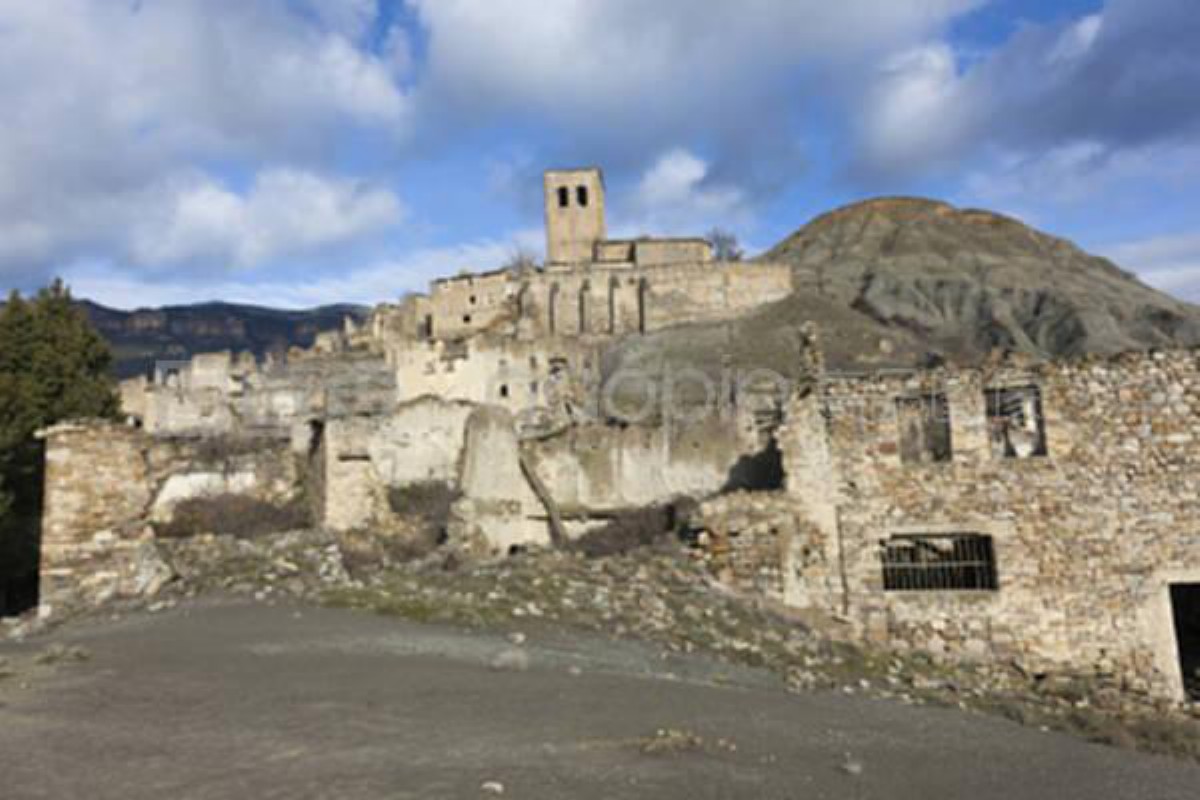
Unification and Expansion: The Reconquista and the Golden Age
While the Moors ruled, the Christian kingdoms in the north never ceased their resistance, launching the long ‘Reconquista’ (Reconquest). This centuries-long struggle forged Spain’s resilient national character. Finally, in 1492, with the fall of Granada, Spain achieved unification. In the same year, Columbus, backed by Queen Isabella I and King Ferdinand II, ‘discovered’ the New World, ushering in not a dark age but Spain’s Golden Age. Vast amounts of gold and silver were shipped back from the Americas, and Spain became a global superpower.
| Monarch | Major Contributions |
|---|
| Isabella I & Ferdinand II | Completed national unification, sponsored Columbus’s voyage |
| Charles I | Established the Habsburg Empire spanning Europe and the Americas |
| Philip II | Peak of the empire, built the Monastery of El Escorial |
Turmoil and Modernity: From Imperial Twilight to Democratic Rebirth
As the saying goes, what rises must fall. The defeat of the Spanish Armada and the drain of constant warfare gradually weakened the nation’s power. The 19th and 20th centuries were even more tumultuous, marked by the Napoleonic invasion, the restoration of the monarchy, the establishment of a republic, and the brutal Spanish Civil War. After the war, Francisco Franco began a dictatorship that lasted nearly 40 years. It wasn’t until Franco’s death in 1975 that Spain made a peaceful transition to a constitutional monarchy and a democratic government, joining the European Union in 1986 and embracing a new era of development.
Our ability to live, study, and work freely here today is built upon this complex and fascinating history. You can get a great overview of Spain’s historical evolution, which is shaped by the events in the timeline of Spain’s historical evolution. When traveling in Spain, have any historical sites left a powerful impression on you? Share your thoughts in the comments below!
