When I first arrived in Spain, what struck me most was the profound sense of history. You might see a magnificent mosque-style palace in Andalusia, then turn around and find an ancient Roman aqueduct in Castile. This fusion of diverse cultures is the result of a thousand-year epic of conquest, integration, and transformation. Today, let’s explore how the Spain we know today came to be.
A Quick Look at Spanish History: A Condensed Millennium of Change
The first to extensively reshape the Iberian Peninsula were the Romans. In the 3rd century BC, after defeating Carthage, the Romans turned the region into their province, ‘Hispania’, which illustrates how Spain’s history has been shaped. They introduced the Latin language, their legal system, a network of roads, and magnificent architecture, as seen in the timeline of Spain’s historical evolution. Structures like the aqueduct of Segovia and the theater in Mérida still stand today, testifying to that former glory. After the fall of the Roman Empire, the Visigoths from the north took over, but their rule was relatively weak, setting the stage for the next major historical turn.
In 711 AD, the Moors from North Africa crossed the Strait of Gibraltar, beginning a rule over the Iberian Peninsula that would last for nearly 800 years. The state they established, Al-Andalus, achieved remarkable advancements in science, philosophy, art, and agriculture. At the time, Córdoba was one of the most prosperous cities in Europe. The Alhambra Palace in Granada, which we can still admire today, is a treasured legacy of that era.
Meanwhile, the Christian kingdoms in the north were not idle. Shortly after the Moors’ arrival, they began the long Reconquista (Reconquest). This intermittent war lasted for centuries and forged the resilient, and perhaps even stern, national character of modern Spain. In 1492, the Catholic Monarchs conquered Granada, marking the end of the Reconquista. In what can be considered the complete story of Spain’s evolution, it was in that very same year that Christopher Columbus, sponsored by them, ‘discovered’ the New World, ushering in Spain’s Golden Age.
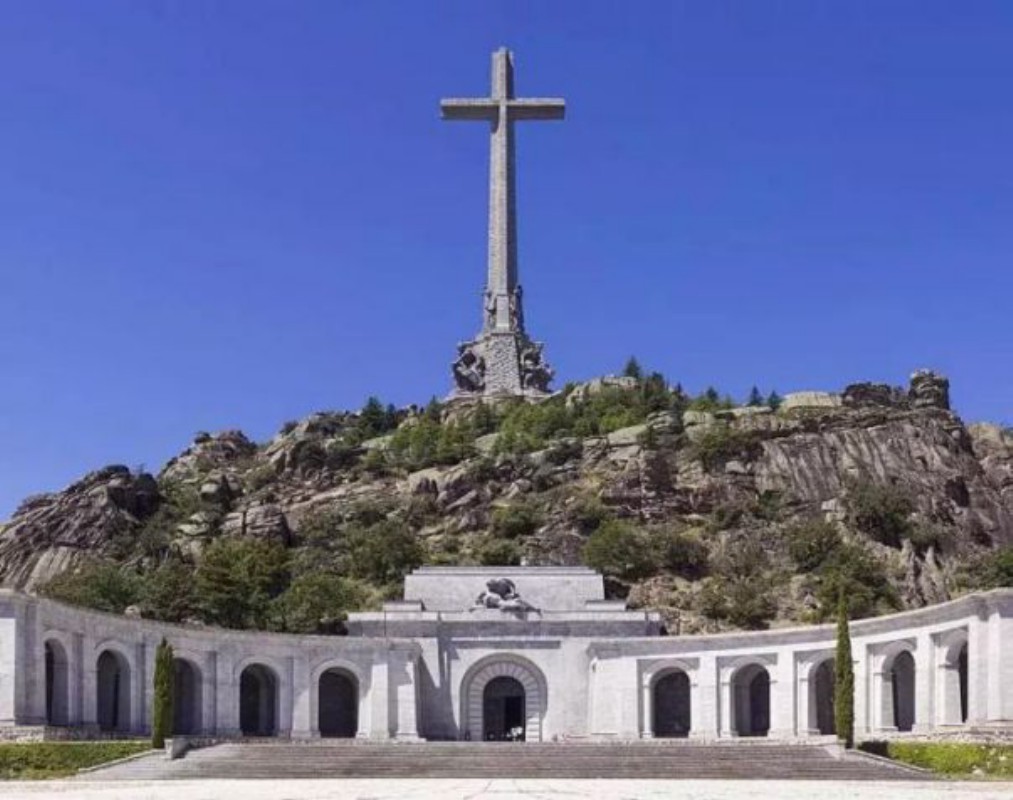
Over the next few centuries, Spain became the world’s leading power, fueled by wealth from the Americas. However, the rise and fall of empires seem to be a historical inevitability, and this period was by no means smooth sailing. The defeat of the Spanish Armada, the War of the Spanish Succession, the Napoleonic invasion… a series of internal and external blows led to Spain’s gradual decline. The 20th century was even more tumultuous, marked by a brutal civil war and decades of dictatorship under Franco. It wasn’t until Franco’s death in 1975 that Spain began its transition to democracy, joining the European Community in 1986 and rejoining the European family, thus beginning a new chapter.
Key Historical Periods at a Glance
| Date/Milestone | Major Event | Impact |
|---|
| 711 AD | Moorish Invasion | Islamic culture took root in the Iberian Peninsula for nearly 800 years. |
| 1492 AD | Conquest of Granada & Discovery of the New World | End of the Reconquista; beginning of the Age of Discovery and colonization. |
| 1978 | New Constitution Enacted | Established a constitutional monarchy, ushering Spain into its democratic era. |
| 1986 | Joined the EEC (European Economic Community) | Fully integrated into Europe, leading to rapid economic and social development. |
This has been a brief overview, and I hope it helps give you a general outline of Spanish history. Which period are you most interested in? Or have you visited any historical sites that left a deep impression on you? Feel free to leave a comment and discuss below!
