Just moved to Spain and feel your knowledge of its history—beyond some interesting facts, tapas, and sunshine—is a little lacking? I was in the same boat! That’s why I took some time to create this simple overview of Spanish history. It’s a super-condensed version that serves as a quick introduction to Spain’s past to get us all started. Long-time residents, feel free to chime in with additions and corrections!
Originally, this land was known as the Iberian Peninsula. Then came the mighty Romans, who left behind aqueducts and theaters that you can still see today. They also brought Latin, the ancestor of the Spanish language. After the Roman Empire fell, the Visigoths took over, but their kingdom was a bit “weak” and didn’t last long, plagued by internal conflicts.
In 711 AD, the Moors from North Africa crossed the strait, beginning a rule that lasted for nearly 800 years. During this period, especially in the southern region of Andalusia, culture, art, and science flourished. The Alhambra in Granada is a masterpiece from that era. Of course, the small Christian kingdoms in the north weren’t idle; they were constantly engaged in the “Reconquista” (Reconquest), slowly taking back their territory.
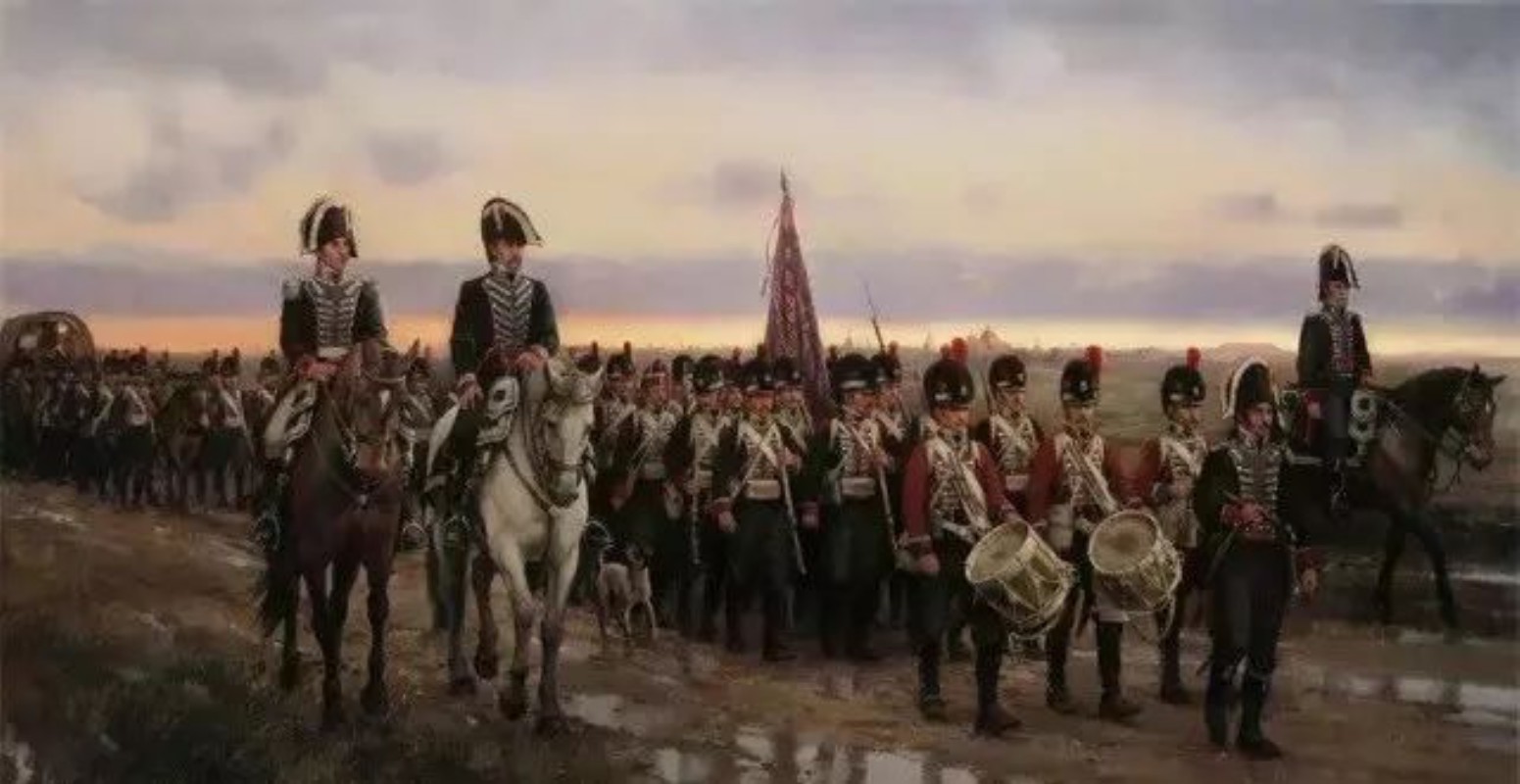
1492 was a pivotal year: the Reconquista ended, and Columbus set sail and discovered the New World. This marked the beginning of Spain’s Golden Age as ‘the empire on which the sun never sets,’ with gold and silver flooding in from the Americas. But, as they say, they spent money like water. The empire overextended itself, and combined with numerous wars, it gradually declined.
Entering modern times, Spain faced a turbulent path, enduring a civil war and the dictatorship of Francisco Franco. It wasn’t until Franco’s death in 1975 that Spain began its transition to democracy, joining the European Union in 1986 and becoming the country we know today.
A Super-Simple Spanish History Timeline
| Period | Key Events |
|---|
| Roman Period | Introduced language, law, and architecture |
| Moorish Rule | Flourishing of Islamic culture on the Iberian Peninsula |
| The Reconquista | Christian kingdoms reclaimed territory, leading to a unified Spain |
| The Golden Age | Discovery of the New World, becoming ‘the empire on which the sun never sets’ |
| Modern Era | End of the Franco era, transition to democracy, and joining the EU |
So that’s the super-simplified version, of course, with many details left out. Which period are you most interested in? Or do you have any fun historical trivia to share? Let’s chat about it!
