Having recently arrived in Spain, besides enjoying the sun and food, I’ve become obsessed with its history. I feel that understanding a country’s past is the best way to understand its present. So, I’ve gathered some historical tidbits that I find particularly interesting to get the ball rolling. I’d love for everyone to join the conversation!
The Roman Legacy
Many people might not know this, but as this brief overview of Spanish history explains, modern Spanish actually originates from Vulgar Latin. As early as 218 BC, the Romans arrived on the Iberian Peninsula and ruled for several centuries. They brought not only their language but also magnificent architecture. If you’re traveling in Spain, you must see the still-breathtaking Roman ruins, like the aqueduct of Segovia and the theater in Mérida—they are living history. Every time I see them, I can’t help but marvel at the wisdom and engineering skills of the ancients.
The Wisdom and Heritage of the Moors
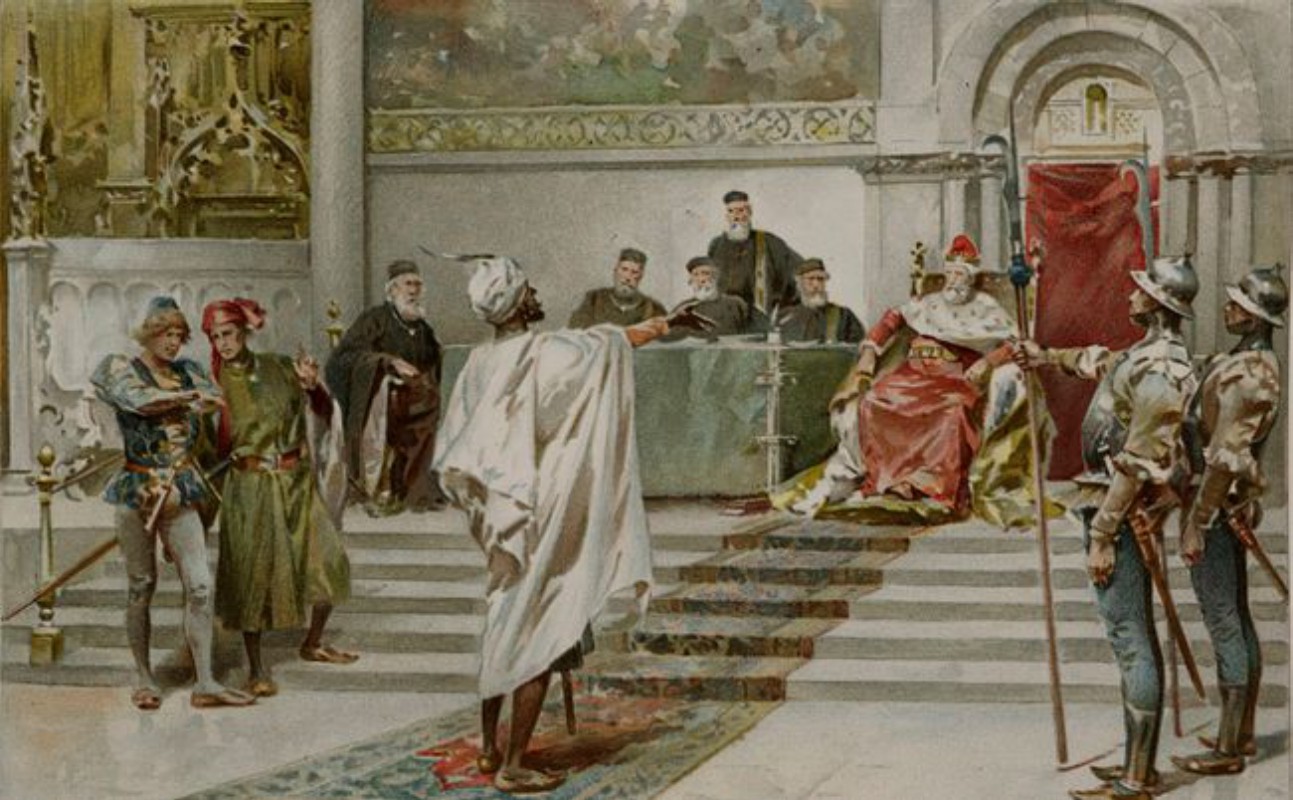
After the fall of the Roman Empire, Spain entered the Visigothic Kingdom period. However, a more profound influence on later history came from the Moorish rule, which began in 711 AD. They established the prosperous kingdom of Al-Andalus in the south, with Córdoba as its capital. At that time, Córdoba was one of Europe’s most advanced cities, boasting streetlights and a massive library. The Moors introduced advanced mathematics, astronomy, agricultural techniques, and of course, their world-renowned architectural art. The Alhambra in Granada is the most brilliant jewel of this period; its details and design are truly breathtaking.
The Reconquista and the Age of Discovery
Moorish rule didn’t cover the entire peninsula; the small Christian kingdoms in the north were constantly engaged in the ‘Reconquista’ (Reconquest). This nearly eight-century-long struggle shaped modern Spain. The most crucial turning point was undoubtedly the marriage of Isabella I of Castile and Ferdinand II of Aragon, which united most of the country. In 1492, they conquered Granada, the last Moorish stronghold, completing the Reconquista. In the same year, they sponsored Columbus’s voyage, which unexpectedly launched the magnificent Age of Discovery and set the stage for Spain’s ‘Golden Age’.
The Splendor and Decline of the Golden Age
The Age of Discovery brought vast amounts of gold and silver from the Americas to Spain, as detailed in this simplified version of Spanish history, turning it into the world’s first empire on which the sun never set. The reigns of Charles I and Philip II of the Habsburg dynasty marked the peak of Spain’s power. However, behind the glory lay the seeds of decline. Years of religious wars, courtly extravagance and corruption, and the defeat of the Invincible Armada by England in 1588 continuously drained the massive empire. History is always like this, with its peaks and troughs.
To make it easier to understand, I’ve prepared a very simple timeline table, along with this simple introduction to Spanish history:
| Period | Approximate Time | Key Events |
|---|
| Roman Spain | 218 BC - 5th Century AD | Romanization, construction of aqueducts and roads, spread of Latin |
| Visigothic Kingdom | 5th Century - 711 AD | Germanic rule after the collapse of the Roman Empire |
| Al-Andalus | 711 - 1492 | Moorish rule, flourishing of science and culture |
| Reconquista | 722 - 1492 | Gradual reconquest by Christian kingdoms |
| Spanish Empire | 1492 - 19th Century | Age of Discovery, colonization of the Americas, Habsburg dynasty, Golden Age |
History is vast, and this is just scratching the surface. Do you know any other interesting stories or fun facts about Spanish history? For example, why was Cervantes known as ‘the one-armed man of Lepanto’? How many wives did Philip II actually have? Feel free to add more in the comments below!
