When I first arrived in Spain, every time I went to a supermarket or restaurant and saw those hams hanging, especially those with a black label, the price always filled me with intimidation awe. After chatting more with local food lovers, I discovered that behind this mouthwatering delicacy lies an extremely meticulous crafting process. Today, let me share how a top-tier Spanish black label ham is made!
1. The Origin of the Pig: More Than Just a “Lucky Pig”
Lineage is the foundation of everything. Only 100% purebred Iberian black-hoof pigs qualify as the raw material for black label ham. These pigs are not confined; they live freely in the unique Dehesa oak pastures in southwestern Spain — truly “free-range pigs.”
The Gift of Acorns
Every autumn through early spring the next year, the acorns mature — called the Montanera period. During these months, these “chosen pigs” roam freely in the pastures, feasting on fallen acorns. It is these acorns that give the ham its distinctive nutty aroma, and enrich its fat with oleic acid similar to olive oil, making it healthy and not greasy.
2. Artisan Craft: The Magic of Time and Nature
Once the pigs are raised, the Spanish Black Label Ham Slices undergo an extremely patient production process. The whole process relies solely on sea salt, air, and time, without any artificial additives or smoking.
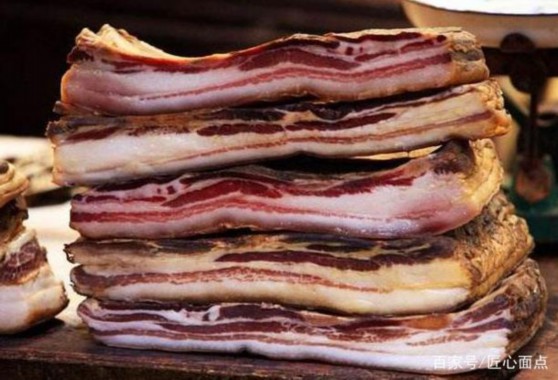
The process can be roughly divided into several stages, each with a crucial duration:
| Production Stage | Main Purpose | Approximate Duration |
|---|
| Salting | Covered with sea salt to dehydrate the leg | About 1 day/kg by weight |
| Washing and Resting | Wash off excess salt and let salt penetrate inward | 40-60 days |
| Drying | Initial curing in a ventilated, dry room | 6-9 months |
| Cellar Aging | Slow fermentation in a temperature and humidity controlled cellar to develop flavor | 24-48 months or longer |
During the long cellar aging, the ham slowly “exudes fat,” developing a natural mold layer on the surface, which protects the flavor formation. Finally, experienced ham masters use a thin bone needle to pierce various parts of the ham, and by smelling the Spanish Black Label Ham determine if it has reached perfect maturity. This moment encapsulates decades of craftsmanship.
So when enjoying the Spanish Ham Black Label 5j, those wafer-thin slices that melt in your mouth represent not only exquisite taste but also the Spanish sunshine, oak trees, gentle winds, and precious time passed down by generations of artisans.
Where do you usually buy your ham—supermarkets or small shops? Any trustworthy brands to recommend? Feel free to discuss below!
