Hello friends! Every time I visit the supermarket or a ham shop, seeing rows of shiny, fragrant hams makes my mouth water. But have you ever wondered how this delicious delicacy transforms from a pig into an artisanal piece on our dining table? Today, as a seasoned food lover, I’ll take you behind the scenes of Spanish ham production, especially the national treasure, Jamón Ibérico!
1. The Soul of the Ingredient: Not Every Pig Leg Can Become Legend
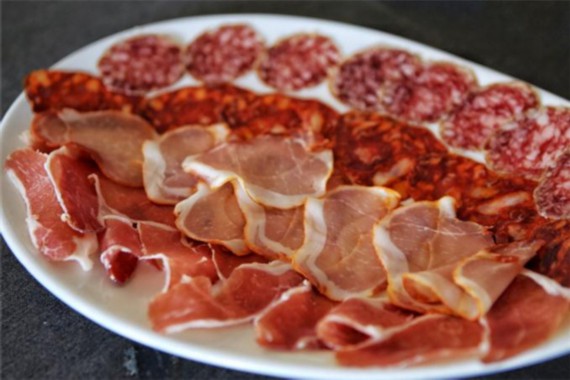
First, good legs come from good pigs. Spanish ham mainly comes in two types: Serrano ham and Ibérico ham. The former is made from white pigs, while the latter comes from the prized Iberian black-hoofed pig. Especially the top-grade “Acorn-fed Jamón Ibérico,” where the pigs roam freely in oak forests during their last months, feeding on acorns. This diet allows fat to permeate the muscles, creating the beautiful marbled patterns that are the essence of its flavor. Although we may not be able to afford the top-tier Spanish ham production process, it’s definitely worth understanding!
2. The Art of Time: The Four Stages of Ham Making
Once the pig leg is selected, it undergoes a long and meticulous process — a true magic of time.
1. Curing
Fresh pig legs are completely covered with coarse sea salt and buried in salt piles. This step dehydrates and preserves the meat. The duration depends on the leg’s weight, usually about one day per kilogram. This seemingly simple process requires precise control of salt moisture and temperature.
2. Washing and Resting
After curing, the excess salt is washed off with warm water, and the leg is hung to rest for one to two months. This stage allows the salt inside to slowly and evenly penetrate the muscles while the surface moisture evaporates, preparing the ham for the next drying step.
3. Drying and Aging
This is the longest and most critical phase in the Spanish ham production method. The ham is moved to a dedicated drying room where ventilation, temperature, and humidity are precisely controlled for several months or even years of natural air drying. During this time, the fat slowly melts and permeates the meat, while proteins and fats undergo complex chemical reactions, gradually developing unique aromas and flavors. The ham cellars shown above are quite spectacular!
4. Cellar Maturation
Finally, the ham is transferred to a temperature- and humidity-controlled underground cellar for final maturation. Much like aging fine wine, the ham completes its “refinement” here, becoming richer, more complex, and balanced in flavor. Experienced ham masters use a thin bone needle to pierce different parts of the ham and judge its perfect maturity by scent.
To help you distinguish between different grades of Jamón Ibérico, here’s a simple table:
| Grade Classification | Pig Breed | Feeding Method |
|---|
| Bellota 100% Ibérico | 100% purebred Iberian black pig | Acorns and natural pasture grazing |
| Bellota Ibérico | At least 50% Iberian bloodline | Acorns and natural pasture grazing |
| Cebo de Campo Ibérico | At least 50% Iberian bloodline | Pasture grazing + feed |
| Cebo Ibérico | At least 50% Iberian bloodline | Confined Grain and legume feed |
So, the Spanish ham production of a top-tier Spanish ham relies on quality raw materials, traditional craftsmanship, and most importantly — time and patience. It’s not just food; it’s a crystallization of Spanish culture and artisan spirit. I hope this article deepens your understanding of Spanish ham! Which type of ham do you usually prefer? Share your thoughts in the comments!
