When I first arrived in Spain, I always thought that Spanish ham was just the pre-sliced packs you find in supermarkets. It wasn’t until last weekend, when a friend took me to his village near Salamanca to witness a traditional Matanza in person, that I truly understood how much tradition, family, and terroir are embedded behind a premium Jamón Ibérico.
From November to February, when the weather turns cold and dry, the rural pig slaughter season brings the countryside to life. This is by no means a gory spectacle; instead, it feels more like a grand family festival. The entire family, even neighbors from the village, gather together to cooperate. The men take on the main physical tasks, while the women busy themselves processing the pork, making sausages, and curing the tenderloins. The air is filled not with tension but with the joy of harvest and the aroma of food, and of course a hint of alcohol.
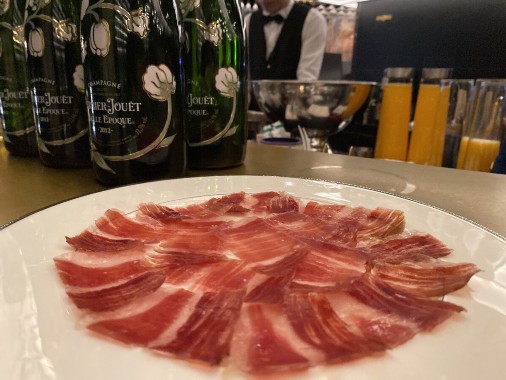
My friend’s family raises the most authentic Iberian black pigs, which roam freely year-round in oak forests, feeding on acorns—this is the foundation of the Spanish Ham Production Method that determines the ham’s distinctive flavor. After the pigs are slaughtered, the two most precious hind legs are carefully cut off to begin their long “ham journey.” The entire process is highly meticulous, with each step strictly following tradition.
The first step is shaping and chilling at low temperatures, followed by the crucial curing stage. Workers completely cover the entire ham leg with coarse sea salt aimed at dehydration and preservation. This process requires extremely precise temperature and timing control. I consulted my friend’s father, who summarized the method in a simple table:
| Stage | Main Task | Approximate Duration |
|---|
| Curing | Cover ham leg with sea salt, store cold | About 1 day per kg |
| Washing | Rinse salt off the ham leg with warm water | Several hours |
| Balancing | Store in a cold, humid environment for even salt penetration | 40-60 days |
After completing these Spanish Ham Production steps, the ham’s “refinement” truly begins. The hams are transferred to natural storage cellars for drying and aging. Over several years, the ham ferments relying solely on the unique local climate, with fat gradually infusing into muscle fibers, creating beautiful marbled patterns and an unparalleled aroma. Seeing rows of hams hanging from beams really makes you feel the magic of time. I wonder if any of you have had similar experiences or which region’s ham you like best?
